

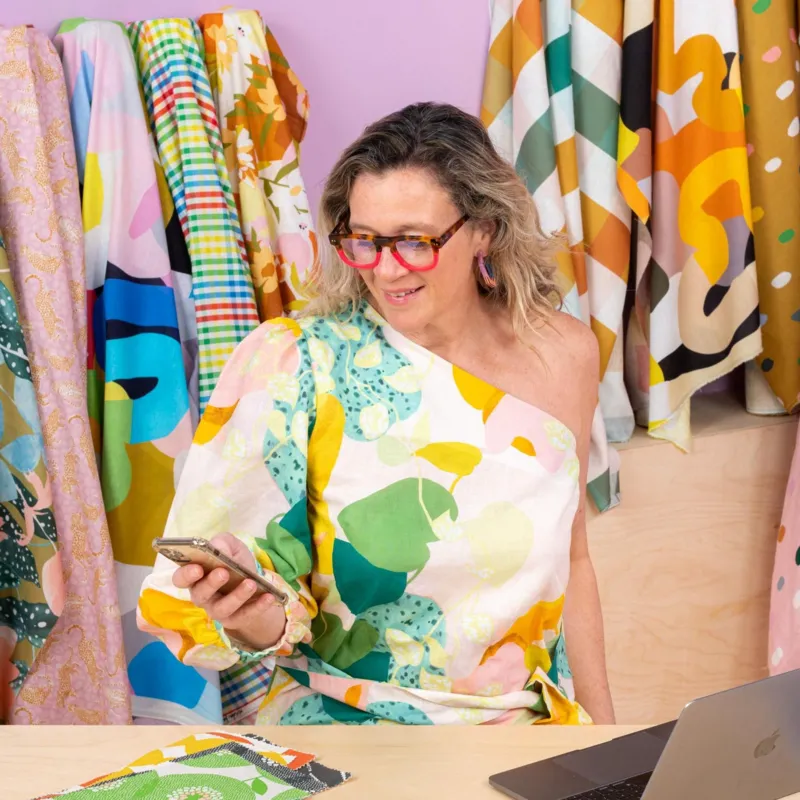

Australia’s Fabric Queen under scrutiny as orders go unsettled
Australian designer Nerida Hansen’s fabric business faced a wave of unpaid orders and refunds, prompting a public warning as customers and suppliers report delays, missing shipments, and growing losses.
A Melbourne-based fabric designer who once thrilled sewers worldwide now faces a public reckoning. Hundreds of customers report delayed or missing orders, and authorities have issued a consumer warning about her online platforms.
The rise and fame of the fabric brand
During the pandemic, Nerida Hansen built a fast-growing business by selling bold fabric prints that appealed to sewists seeking standout materials. Her designs appeared frequently on social media, earning her the nickname “fabric queen” within online communities. She operated under several names online, including Nerida Hansen Fabrics, Indigo Palm, and The Kind Merch Co.
The orders that never arrived
In late 2024, Maree O’Connor, a legal studies teacher from Melbourne, ordered fabrics totaling about £480 to create custom garments. When delivery did not occur for months, she started a Facebook group to check if others shared the experience. The group grew quickly, attracting hundreds of members within two weeks and revealing a broader pattern of delays and unanswered inquiries.
Other buyers reported waiting weeks, months, or even years for fabrics, while some suppliers said they were owed large sums of money.
Supplier and artist concerns
Suppliers in China reported unpaid shipments totaling around £41,600 in 2022. One supplier, William Shan, said he kept supplying materials hoping to help the business recover, but later resources for orders dried up. Several artists and designers said they had not been paid for work linked to Hansen’s brand, with some discovering their designs used without proper royalties.
Official warnings and responses
In September 2025, Victoria’s consumer rights agency issued a formal warning after more than 120 complaints and losses estimated at around £15,840. Hansen denied operating all of the listed brands and said she faced financial difficulties and mismanagement, yet claimed she was still trying to fulfill orders and refunds.
She accused the online group of harassment and said the posts damaged her livelihood, while others argued the group gave buyers a platform to seek accountability rather than attack individuals.
What happened next and expert views
Some artists and suppliers say the case demonstrates the risk of relying on a single designer for large online ventures. Others argue that intentions may have been good, but poor record-keeping and execution harmed both buyers and creators.
Expert commentary: Industry observers say this case highlights the importance of transparent refunds, clear delivery schedules, and independent oversight for online fabric retailers.
Conclusion and ongoing impact
While Maree O’Connor and many others pursue refunds, the sewing community remains wary about future fabric purchases from online shops. The episode also shows how social media groups can push for accountability in consumer markets.
Short summary: The story follows a once-celebrated fabric brand’s rise, the delay of numerous orders, and a public warning that underscores consumer protections in online shopping.
Key insight: Online fashion supply claims can unravel quickly when delivery promises collide with financial strain and poor record-keeping, underscoring the need for transparent refunds and trusted brands. BBC report