



Why Young Women Lean Left More Than Young Men
Recent polling reveals a growing political divide among British 16- to 29-year-olds, with young women increasingly supporting left-wing parties and young men drifting right. Experts cite education, social media, and shifting social attitudes as key factors.
A political schism is emerging among British youth: while young women are gravitating towards left-wing parties, their male peers are more likely to back conservative and reformist voices. Polling data suggests key differences in voting patterns and ideological alignments among 16- to 29-year-olds.
Polling Highlights the Gender Gap
In a 2025 Focaldata survey for the John Smith Centre, 20% of young women identified as left-wing, compared with 13% of young men. At the 2024 general election, YouGov found that among 18- to 24-year-olds, only 12% of women voted for Reform UK or the Conservatives, against 22% of men.
Labour remained the top choice for both genders, with 42% of women and 40% of men in that age group voting Labour. The Green Party secured 23% of the female vote, but only 12% among men. The Liberal Democrats drew 16% of young voters of both sexes, while Conservatives and Reform UK had stronger support among older generations.

Young Voters Share Their Views
Lucy Thomas, 19, from Glasgow, voted Labour but has since grown disillusioned. “I vote based on community interests and opportunities for young people,” she says. “Gaza is a big issue, and new parties attract more attention than Labour or the Tories.”
She notes a social media surge for Reform: “Young men are drawn to its online presence, but little is done to challenge it effectively.”
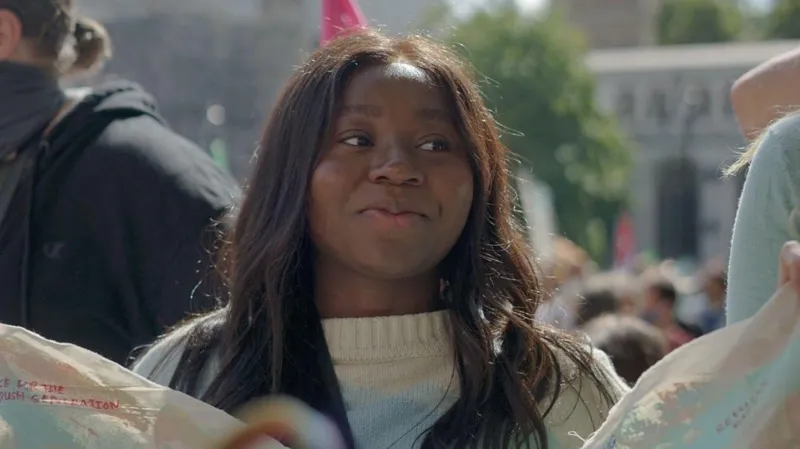
Daze Aghaji, a 25-year-old environmental activist, cast her vote for the Greens. “Women lean left because we see systemic issues affecting our freedoms,” she explains. “Many men hold onto traditional masculinity even as society changes.”

Joseph Boam, 22, a Reform UK councillor, insists the party is not just a “boys’ club.” “We have many female supporters, including my mother and grandmother,” he says. “Our social media strategy reaches local audiences directly with our achievements and our truth.”
Experts Explain the Divide
Dr Ceri Fowler of Oxford University notes that higher education, where progressive views prevail, is more common among women, while social media offers alternative political narratives to disengaged youth. Prof. Rosie Campbell of King’s College London adds that hostility to modern gender equality drives some men towards radical right parties that champion traditional roles.
Mark Brooks, policy director at the Centre for Policy Research on Men and Boys, warns against framing young men as a problem. “Both genders are drifting from the main parties,” he argues. “To engage young men, we need positive societal support, better job prospects and recognition of their concerns.”

Sign up for our Politics Essential newsletter to keep up with the inner workings of Westminster and beyond.
A growing number of studies highlight how education, social media and evolving social norms are driving young women towards progressive policies, while young men increasingly seek conservative and populist alternatives.
This topic was reported by BBC.
Explore useful articles in World News as of 23-08-2025. The article titled " Why Young Women Lean Left More Than Young Men " offers in-depth analysis and practical advice in the World News field. Each article is carefully crafted by experts to provide maximum value to readers.
The " Why Young Women Lean Left More Than Young Men " article expands your knowledge in World News, keeps you informed about the latest developments, and helps you make well-informed decisions. Each article is based on unique content, ensuring originality and quality.