

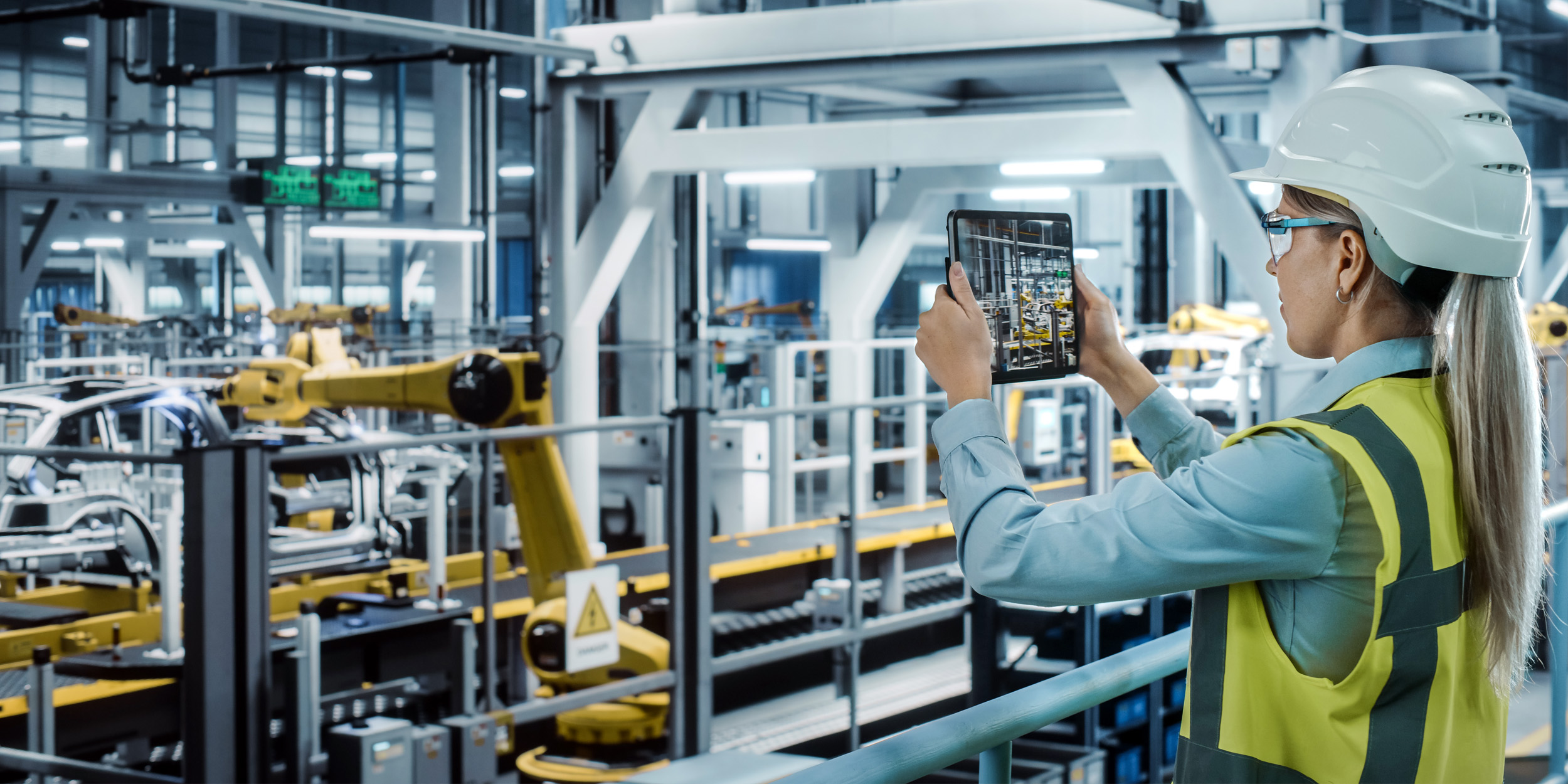

Robots on the Factory Floor: Working Side by Side with People
Explore how automated systems support workers across automotive, food, pharma, and logistics, reshaping roles and boosting safety, efficiency, and capacity.
Across many industries, automated systems now share work with people. Robots take on repetitive and dangerous tasks, while humans focus on planning, problem-solving, and quality control. This shift creates new career paths and higher skill requirements.
How robotics reshapes work in manufacturing
Robots do not replace workers; they handle routine tasks, enabling teams to focus on higher-value activities. As a result, many jobs evolve rather than disappear. For example, heavy-lifting roles can transition to operators of automated lines, while skilled welders move into configuring and tuning robotic cells.
New roles are emerging: techs specializing in robotics, automation engineers, and software programmers who oversee and optimize robots. These professionals manage line performance, analyze production data, and reconfigure systems for different products. Operators in robotic cells may supervise several machines and update control programs when product types change.
With robots handling repetitive tasks, production becomes more stable and faster. This improves efficiency, reduces costs, and helps companies stay competitive, even during peak demand.
Industries where industrial robots are today
Automotive manufacturing
The automotive sector leads in robot deployment. In large plants, robots take on heavy assembly tasks, perform hundreds of welds per unit, and maintain precision with minimal variation. Different robot systems are used: welding robots can perform spot, arc, and MIG welding; manipulators apply glue and sealants during glazing and body assembly; transport robots move large parts between stations; and painting cells apply coatings.
Workers focus on quality checks and equipment maintenance. Welders can retrain to operate robotic cells, adjust trajectories, and troubleshoot. Assemblers may shift to quality control roles or become operators of automated lines.
Food production
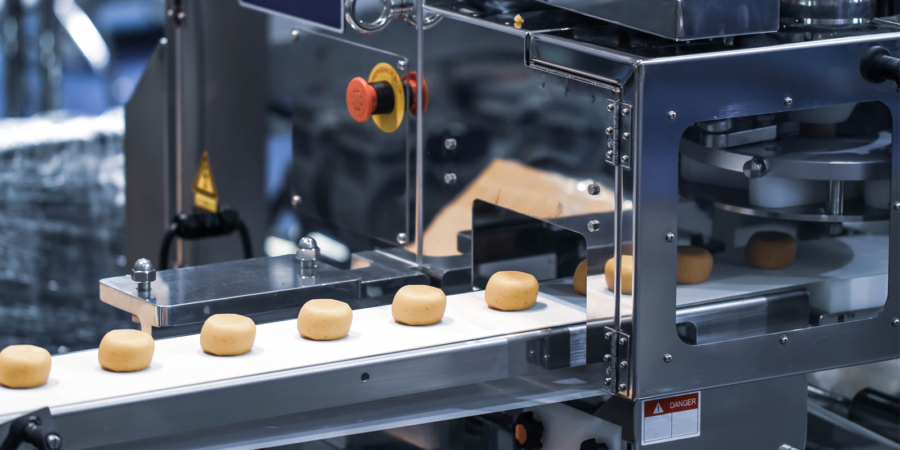
In food facilities, speed and accuracy are essential. Robots handle routine tasks such as packing boxes and pallets, dosing products to the gram, and performing weight checks to catch under- or over-filled items. Some robots operate in refrigerated areas, where it is difficult for people to stay for long periods. This reduces worker fatigue and helps plants run reliably during busy seasons.
People on the line shift toward maintenance and setup: adjusting parameters for different products, monitoring robot performance, and addressing issues promptly.
Pharmaceutical manufacturing
Drug production requires sterility, precision, and stable processes. Robotic arms measure ingredients, sort, package, label, and inspect medicines, while dramatically lowering the risk of human error.
Operators work with automation panels, supervise robot groups, analyze data, and perform regular equipment checks. There is growing demand for automation technicians in pharma and for quality engineers who understand robot-driven production lines.
Logistics and warehouses
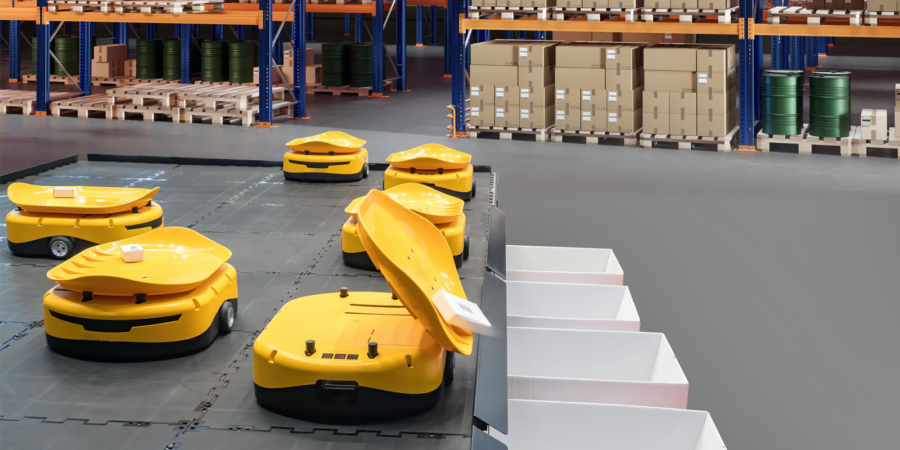
Large distribution centers use robots to speed up picking, sorting, and moving goods. Different automation systems are common: autonomous mobile robots (AMRs) navigate warehouses to deliver boxes and pallets; automated sorting lines direct parcels to destinations; weight and integrity checks screen out damaged items; and robotic arms load products onto transport modes. This reduces worker workload, lowers error rates, and helps firms manage peak seasons like major sales events.
Pickers and packers now oversee robot activity, manage routes, service charging stations, and work with warehouse management software.
Key insight: When robots handle repetitive tasks, human workers can focus on problem-solving and innovation, driving growth and safety across industries.