


Mineral Deodorants: Do They Really Stop Sweat Odor?
Learn what mineral deodorants are, ingredients like alum crystals, how they work, risks, and whether they control underarm odor without stopping sweat.
Mineral deodorants are often marketed as a natural option for underarm odor. They typically rely on a mineral crystal and are not designed to block your sweat glands. This guide explains what they are, what they contain, and what science says about their effectiveness.
What is a mineral deodorant?
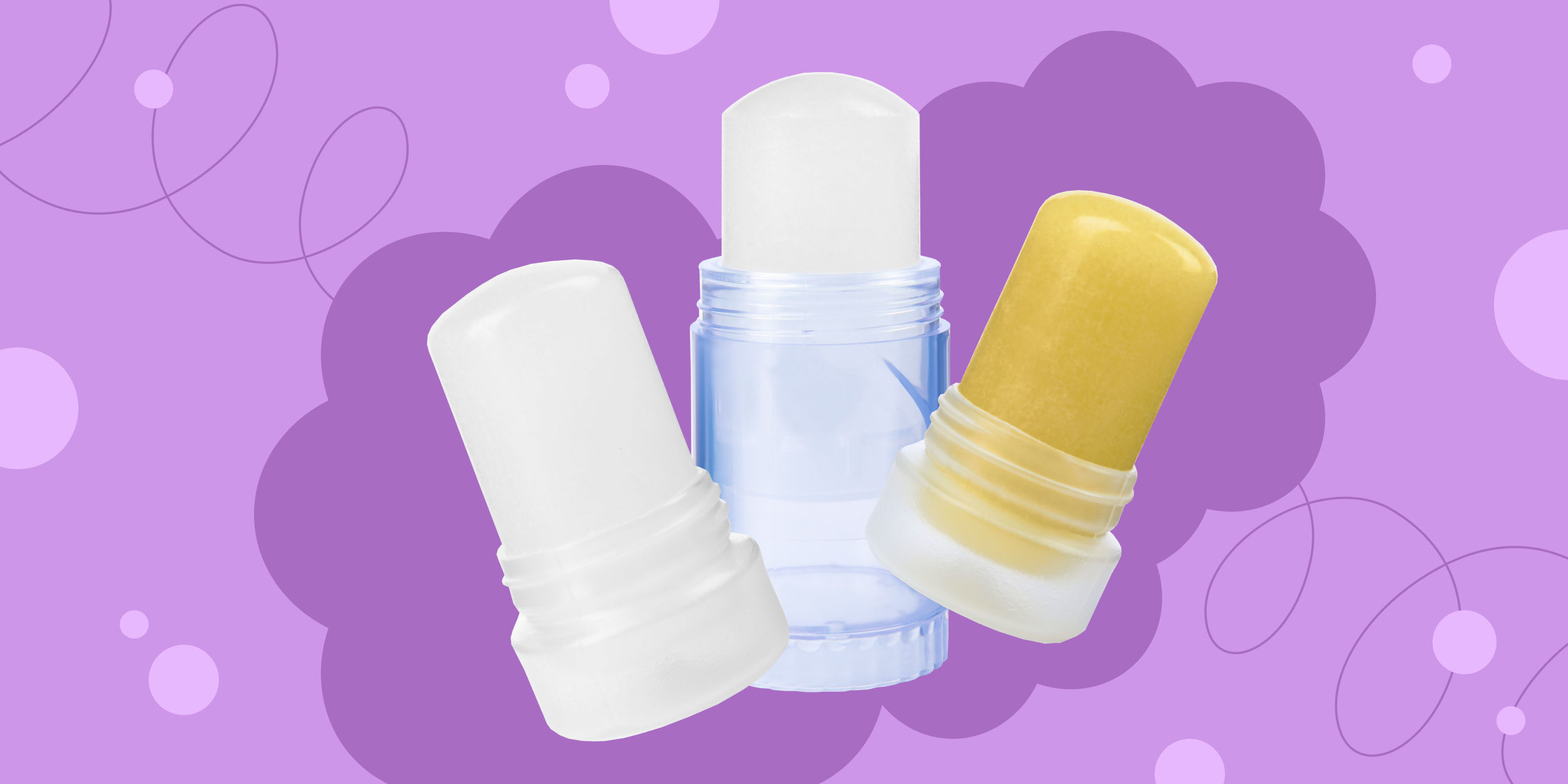
A mineral deodorant is usually a solid stick formed by a pale, cloudy crystal attached to a plastic base. A typical 45–60 ml (1.5–2 oz) stick costs roughly $3–$6 and lasts for several months to a year depending on use. It is promoted as a gentle, skin-friendly product that aims to reduce odor rather than stop sweating.
What it's made of
The main ingredient in most mineral deodorants is alum crystals—chemically called aluminum potassium sulfate or aluminum ammonium sulfate. These are salts derived from aluminum and sulfur, with a cloudy white appearance, often dissolved in water for application. Some products also include stabilizers, preservatives, fragrances, vitamins, amino acids, and plant extracts. A few brands claim the crystals come from natural minerals, while others note synthetic routes or even recycling metals.
How it works
Manufacturers say these alum-based crystals kill the bacteria that cause underarm odor. That means you still sweat, but odor is reduced. Scientific evidence is limited and not conclusive. Some small studies from India, Iraq, and elsewhere report antibacterial effects in test settings, but these studies are not robust enough to establish real-world effectiveness. In addition, antiperspirants use aluminum chloride to block sweat glands; mineral crystals likely have a different, weaker action.
Can mineral deodorants cause harm?
There is no clear consensus in science about a direct cancer risk from aluminum in deodorants. Some researchers worry about aluminum absorption, but major health agencies have not confirmed a causal link between everyday use of deodorants and breast cancer. If a product contains additional fragrances or chemicals like parabens, lanolin, or essential oils, it may irritate sensitive skin or provoke dermatitis. If you have sensitive or reactive skin, perform a patch test before regular use.
Should you try one?
If you want a fragrance-free option or have irritation from traditional deodorants, a mineral deodorant could be worth a try. There are no guarantees of odor control, but when used as directed on clean, dry skin, it is unlikely to cause harm. For best results, wet the crystal slightly before applying so it adheres to the skin.
Expert comment
Dermatologist statement: While evidence is limited, many people tolerate mineral sticks well, especially when they avoid added fragrances. Patch testing is advised for sensitive skin.
Short summary
Key points: Mineral deodorants use alum crystals to fight odor, not to stop sweating. Their effectiveness is variable and not strongly supported by large studies. They are generally gentle on the skin, but may irritate if fragrances or other additives are present. If you seek a simple, fragrance-free option, they can be a viable choice.
Key takeaway: Mineral deodorants may reduce odor by reducing bacteria, but they do not reliably prevent sweating; choose simple, fragrance-free formulas if you have sensitive skin.