


How to Choose a Pillow for Comfortable, Restful Sleep
Learn simple steps to pick the right pillow size, shape, filling, and firmness for your sleep style to improve neck support and morning comfort.
Choosing the right pillow can dramatically improve sleep quality and morning comfort. This guide helps English learners pick the right size, shape, height, and filling based on your sleep style.
Size and shape: finding the right fit
Pillows vary in width, typically from 20 to 50 centimeters, and length from 30 to 80 centimeters. People with broad shoulders may prefer larger options such as 50 × 70 cm or 50 × 80 cm. For average builds, pillows around 40 × 60 cm or 40 × 65 cm usually work well. For children, smaller sizes like 20 × 30 cm or 40 × 50 cm can be comfortable. These are general guidelines; the best size depends on personal feel and comfort.
When it comes to shape, choose based on your usual sleeping position. Listen to your body and pick a model that feels comfortable. Pillow shapes can be grouped into three main types.



- Classic pillows usually come in a square 70 × 70 cm or a rectangle 50 × 70 cm. They fit most people and work with nearly any sleeping position. For side sleepers, the head should rest fully on the pillow with the shoulder nearby. When lying on your back, place the head in the center and let the pillow edges touch the shoulders. For stomach sleeping, place a thin extra pillow under the head to keep the spine in a healthy position.
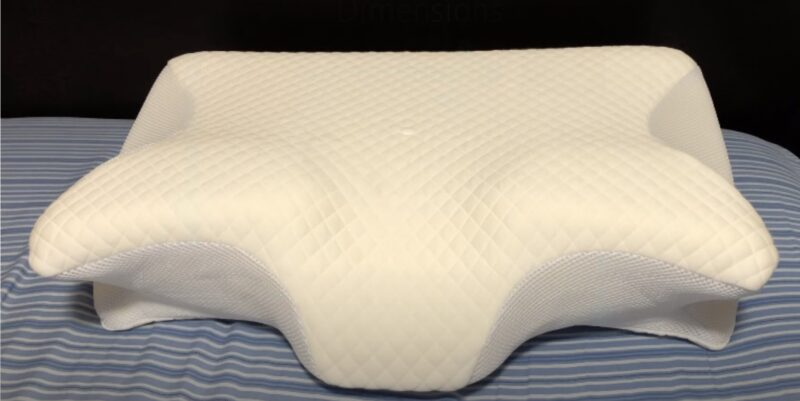
- Anatomical pillows vary in shape. Pillows with shoulder notches help align the neck for side sleeping. Pillows with two different-height rollers can support both side and back sleeping. Depending on the position, you can flip to the more comfortable side.
- Roll pillows are useful for back sleepers. They provide neck and head support in this position, but they may be less comfortable in other positions.
What to buy
- Pillow 40 × 60 cm from Espera, $15
- Anatomical pillow 42 × 64 cm from Askona, $67
- Pillow 70 × 70 cm from Monari, $14
- Orthopedic pillow 50 × 70 cm from Belpol, $17
- Memory foam pillow 30 × 50 cm from MemorySleep, $12–$13
- Roll pillow 50 × 20 cm from Eco Line, $13
Choosing firmness and height
Your sleeping position greatly influences firmness and height. If you are unsure of your position, spend a few nights testing.
When you feel you are falling asleep, lie on your back for a few minutes, then on your side and then on your stomach. Note which position feels most comfortable and which position you wake up in. Keep a short diary of observations to stay organized.
- If you mostly sleep on your back, choose a pillow of medium height (about 8–10 cm), medium firmness, and perhaps a shallow head contour.
- For side sleepers, select a high and firm pillow to fill the space between the shoulder and ear and to support the neck. The height should match the width of your shoulder.
- For stomach sleepers, a soft, thin pillow (about 6–8 cm) is best.
- If you rotate between positions, opt for a pillow of medium height that can be adjusted or a model with two rollers of different heights for flexibility.
Also consider the filling—the firmness partly depends on it. The softest options include down, synthetic fibers, bamboo, cotton, microfiber, and silicone. Wool, silk, and memory foam offer medium firmness. The firmest choices are feather fills and synthetic fiber cores.
Filling options
- Orthopedic pillow with medium firmness and a 14 cm height from Darwin, $27
- Orthopedic pillow with medium firmness and a 10 cm height from Darwin, $21
- Medium-firm pillow with a 16 cm height from Medsleep, $11
- Orthopedic pillow with two rollers, heights 10 and 12 cm from Luomma, $46
- Anatomical pillow with above-average firmness and 13 cm height from Darwin, $42
Choosing the filling
Manufacturers use their own names and combine various materials to create different pillow cores with varying internal structures.
Natural fillings
Natural fillings offer good breathability and comfort but may not suit allergy sufferers.
- Down and feather pillows are classic. They can use goose, duck, chicken, or swan feathers in combinations or alone. They vary in firmness and weight and wick moisture while providing warmth. They can trap dust mites and are hard to wash at home.
- Sheep wool and camel wool pillows are soft and warm. They wick moisture and insulate. They last about five years, but filling tends to clump and they require cleaning by dry cleaners; not ideal for allergy sufferers.
- Bamboo fillings are generally safe for most users. They resist clumping, machine wash well, and dry fast. They are lightweight and resist odors.
- Cotton fillings are soft and affordable but tend to lose loft and flatten within about two years; they are hard to wash and may clump.
- Silk fillings are durable and hypoallergenic but costly. They keep shape well and offer a balanced feel.
- Natural latex supports orthopedic traits, returns to shape, resists dust and moisture, and can last at least ten years with proper care.
What to buy
- Pillow with down and feather filling from Arya, $45
- Pillow with sheep wool filling from Unison, $9
- Pillow with camel wool filling from Selena, $10
- Pillow with bamboo filling from Art Design, $12
- Pillow with natural silk filling from Meizhouling, $15
- Pillow with natural latex filling from Lien’A, $41
Synthetic fillings
Synthetic fillings are usually cheaper and often hypoallergenic and easy to care for.
- Microfiber imitates down; lightweight, fluffy, and resistant to odors. With proper care, lasts at least five years, but can attract static electricity.
- Silicone-filled cores (also sold as polyester, hollofiber, or hollowfiber) provide buoyancy. They are lightweight, hypoallergenic, and breathable but may be too soft for some back or neck issues.
- Polyester fiber cores offer high firmness. Easy to wash and good for allergy or asthma sufferers.
- Synthetic fill often used in inexpensive pillows; easy to wash but may lose shape over time.
- Memory foam adds orthopedic support. It conforms to body shape with heat and pressure, then returns to shape. These pillows last about five years and cost more than other synthetics.
What to buy
- Microfiber pillow from Classic by T, $11
- Silicone-filled pillow from Belpol, $28
- Polyester-fiber pillow from Belashoff, $23
- Memory foam anatomical pillow from Ambesonne, $21
Other considerations when choosing a pillow
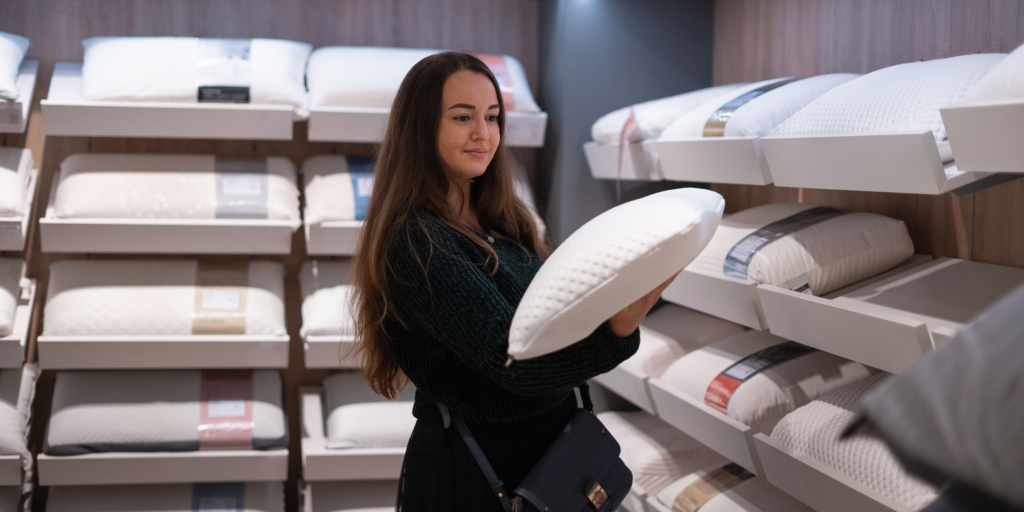
- Describe your needs to a salesperson, including firmness, materials, and budget. Mention any sleep problems you have.
- Ask questions to understand how the pillow and filling work, especially breathability and moisture control.
- Soft fillings include down, faux down, bamboo, microfiber, silicone, and cotton. Medium firmness options include wool, memory foam, and gel. The firmest options are latex, silk, and polyester fiber.
- If you sweat during sleep, pick breathable materials such as bamboo, silk, down, microfiber, silicone, or latex.
- Care needs vary: down, feather, and wool pillows often require dry cleaning, while bamboo, silk, and synthetic pillows can be machine washed. A washable cover helps for latex or memory foam pillows.
- Less durable options include cotton, synthetic down, and bamboo. Latex and silk models tend to last longer with proper care.
- People with allergies or asthma may benefit from bamboo, silk, or synthetic fillings.
- Try lying on the pillows you are considering and note how you feel. The right height and shape should feel relaxing with no pinching or tension. Mattress firmness also matters; a softer mattress may require a taller pillow.
Expert comment: Sleep specialist Dr. Emma Reed notes that the correct pillow height and firmness align the neck with the spine, improving sleep quality. She adds that many people underestimate how much pillow choice influences morning stiffness.
Short summary
To choose the right pillow, start with size and shape based on your shoulder width and sleeping position. Next, pick firmness and height that keep your neck in a neutral position. Finally, select a filling that suits your health needs and care preferences, and test pillows in real sleep conditions to confirm comfort.
Key insight: The best pillow keeps the neck aligned with the spine in your preferred sleep position, boosting comfort and reducing morning stiffness.