



Discover the Island Life: How to Embrace Living on a Tropical Paradise
Explore the inspiring journey of relocating to a tropical island, organizing your life, and building a business while enjoying the unique island lifestyle.
Booking a one-way ticket to an island and starting a new life? It’s easier than you might think, and there are real-life stories to prove it.
Previously, Katya shared her experiences living in Bangkok and compared the benefits of mainland Thailand versus island life. To balance the perspective, we spoke with Arthur, an islander who chose the stunning island of Koh Samui as his home.
Arthur opened up about island living, sharing key organizational tips and his personal story of buying a one-way ticket, packing up, and moving to Koh Samui in search of himself. He successfully settled in and launched his own business on the island.

According to my smartphone’s counter, I’ve been living on the island for nearly 199 days — that’s six and a half months. During my first month, I took it easy, treating myself to an extended vacation. I explored the island thoroughly, met locals, and even hosted a New Year’s party at a rented mini-hotel on a mountainside, complete with real fireworks. That’s when I realized hotel business was my calling. Later, I found an abandoned building, renovated it with the Thai owner, and opened a guesthouse.
Currently, I’m working on a new project called “My Retreat. My Rules.” I noticed many people visit the island to reset their lives and minds. While there are retreat centers here, mine stands out by being free of religious undertones and self-punishment.

On my days off, I organize plein air painting sessions or head to the beach with my telescope. On clear days, you can observe sunspots, and at night, everyone marvels at Saturn, Mars, and Jupiter.

Why Choose Island Life?
My answer won’t be the usual "because the weather is amazing, the people are friendly, and the food is delicious." I had no extensive travel experience abroad—Turkey and Egypt don’t count. I learned about Koh Samui just four days before buying my ticket. It was important for me that it be an island, and one not spoiled by urban development.
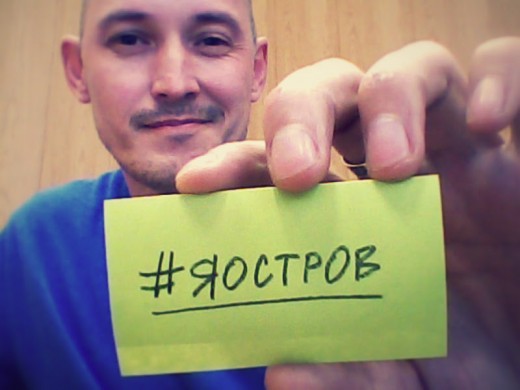
Back in Moscow, I conceived the idea #iamanIsland as a metaphor and literally embracing oneself as a whole, self-sufficient individual. It became my formula for happiness. I discarded all unnecessary possessions, packed just the essentials, and arrived on the island with 60 kilograms of luggage.
Overcoming Language Barriers
Of course, knowing English helps communicate with locals, but keep in mind that local English, often called “Tinglish,” is quite unique. Speaking pure English might confuse people. However, language skills or their absence aren’t barriers. For example, I speak little Russian and no English, but I always carry a notebook and pencil to communicate through drawings and arrows. I know a few English phrases, but instead of saying “thank you,” it’s better to say “kapkhun krap” — it brings wider smiles.
Recently, I decided to improve my conversational English and enrolled in a travel-focused English course at idontspeakenglish.ru. There’s a special charm in pronouncing numbers in Thai and writing their transcription on your fingers to remember them.
Cost of Living on Koh Samui
Costs vary depending on individual needs and budget. Island life is generally a bit pricier than mainland living. Here’s a breakdown.
Accommodation

Most housing is rented. If you’re interested in buying property, know that unless you’re Thai or American, purchasing real estate requires using proxy companies. For temporary stays, renting is the way to go. Room rentals in guesthouses start at $90 per month, villas can go up to $8,400 monthly. I rent a two-bedroom (three-room) house for about $510 per month, usually including water and internet. Electricity is billed separately at roughly $0.20 per kWh. Drinking water is purchased separately, either delivered or collected from water stations for about $0.03 per liter.

Finding Accommodation
If you know the island well and can communicate with locals (and have transportation), you can find housing on your own. Initially, booking a hotel or staying a few days at my guesthouse is advisable. This way, you can rent a home directly without intermediaries.
Tourist companies offer realtor services, often at significant commissions hidden in rental prices. Understand that most homes belong to Thai owners, not tourist-oriented businesses.
Budget housing, such as regular houses, is commonly found on the island’s west side, though average prices don’t vary dramatically across areas.
Food
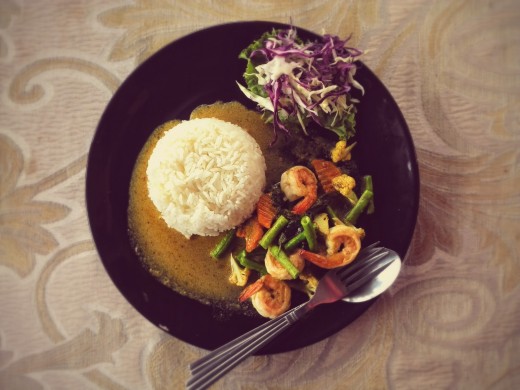
At first, you want to try everything except what once crawled. Over time, your diet narrows to simple dishes. Chicken and rice soup costs about $1.20, fish barbecue up to $8, often served with a bowl of salad. Eventually, you realize cooking yourself is economical and satisfying. Regardless of your budget, locals are thrifty with bahts, saving on small expenses. When rice becomes monotonous, you start craving fried potatoes, pancakes, and dumplings.
Transportation
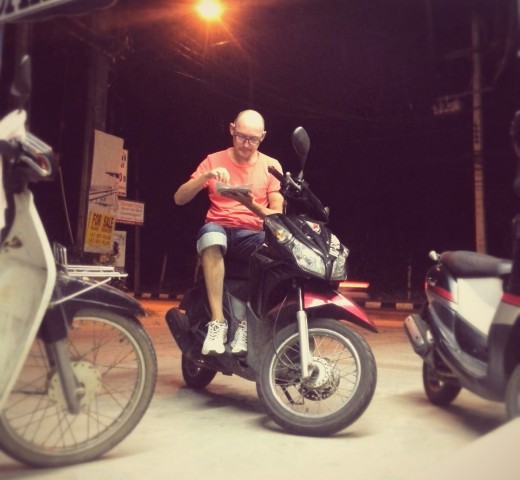
Public transport options are limited and costly, whether taxis or songthaews (often mistaken for tuk-tuks). If you’re not sun-kissed, expect to pay more. Taxi drivers are a unique breed everywhere. The best way to get around is by motorbike or car. Bicycles are exhausting given the terrain. Motorbikes rent from $5 per day or $80 monthly, cars from $30 daily or $400 monthly. Motorbikes are the most popular choice. Fuel is slightly more expensive than on the mainland; 91-octane gasoline costs about $1.20 per liter.
Internet
Despite rumors, internet on Koh Samui exists but isn’t very fast. Download speeds of 10 Mbps are considered good. Wi-Fi routers are available even in remote guesthouses. Mobile internet is affordable; my 3 GB plan costs about $12.
Mobile Calls
Local calls cost roughly $0.03 per minute. To call the U.S. or other countries, specific dialing prefixes reduce rates. For example, with the DTAC operator, dial 004 before the number. I use DTAC and pay about $0.12 per minute for international calls.
Where to Live on the Island
My advice: avoid Chaweng due to noise from nightclubs and traffic. The western edge is less convenient unless you prefer solitude. I chose a quiet neighborhood between Lamai and Hua Thanon, near the jungle’s edge — not too close, not too far from the center.
Overall, there are no bad areas. For swimmable beaches, head to the northern and eastern shores: Maenam, Chaweng, and Lamai. The eastern coast mostly has shallow waters.
Visa Information
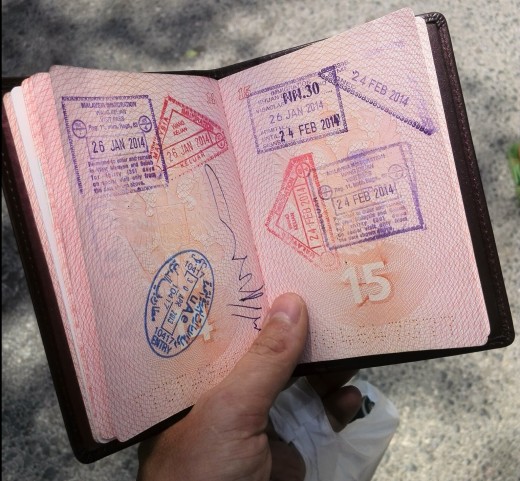
This topic has become complicated recently due to unclear rules on border runs. Every traveler from many countries can stay visa-free for 30 days in Thailand. Previously, some extended their stay by crossing the border monthly, but authorities have tightened regulations.
To stay longer than a month, it’s advisable to obtain a tourist visa in advance. I opted for a year-long education visa. The process is straightforward: enroll in a language school, submit documents (passport suffices), pay tuition, and apply at the nearest Thai embassy — in my case, on Penang Island, Malaysia.
Best Time to Visit

Many believe the best time to visit Koh Samui is the high season before New Year’s. If you enjoy crowds and higher prices, that’s for you. Personally, I prefer the dry season from February to May with consistent sunny weather. Travelers often make the mistake of coming during the heavy rainy period at year-end.
Driving License
I admit I ride a motorbike without a license, having learned here. Bikes here are scooters, not Harleys. Renting a car requires a valid license. Remember, traffic drives on the left, and speed limits are low — 40 km/h is enough since everything is nearby.
Health Insurance
Even if you don’t ride a motorbike, accidents can happen. Medical care on Koh Samui is expensive. For example, I slipped on a wet tile at home and my treatment cost about $480 with insurance. Insurance won’t prevent accidents but can solve many problems. Last year, I fell from a bike; my cheapest insurance didn’t cover bike accidents. It was cheaper to return to my home country for treatment than to use local hospitals.
Social Circle
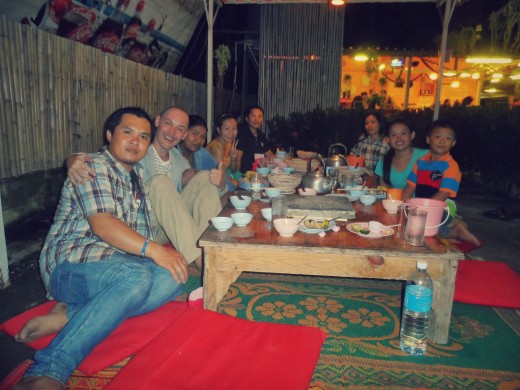
I was fortunate to meet a warm Thai family who welcomed me. I noticed a Thai Bible in their café, which sparked a connection as I am a Christian. They became like a new family to me.
Fellow countrymen abroad can be complicated. On the island, two main groups exist, divided not by territory but by affiliations with two tourist companies on social media. Joining one group often means exclusion from the other. I prefer to stay neutral.
Pros and Cons
For me, the biggest advantage of Koh Samui is the vibe of a large district center surrounded by small settlements. Coming from a big city, I lovingly call Samui my village.
Cons? Tourists sometimes forget they’re in a foreign country that warmly welcomes everyone and offers wonderful nature and climate. Respect is essential.
The island has no strictly clean or dirty zones — unfortunately, litter is everywhere. Though teams clean roads and beaches nightly, cleanliness depends on people not littering.
We hope Arthur’s example and advice inspire those considering island life and encourage bold life decisions.
Discover engaging topics and analytical content in Travel & Leisure as of 29-05-2021. The article titled " Discover the Island Life: How to Embrace Living on a Tropical Paradise " provides new insights and practical guidance in the Travel & Leisure field. Each topic is meticulously analyzed to deliver actionable information to readers.
The topic " Discover the Island Life: How to Embrace Living on a Tropical Paradise " helps you make smarter decisions within the Travel & Leisure category. All topics on our website are unique and offer valuable content for our audience.