


WHO warns of obesity drug shortage, urging wider access
The World Health Organization says access to GLP-1 obesity medicines is too limited and calls for broader, fairer access to curb the obesity epidemic.
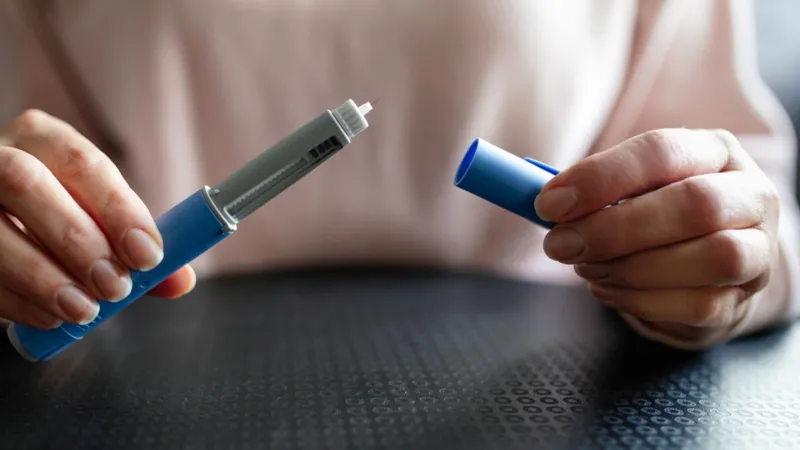
The World Health Organization warns that access to obesity medicines, commonly known as GLP-1 therapies or the so-called "skinny jabs" (obesity injections), remains far more limited than needed. With obesity rising globally, the agency is urging governments and industry to expand and equalize access while tackling price and supply bottlenecks.
Projections show more than two billion people could be classified as obese by 2030 unless decisive action is taken, underscoring the urgency of making these drugs affordable and scalable. The main hurdles include high costs, limited production capacity, and fragile supply chains that impede universal availability of injections that can drive meaningful weight loss.
The WHO has added GLP-1 treatments to its Essential Medicines List, encouraging countries to provide them to eligible patients, including those who are overweight with diabetes. WHO Director-General Tedros Adhanom Ghebreyesus emphasised that obesity is a chronic disease that can be managed with ongoing care. "While medication alone won’t solve this global health crisis, GLP-1 therapies can help millions reduce obesity and its related harms."
The agency notes that these drugs mark a turning point in how society views obesity—from a lifestyle issue to a complex, preventable, chronic disease that can be treated long-term when combined with nutrition and physical activity guidance.
Access must be equitable, according to WHO, with long-term use possible for six months or more when accompanied by professional dietary and exercise advice to maintain weight loss.
Yet access remains a global concern, and Tedros warned that equity is the greatest challenge we face.
Skinny jab shortage
Even under optimistic supply projections, GLP-1 therapies could meet the needs of around 100 million people—less than 10% of those who could benefit, the WHO says.
The guidance calls for expanding access through measures such as voluntary licensing, where a patent owner allows other manufacturers to produce affordable, generic versions of the drug.
A patent on semaglutide — the key component in Novo Nordisk’s Wegovy — is due to expire in several countries in 2026, which could enable cheaper generics in places like India, Canada, China, Brazil and Turkey.
Beyond licensing, the WHO urges countries to create healthier environments that help prevent obesity in the first place.
How obesity jabs work
GLP-1 drugs mimic a natural hormone to slow digestion, reduce appetite, and increase feelings of fullness, which helps people eat less.
In the United Kingdom, these injections are prescription-only medicines and can be prescribed by a healthcare professional for those who medically need them. Some are funded by the National Health Service (NHS), but many are sold privately. There is a risk of buying from unregulated sellers online or through beauty clinics, so buyers should avoid the black market.
Weight loss usually begins within a few weeks of starting weekly injections. However, research suggests most weight may return within about a year after stopping treatment as cravings reappear. Obesity raises the risk of diabetes, heart disease, stroke, and some cancers, and it contributed to about 3.7 million deaths worldwide in 2024, according to the WHO.
Expert comment
Expert comment: Dr. Lena Carter, obesity researcher at the Global Health Institute, says expanding access quickly is crucial to avoid widening health inequalities. She adds that the drugs are not a magic fix, but they can support sustained weight management when paired with healthy eating and regular activity.
Short summary
The WHO highlights that access to GLP-1 obesity medicines is far from universal, hindered by cost, production capacity, and supply chains. Expanding licensing and affordability could unlock cheaper generics and improve equity, supporting long-term weight management as part of comprehensive care.
Key takeaway: Global access to GLP-1 obesity therapies remains limited, underscoring the need for wider licensing, affordability, and supportive policies to reduce obesity’s growing burden. Source: BBC News