

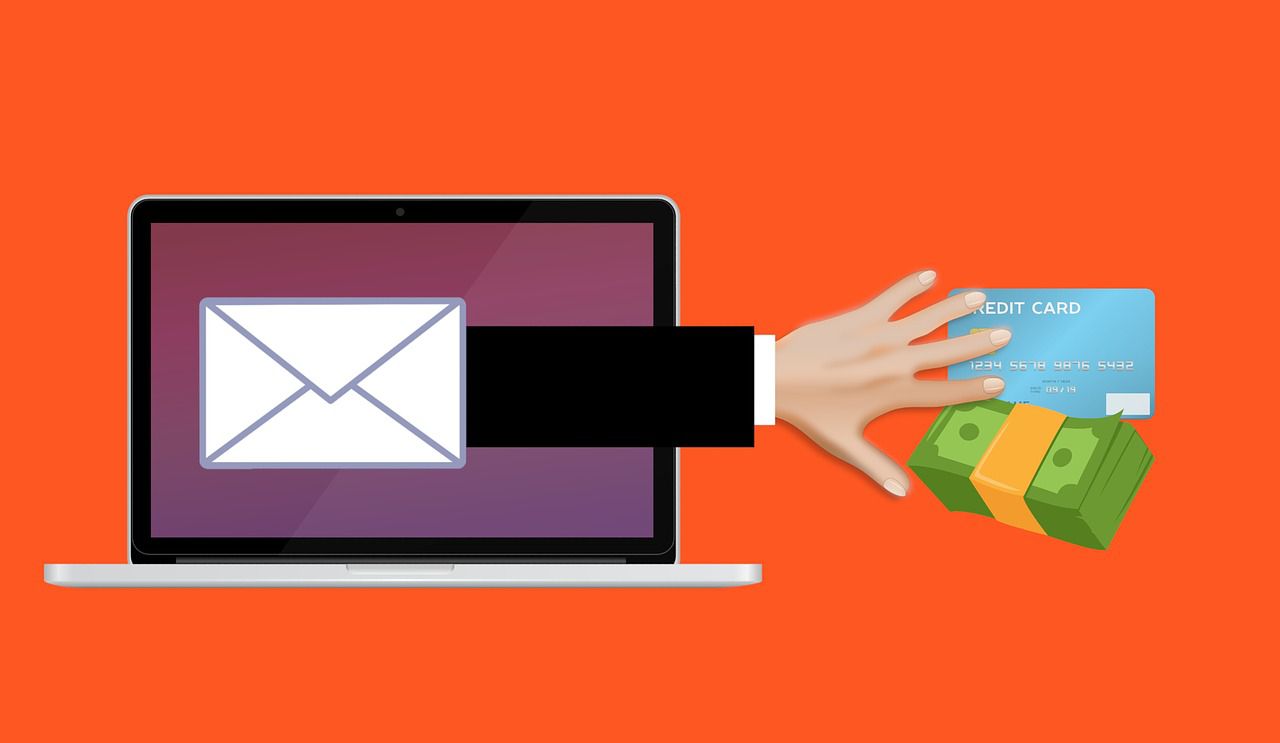

Unmasking the Nigerian Letter Scam: How to Protect Yourself from Modern Financial Frauds
Explore the details of the Nigerian letter scam, also known as 419 fraud, and learn effective strategies to recognize and avoid falling victim to this widespread financial deception.
Understanding the Nigerian Letter Scam
The Nigerian letter scam, commonly referred to as advance fee fraud or 419 fraud, is a deceptive scheme where scammers pose as government officials, military personnel, or business executives seeking assistance to transfer large sums of money out of Nigeria. Typically communicated via email, these fraudsters promise recipients a hefty commission in exchange for their help, often requesting upfront payments to cover fictitious fees like taxes or legal costs.
Key Insights
- This scam involves enticing victims with promises of substantial commissions for facilitating money transfers.
- The fraudsters fabricate stories ranging from frozen government accounts to unclaimed inheritances to lure targets.
- Known as 419 fraud, the scam derives its name from the Nigerian Criminal Code section that outlaws it.
- Despite its Nigerian origin, such scams are perpetrated globally using various communication channels.
How the Scam Operates
Originating primarily in Nigeria during the 1970s and gaining notoriety in the 1990s, this scam has roots in older confidence tricks like the Spanish Prisoner scam. Modern scammers exploit email and other digital means to reach victims worldwide, promising large financial rewards for minimal effort.
Warning Signs to Watch For
Be cautious if you receive unsolicited messages mentioning foreign currency accounts, urgent requests for personal banking information, or offers that seem too lucrative to be true. Common red flags include poor grammar, spelling mistakes, and unusual phrasing.
What Scammers Aim to Achieve
The perpetrators seek to convince victims to send money upfront, often citing urgent situations like government seizures or political unrest. Once they obtain initial payments, they may invent additional complications to extract more funds before disappearing.
Effective Tips to Avoid Falling Victim
- Never respond to unsolicited emails asking for personal or financial details.
- Report suspicious communications to authorities such as the U.S. Secret Service or FBI.
- Maintain skepticism towards promises of easy money and unsolicited offers.
- Protect your banking information vigilantly and educate those around you about such scams.
Additional Related Scams
Romance Scams: Criminals create fake online personas to build trust and ultimately solicit money under false pretenses. Notably, Nigeria ranks as a leading source of such scams globally.
Advance Fee Scams: Victims pay upfront fees expecting valuable returns that never materialize, a category under which the Nigerian letter scam falls.
Global Reach of Nigerian Letter Scams
While associated with Nigeria, investigations reveal that a significant portion of these fraudsters operate from countries like the United States, highlighting the scam's international dimension.
Reporting and Support
If you suspect you have been targeted, promptly report the incident to the U.S. Secret Service Criminal Investigative Division or the FBI. Forward suspicious emails to spam@uce.gov to aid federal efforts in combating these scams.
For more comprehensive information and updates, visit the FBI's official website dedicated to fraud prevention and awareness.
Explore useful articles in Laws & Regulations as of 30-04-2022. The article titled " Unmasking the Nigerian Letter Scam: How to Protect Yourself from Modern Financial Frauds " offers in-depth analysis and practical advice in the Laws & Regulations field. Each article is carefully crafted by experts to provide maximum value to readers.
The " Unmasking the Nigerian Letter Scam: How to Protect Yourself from Modern Financial Frauds " article expands your knowledge in Laws & Regulations, keeps you informed about the latest developments, and helps you make well-informed decisions. Each article is based on unique content, ensuring originality and quality.