


Unlocking the Secrets of Heart Rate Variability: What Your HRV Reveals About Your Health
Discover how heart rate variability (HRV) offers unique insights into your health and fitness. Learn how to measure it, what influences it, and how to improve your HRV naturally.
Heart Rate Variability (HRV) is an innovative health metric that tracks the subtle differences in the timing between your heartbeats. Unlike your heart rate, which counts the beats per minute, HRV measures the variation in intervals between each beat, offering a deeper look into your body's autonomic nervous system.
For example, even if your heart beats 60 times per minute, the time between each beat isn’t always exactly one second; some beats occur slightly earlier or later. This variability is a sign of your heart's adaptability and resilience.
Controlled by your autonomic nervous system, HRV is influenced by factors such as stress, sleep quality, physical activity, and emotional state. Monitoring your HRV can provide valuable insights into your overall well-being and recovery status.
How to Measure Your HRV Accurately
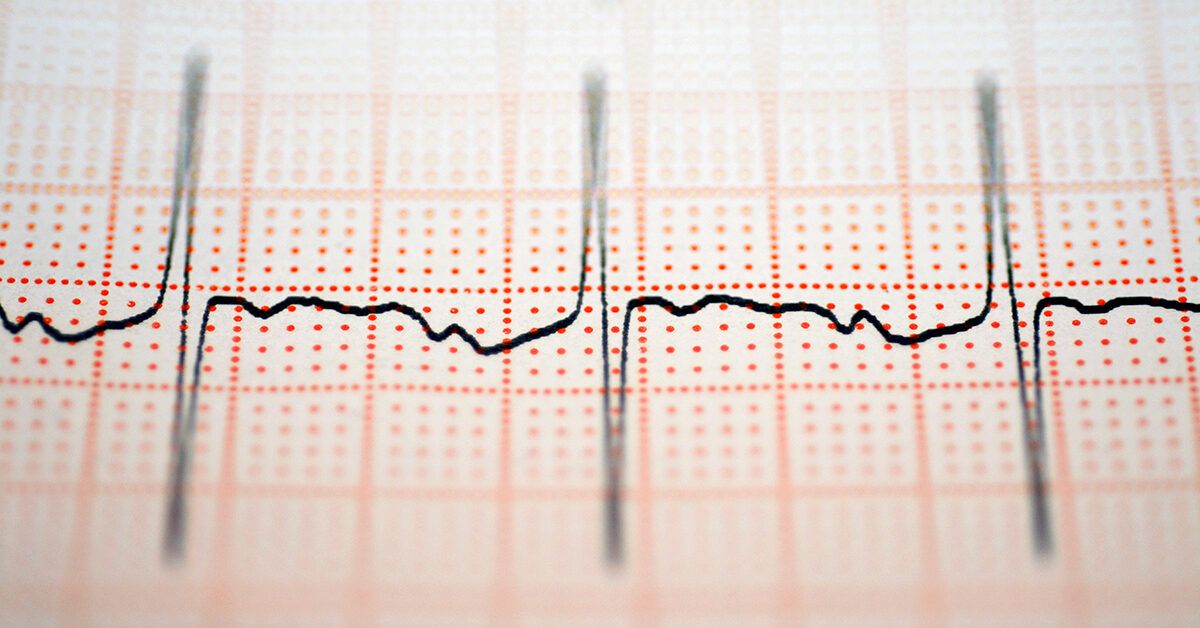
The most precise HRV measurement comes from an electrocardiogram (EKG), which records the electrical activity of your heart and shows the intervals between beats, known as R-R intervals. Typically, a heart rhythm monitor worn for 5 minutes up to 24 hours can establish your baseline HRV.
However, modern technology has simplified this process. Many smartwatches and fitness trackers, including popular brands like Apple Watch, now offer built-in HRV tracking capabilities, allowing you to monitor your heart health conveniently at home.
Keep in mind, while HRV is widely used in clinical research, its practical applications in everyday health monitoring are still evolving.
What Is an Ideal HRV for You?
Your optimal HRV varies based on age, fitness level, lifestyle, and personal health goals. Athletes often use HRV targets to optimize training and recovery, while others may track HRV to manage stress or improve sleep.
Generally, a higher HRV indicates better cardiovascular fitness and stress resilience, but individual baselines differ. Regularly tracking your HRV and noting significant changes can help you make informed lifestyle adjustments. If you observe unusual shifts, consulting a healthcare professional is recommended.
Common Questions About HRV
What Factors Lead to Low HRV?
Several elements can reduce your HRV, including:
- Chronic stress
- Hormonal imbalances
- Poor nutrition
- Physical inactivity
- Inflammation
- Mental health issues like anxiety and depression
- Respiratory conditions such as asthma
- Cardiovascular diseases and arrhythmias
- Diabetes
- Advancing age
- Sleep disturbances
- Certain medications
Since there are no strict guidelines defining a 'poor' HRV, it’s best to discuss any concerns with your doctor.
Is a High or Low HRV Better?
A higher HRV is typically a sign of good health and adaptability. However, some medical conditions, like atrial fibrillation, can also cause elevated HRV readings. Conversely, a low HRV is not an emergency but may signal underlying health issues or increased risk for future problems.
How Can You Improve Your HRV?
Enhancing your HRV involves adopting heart-healthy habits such as:
- Improving sleep quality
- Eating a balanced diet rich in whole grains, fruits, vegetables, and lean proteins
- Reducing intake of saturated fats and sugars
- Engaging in regular physical activity
- Practicing relaxation techniques to manage stress
- Quitting smoking
- Limiting alcohol consumption
- Managing existing health conditions with medical guidance
Do Medications Affect HRV?
Yes, certain drugs can influence HRV, including beta-blockers, antihypertensives, antidepressants, ACE inhibitors, and diuretics.
Final Thoughts
Heart Rate Variability offers a window into your cardiovascular and nervous system health, reflecting how your body responds to various internal and external factors. With advancements in wearable technology, monitoring HRV has become more accessible than ever.
While there is no universal 'ideal' HRV range, staying aware of your personal trends and consulting healthcare providers when significant changes occur can empower you to maintain and improve your health.
Explore useful articles in Sexual Wellness as of 22-08-2023. The article titled " Unlocking the Secrets of Heart Rate Variability: What Your HRV Reveals About Your Health " offers in-depth analysis and practical advice in the Sexual Wellness field. Each article is carefully crafted by experts to provide maximum value to readers.
The " Unlocking the Secrets of Heart Rate Variability: What Your HRV Reveals About Your Health " article expands your knowledge in Sexual Wellness, keeps you informed about the latest developments, and helps you make well-informed decisions. Each article is based on unique content, ensuring originality and quality.