


Submarining in Relationships: Why People Vanish and Return Suddenly
Submarining happens when a partner vanishes for a while and then returns as if nothing happened. This guide explains the motives, emotional impact, and how to cope and move on.
Submarining, or the experience of a partner who disappears for a period and then resurfaces without explanation, can be confusing and painful. This article breaks down what submarine behavior means, why some people do it, and practical steps to protect your well-being.
What is submarining
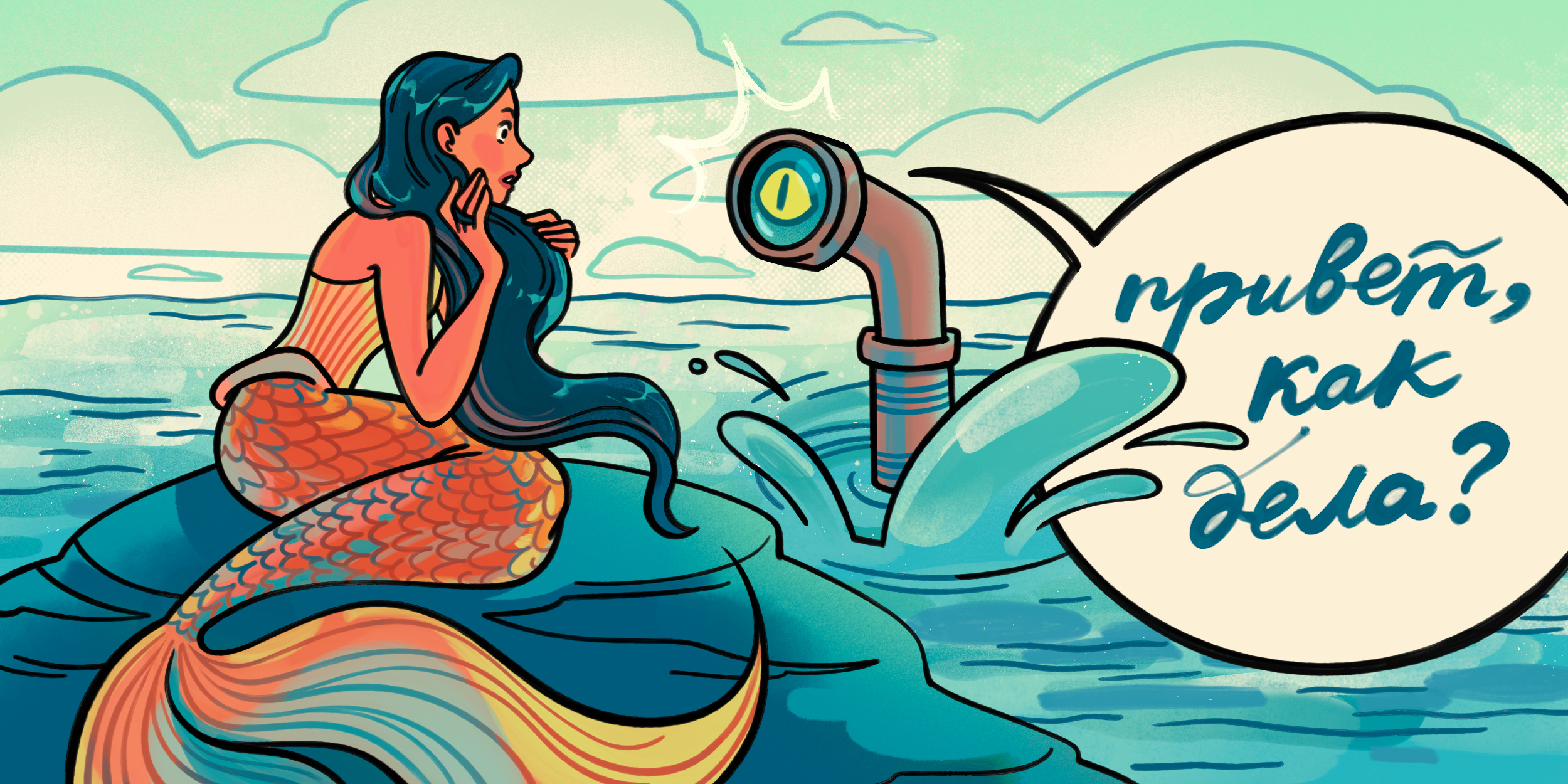
Submarining is a dating pattern where one person cuts off contact for a time and then reappears in your life as if nothing occurred. The cycle often repeats, creating alternating waves of hope and anxiety. The term evokes a submarine that sinks below the radar and suddenly pops up unexpectedly.
Why do people do it
Submarining isn’t always planned or malicious. The reasons vary and can include fear of a difficult breakup, a belief that a better partner is elsewhere, or the belief that disappearing is easier than ending things clearly. Some use this tactic to test your reaction or to avoid accountability.
Avoiding a breakup
For many, directly ending a relationship is hard. They may hide behind silence, hoping the other person will stop asking questions. When they feel bored, lonely, or nostalgic, they “pop up” again.
Believing the right partner is out there
People who are hopeful about finding someone “better” may retreat and return later, thinking the next encounter will be different. This belief can fuel cycles of disappearance and return.
Not seeing harm in the act
Some individuals don’t view disappearing as wrong. They may underestimate the emotional damage it causes, or they justify it as a personal choice.
Manipulation
In some cases, submarine behavior is used deliberately to create emotional highs and lows, keeping the other person attached and uncertain.
What to do if you are a victim
While every situation is different, these general steps can help you cope and protect yourself.
Don’t blame yourself
If someone vanishes and avoids your attempts to reach out, the fault lies with them, not you. Remind yourself that you deserve respectful and clear communication.
Don’t chase for answers
You may want explanations, but there is no guarantee you’ll get honest ones. Focus on your needs and your time, rather than trying to retrieve closure from someone who isn’t willing to provide it.
Be cautious when they return
If they come back and act like nothing happened, set firm boundaries. Decide whether you want to reopen contact, and be clear about what you will tolerate going forward.
Know when it’s time to end things
If the pattern repeats or accountability is absent, moving on is often the healthier choice. You deserve relationships built on trust, respect, and consistent behavior. If you find this hard, consider talking to a counselor or therapist for support.
Expert commentary
Expert opinion: A licensed psychologist notes that submarine behavior often stems from avoidance of conflict and commitment. The intermittent contact can prolong emotional pain by delaying real closure.
Short summary
Submarining is a form of emotional manipulation where a partner vanishes and returns without explanation. It creates cycles of false hope and anxiety, making it hard to move on. The healthier approach is clear communication, firm boundaries, and choosing to continue or end the relationship based on consistent, respectful behavior.
Key insight: Clear, honest communication protects your well-being; if someone disappears, your best move is to set boundaries and move forward.