

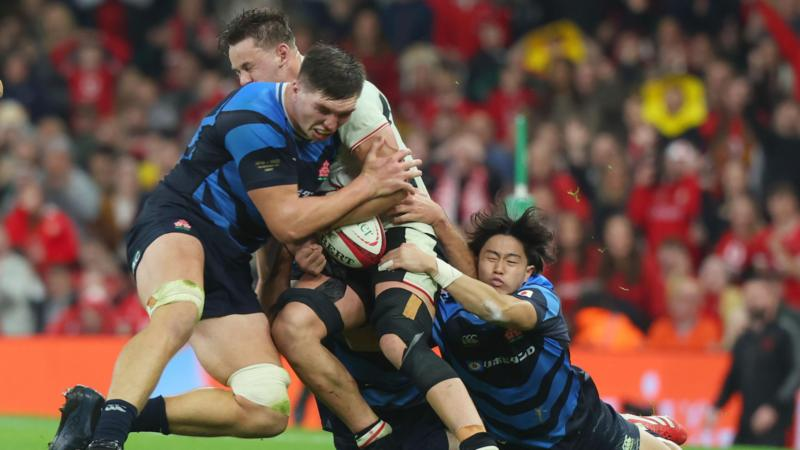

Rugby autumn officiating crisis: bunker system, TMOs, and 20-minute red cards spark debate ahead of Six Nations
Autumn tests expose rugby officiating flaws as TMOs, bunker rules, and 20-minute red cards spark debate and recalibration ahead of the Six Nations and the Nations Championship.
The autumn international window delivered high-octane rugby and plenty of talking points, but it also highlighted a refereeing crisis and the evolving role of the television match official (TMO).
With tight matches, long stoppages, and decisions that were later revised, fans and players questioned the balance between safety, speed, and consistency on the whistle.
The officiating dilemma on the field
Rugby union remains a brutal, physical sport, yet lawmakers have spent years trying to curb dangerous plays by empowering referees with yellow and red cards. The aim is to protect players while keeping the game flowing. This autumn, that balance looked hard to achieve, as the action became punctuated by stoppages and review calls.
Notably, Ireland vs South Africa stretched beyond two hours, with five yellow cards and players reduced to 12 at times. Critics described the experience as a game that felt broken.
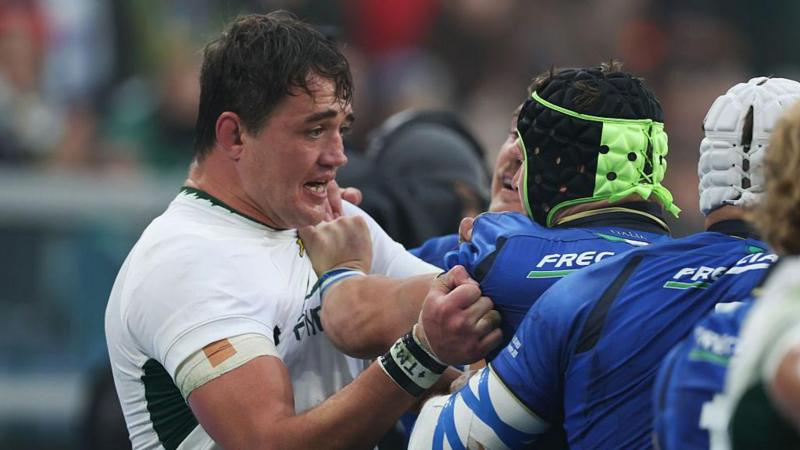
How the bunker and 20-minute red work
Two protocols introduced in recent years aim to protect players without wrecking the spectacle. The bunker system allows an off-pitch official to study incidents and decide whether to upgrade a yellow card to a red card, while the game continues on the field. The 20-minute red card ensures the guilty player sits out for 20 minutes, with a substitute allowed to keep the match fair for spectators.
In practice, both ideas have produced reversals. On opening weekends of this season, a yellow card for Tadhg Beirne was upgraded to a 20-minute red and later overturned by a disciplinary panel. South Africa's Franco Mostert also saw a red reversed, and Japan's Harry Hockings was similarly overturned. Ireland supporters criticized a decision not to sanction Sacha Feinberg-Mngomezulu for a clumsy tackle.
The on-field referees face a difficult task: too many checks disrupt play; too few risk missing foul play. Even well-informed fans can find it hard to differentiate penalties and cards and to know when a card should be red or yellow.
Former player and pundit Danny Care asked what sport features so much on-field visibility for officials, suggesting it is exceptionally challenging to officiate at the top level. Paul Grayson added that much of the confusion comes from off-field bunker decisions and constant reviews, which slow the game down and mislead spectators.
Calls for recalibration and possible reforms
Prominent voices have called for recalibrating how the game is officiated. Ugo Monye, a World Cup winner and member of World Rugby's High Performance committee, argued that some calls were obvious but mishandled and that bunker decisions in particular must be improved. Suggestions include reducing TMO interference, elevating the quality of TMOs to assist referees, or granting more centralized officiating oversight for consistency across leagues and tournaments.
Some leaders, including Eddie Jones, have pushed for limiting replacements to increase fatigue and create more space, potentially reducing collision risk. Others, like England head coach Steve Borthwick, say the test game remains healthy and entertaining, even with the refereeing debates, and warn against sweeping changes that could alter the sport too quickly.
As Six Nations approaches and plans for a Nations Championship gather pace, the sport faces a delicate balance between safety, spectacle, and clarity in the whistle. Whether reforms will be incremental or sweeping remains to be seen, but the need for a more consistent approach is widely acknowledged.
Key Takeaways
- The autumn internationals have spotlighted officiating and the role of TMOs in slowing the game.
- New protocols like the bunker system and the 20-minute red card aim to protect players while maintaining flow, but outcomes have sparked reversals.
- Experts call for recalibration, clearer guidelines, and better on-field decision-making to restore consistency.
- Discussions continue ahead of the Six Nations and the upcoming Nations Championship, with fan expectations high.
Expert commentary
Ugo Monye argues for recalibration and better management of bunker decisions, while Danny Care notes the on-field refs carry a heavy load and must be supported. The overall sentiment is that measured tweaks are preferable to a full overhaul.
Summary
The Autumn Nations Series delivered exhilarating rugby but also underscored a persistent officiating conundrum. While new rules aim to protect players and preserve the spectacle, fans and pundits want more consistency and speed in refereeing. As major tournaments loom, stakeholders will seek practical reforms that balance safety, clarity, and excitement on match days.
Key insight: The autumn series demonstrates that achieving safety, pace, and consistency on the whistle requires focused reforms and smarter use of TMOs. Source