


Scotland's Nordic Model Debate: Will Criminalising Buyers Protect Women Without Driving Sex Workers into Poverty?
Scottish debate over criminalising clients under the Nordic model could push sex workers into poverty, even as supporters argue it protects women. Here’s the latest.
Scotland is weighing a bold shift in sex work policy that would criminalize buying sex while keeping selling sex legal. The proposal, echoing Nordic models used in parts of Europe, aims to cut demand and support vulnerable workers. Critics warn that criminalising clients could push the trade underground and burden workers with poverty and risk.
What the proposals would change
Independent MSP Ash Regan has introduced a bill that would make paying for sex a crime, while allowing the sale of sex to continue legally. Sex workers would gain a statutory right to support services, and past convictions for soliciting could be erased. The policy would not change the status of brothels.
Voices from the field
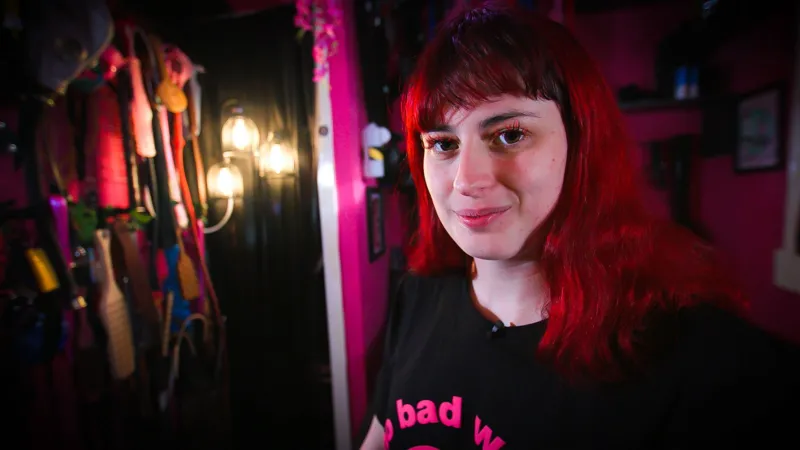
In Fife, 26-year-old Porcelain Victoria says self-employed sex work gives her the flexibility to balance childcare with income. She emphasizes the personal satisfaction of helping clients feel uplifted and the aim to continue working into her 60s, potentially transitioning to counseling on sexuality and relationships.
She warns that criminalising buyers could shrink the pool of clients and push her into poverty, explaining that a standard job would not cover her bills.
Porcelain Victoria notes that sex work has funded a better life for her child and a sense of independence, a sentiment echoed by other workers in Scotland.
Safety, violence, and practical concerns
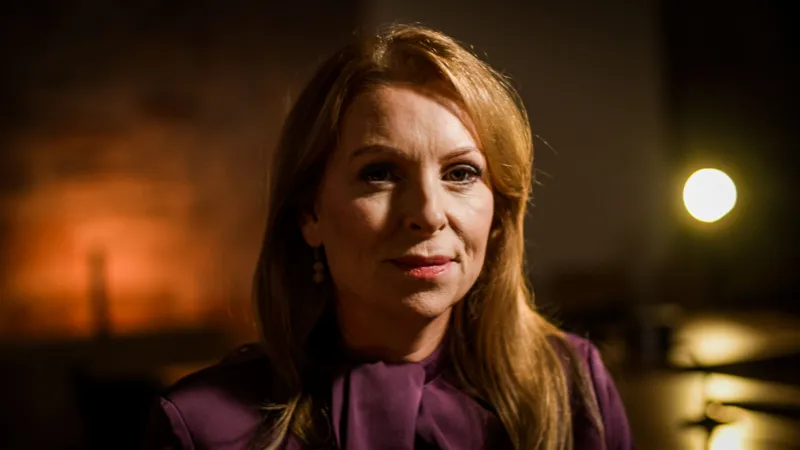
Amelia, who has worked in Edinburgh for six years and prefers to remain anonymous, says she moved from hospitality to adult work after long shifts and a perceived lack of respect. She has used online platforms to transition into in-person work and argues that a Nordic model would not necessarily deter violence; it could make safety harder if clients with information are reluctant to share it.
She notes that the absence of client details in a Nordic framework could undermine her ability to protect herself and to book clients safely.
Support and government stance
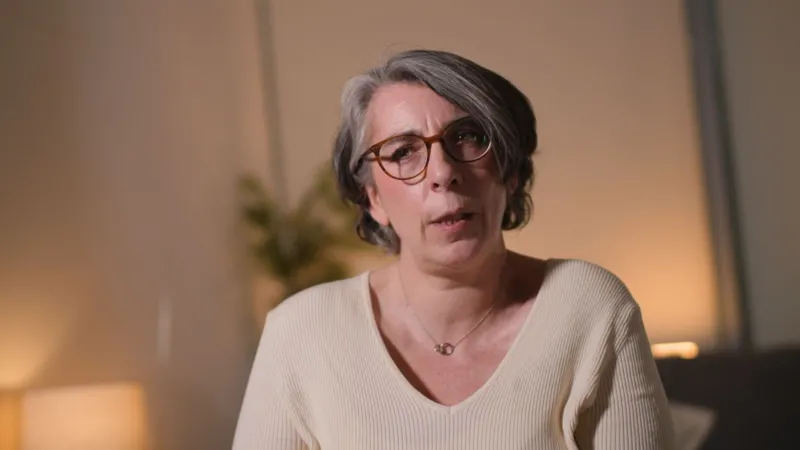
Tara, the Trafficking Awareness Raising Alliance, notes a rising number of trafficking cases and confirms support for Regan's plan based on frontline experience. The organisation reports a high risk of exploitation among survivors and advocates for safeguards within any reform.
Meanwhile, the Scottish government says it strongly supports making the purchase of sex illegal but has concerns about the proposed bill, suggesting substantial amendments. The government suggests the law may not pass before the next election.
Conclusion
Experts and advocates agree on one aim: to improve women's lives. Yet the path to that improvement remains contested, with proponents pushing for demand-side change and workers highlighting livelihood and safety risks.
Key Takeaways
- The Nordic model would criminalize buyers, not sellers.
- Workers warn that criminalising clients could lead to fewer clients and higher poverty.
- Proponents say the approach shifts power toward workers and improves safety against exploitation.
- The government seeks substantial amendments and faces timing issues ahead of the election.
- Trafficking survivors support channels like Tara, but emphasize safeguards and support needs.
Expert comment: A policy analyst notes that the Nordic model may improve safety by reducing buyer power, but enforcement and economic effects require careful design. Policymakers must balance protection with the livelihoods of sex workers.
Summary
The Scotland debate pits safety and empowerment against income security and practical realities of sex work. While both sides share the goal of protecting women, they disagree on the best path forward. As lawmakers weigh amendments, the policy landscape will shape how sex work is treated in Scotland for years to come.
Key takeaway: The core question is how to safeguard women who sell sex while ensuring workers can earn a fair living. This debate remains unsettled as Scotland weighs policy changes. BBC News