


Duffy's civility plea for air travel sparks debate as Thanksgiving rush looms
As Thanksgiving travel peaks, a civility campaign sparks debate: can simple manners ease crowded cabins and delays, or do deeper airline reforms matter more?
Introduction
US Transportation Secretary Sean Duffy has urged air travelers to show greater courtesy and present themselves with a neat, respectful appearance, unveiling a campaign titled The Golden Age of Travel Starts with You. As Thanksgiving travel approaches, observers say the message may miss the core issues behind delays and crowded airports.
The initiative features a video contrasting nostalgic scenes of attentive staff and orderly passengers with modern clips of disruptive behavior on flights. Duffy argues that manners extend beyond the gate and invites travelers to consider helping others and dressing with respect.
The debate surrounding civility and comfort
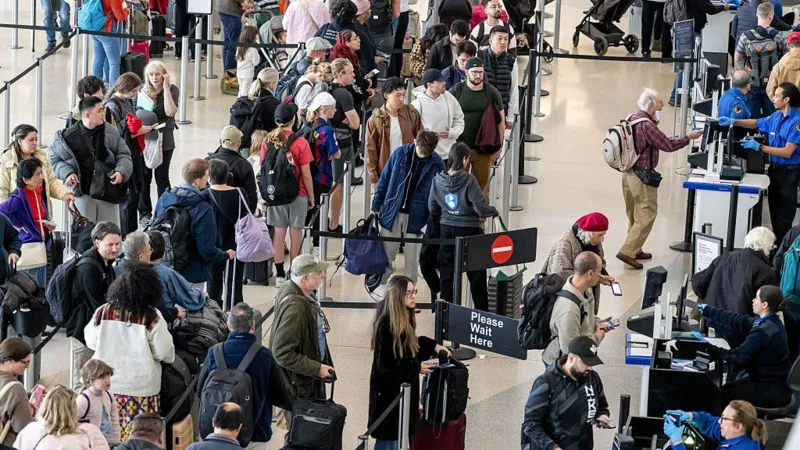
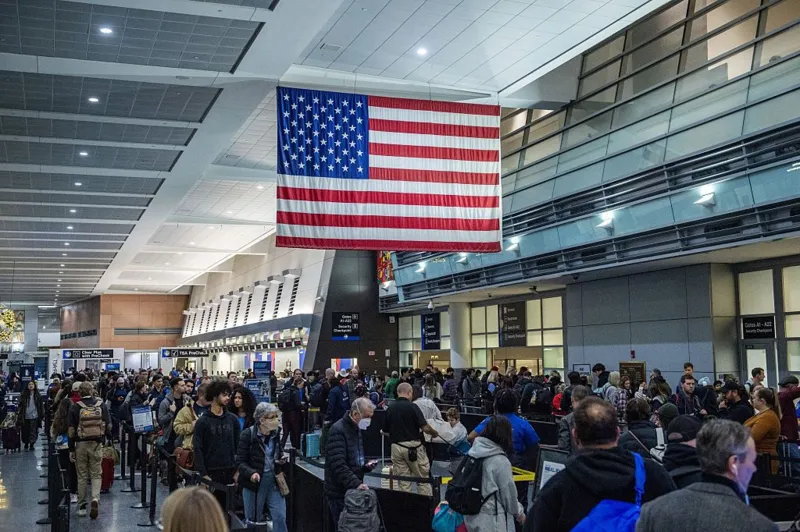
With the Thanksgiving travel rush forecast to be the busiest in years, the FAA predicts thousands of daily flights and a heavy flow of passengers. Aviation experts say the civility message, while well meaning, does not address the underlying strain caused by staffing shortages, delays, and cramped cabins.
Scott Keyes, founder of Going.com, notes that most travelers do not enter a flight eager to spar with others. He argues that once tensions rise, a speech about manners is unlikely to calm a heated situation, and the larger challenge is improving the travel environment itself.
Social media responses to Duffy’s campaign on X show a wide spectrum of opinion. Some praise the emphasis on respect, while others contend that airline operations and security procedures must improve before civility can truly take hold.
Analysts emphasize shared responsibility. Henry Harteveldt of Atmosphere Research Group says dressing better won’t automatically produce better conduct, and that cabin design and service levels strongly influence traveler mood. Aviation historian Dan Bubb of the University of Nevada, Las Vegas, cautions that measuring politeness across eras is tricky due to vastly different travel volumes today.
Key statistics and industry context
The campaign arrives as data highlight a rise in disruptive incidents, yet experts warn against oversimplifying the issue. Since 2019, there has been a sharp increase in in‑flight outbursts, with the DOT recording thousands of incidents since 2019 and a notable share of flight attendants reporting incidents on the job. These factors feed into the perception that travel has become more stressful, even if safety and overall accessibility have improved in many ways.
Some critics argue that improvements in operational efficiency, more space, reduced delays, and better security procedures would go further toward reducing tensions than any dress code or civility appeal. Others acknowledge the need to promote respectful behavior while urging policymakers and industry leaders to address the root causes of passenger frustration.
Expert perspectives
The consensus among several industry voices is nuanced. While kindness matters, practical changes to cabin comfort, seating, staffing, and flight reliability are essential to create a calmer travel environment. Experts agree that civility cannot substitute for systemic improvements in the aviation system.
Conclusion
In the end, civility is a positive goal, but it must be paired with tangible changes to flight operations, seating configurations, and airport procedures to reduce stress for travelers. As holidays approach, the industry is reminded that softer messaging must go hand in hand with stronger commitments to efficiency and passenger comfort.
Key Takeaways
- The Thanksgiving travel period is projected to be one of the busiest in years, with a surge in flights and passengers.
- The civility campaign aims to boost courtesy, but experts say it won’t fix operational bottlenecks alone.
- Cabin comfort, staffing levels, and streamlined security and boarding processes are central to reducing travel stress.
- Public reaction online is mixed, reflecting diverse views on dress codes and airline accountability.
Expert comment
A travel industry analyst notes that while politeness is valuable, clothing choices and etiquette cannot fix delays or cramped cabins; structural improvements are essential for a meaningful impact.
Summary
Secretary Duffy’s civility campaign shines a spotlight on traveler behavior, yet specialists emphasize that lasting change requires addressing the core for-hire reality of air travel: better scheduling, more space, and stronger staffing. The debate captures a broader question about how to balance courtesy with the practical needs of millions of daily travelers.
Key insight: Civility helps, but meaningful improvements in air travel come from operational reforms and better passenger support. BBC News