


Greece's Sheep and Goat Cull Sparks Feta Cheese Fears Across Europe
A nationwide outbreak of sheep and goat pox leads to mass culling in Greece, raising fears over feta supply and sparking debate on vaccination and biosecurity.
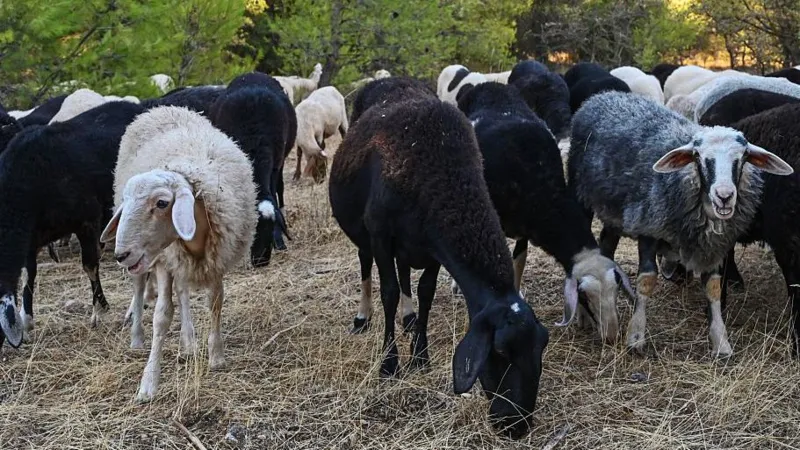
Greece is grappling with a large-scale cull of sheep and goats after a contagious disease outbreak, stoking fears about feta cheese supplies. Authorities say rapid action helps curb the spread, but farmers warn the consequences for livelihoods and exports could be long-lasting.
What happened and where
The first cases appeared in northern Greece in August 2024, and the illness has since spread to multiple regions. By mid‑November, officials recorded 1,702 incidents and ordered preventive culls totaling about 417,000 animals — roughly 4–5% of the national herd.
Impact on feta and milk supply
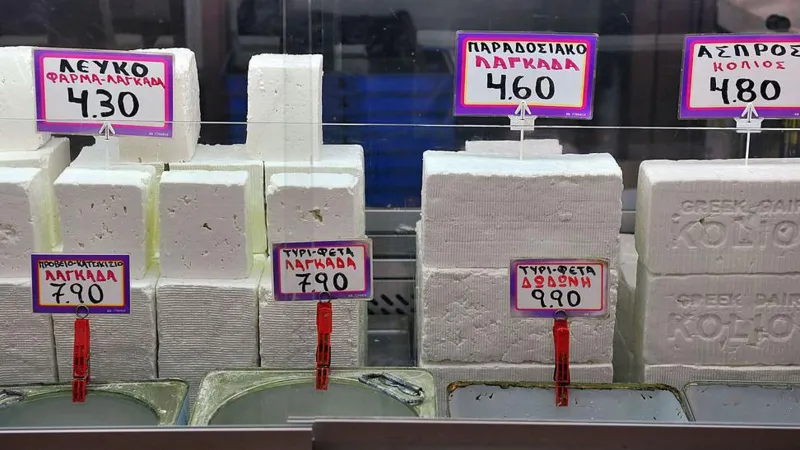
About 80% of sheep and goat milk is used to make feta cheese, a product protected by the European Union as a designation of origin (PDO). A milk shortage could push up costs and tighten supply for dairy producers. Last year Greece exported around £690 million worth of feta, with about £458 million going to EU countries and roughly £79 million to the United Kingdom.
Feta must be produced with at least 70% sheep’s milk, with the remainder from goats.
Farmers, compensation, and vaccination debate
Farmers say the culls hit livelihoods, and compensation offered so far ranges from about £116 to £194 per sheep, depending on age, which many feel does not cover full losses. Critics argue the national committee on the disease was created late, amid concerns about biosecurity enforcement and veterinary capacity.
Some officials claim as many as a million illegal vaccinations occurred, complicating the outbreak picture. Farmers, however, say the figure is contested and could threaten feta exports if misused.
Expert view
Expert comment: Professor Dimitris Gougoulis from the University of Thessaly notes that older vaccines can help in regions where pox is common but do not eradicate the disease, allowing the virus to continue circulating. He adds that strict biosecurity and rapid culling remain essential tools to control spread.
Local voices and future plans
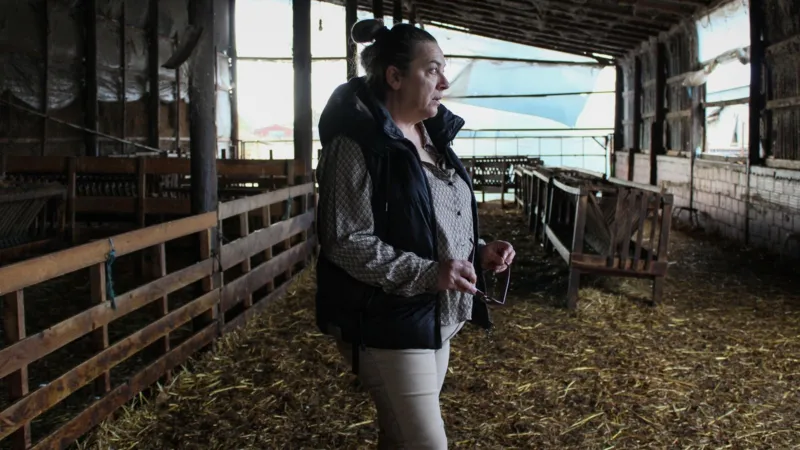
On farms near Karditsa and in Thessaly, producers describe empty barns and lost herds, with some planning to pivot to cattle fattening as a new family venture. Officials say the eradication plan followed EU protocols and that the decision to establish a scientific committee in October 2025 was driven by the need to tighten biosecurity after widespread noncompliance.
There is growing pressure from farmers for mass vaccination, arguing it is used in neighboring countries such as Bulgaria and Turkey. The government warns that large-scale vaccination could classify Greece as an endemic country, risking feta exports, and notes there is currently no fully certified vaccine for sheep pox in Greece.
A number of farms in the region remain under scrutiny as authorities continue surveillance and response efforts. The situation highlights the ongoing tension between animal health, trade rules, and rural livelihoods.
Conclusion
The outbreak underscores how disease control, EU trade rules for feta, and farm income intersect to shape Greece’s agricultural and export landscape. The coming months will reveal whether vaccination, enhanced biosecurity, or a combination of measures can stabilize production and preserve feta supplies.
Short summary: Greece faces a continuing sheep and goat pox crisis that has triggered mass culls and potential feta shortages. The government emphasizes EU-aligned protocols, while farmers press for vaccination and stronger biosecurity. The resolution of these tensions will influence dairy supply and feta exports across Europe.
Key insight: The Greek sheep and goat pox outbreak shows how animal health, EU export rules for feta, and farmer livelihoods intersect to shape national food security and international trade. BBC article