


Lebanon under renewed pressure as Israeli strikes continue despite ceasefire with Hezbollah
A year after the ceasefire, southern Lebanon endures daily Israeli strikes linked to Hezbollah’s rebuilding, shaking communities and challenging Lebanon's fragile stability.
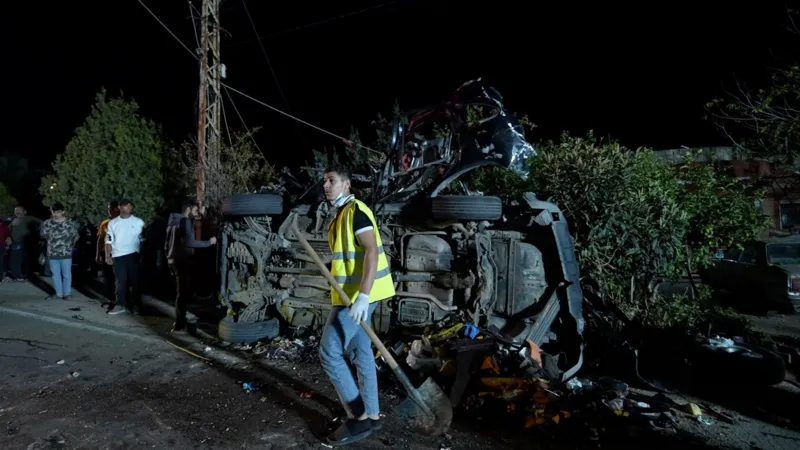
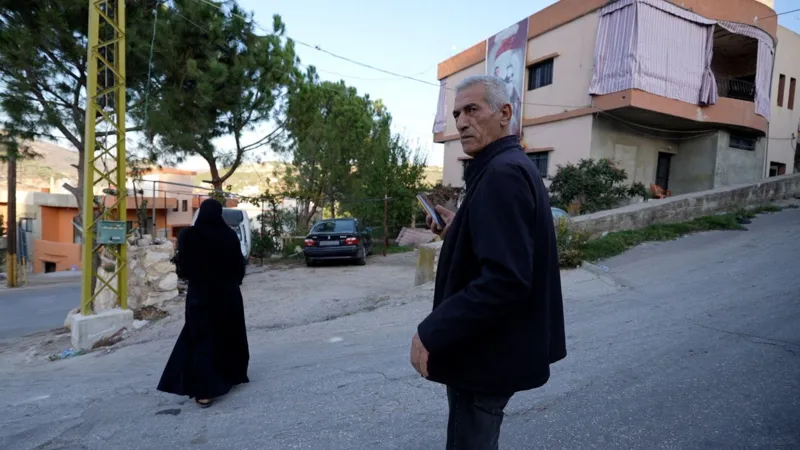
In southern Lebanon, a Friday evening airstrike on a car in Froun underscored how fragile the post-ceasefire calm remains a year after negotiations. The area has long been a Hezbollah stronghold, where banners honoring fallen fighters punctuate daily life and politics.
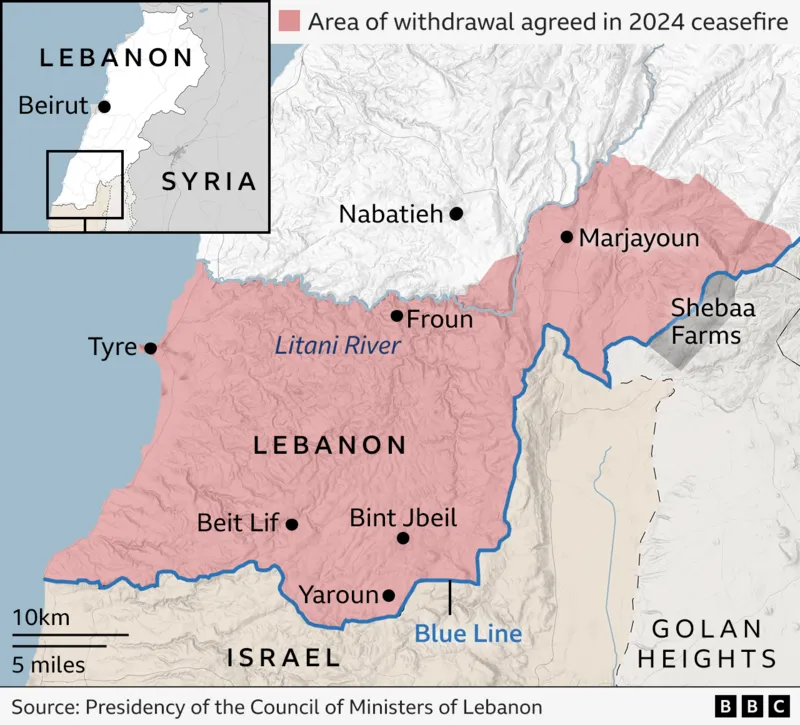
Despite the truce, which was meant to curb the fighting south of the Litani River, Israeli strikes have continued, arguing they are targeting Hezbollah’s reconstituted networks. I travelled to the region to gauge the human impact and found a population living with constant fear and uncertainty.
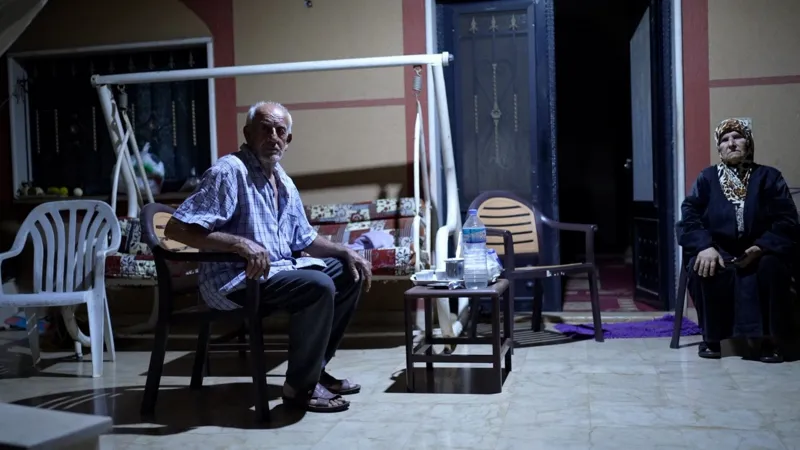
In Froun, residents expressed weariness rather than anger. Mohamad Mokdad, who was cleaning up after the strike, asked what help remains for ordinary people. "Who will protect us? I just want to live in peace. I don’t want parties or turmoil in my street," he said, hinting at the broader divide between political actors and everyday safety.
Israel says Hezbollah is trying to bounce back from losses suffered in the war, and its campaign in southern Lebanon continues as the group works to rebuild and reinforce its position. The ceasefire term appeared to provide a narrow window for Lebanese authorities to reassert state control, but the reality on the ground tells a different story.
The conflict that ended last year killed around 4,000 Lebanese and 120 Israelis, with fighting erupting after Hezbollah fired from across the border in response to events in Gaza. The ceasefire brokered by the United States and France called for Hezbollah’s fighters and weapons to withdraw from the south of the Litani and for Israeli forces to pull back from areas they had invaded, paving a path for Lebanese troops to move in.
A year later, the Israeli military continues to occupy several hilltops and conducts regular air and drone strikes across the country, saying they target Hezbollah bases. The group, meanwhile, reports no renewed offensive against Israel from the south, though sporadic mortars have fallen in the Mount Dov/Shebaa Farms area in response to Israeli actions.
UN peacekeepers (Unifil) say the fighting has produced thousands of violations, with a Lebanese health ministry toll exceeding 330 people killed, including civilians. Yet on the ground, the sense of safety remains fragile and elusive for ordinary families.
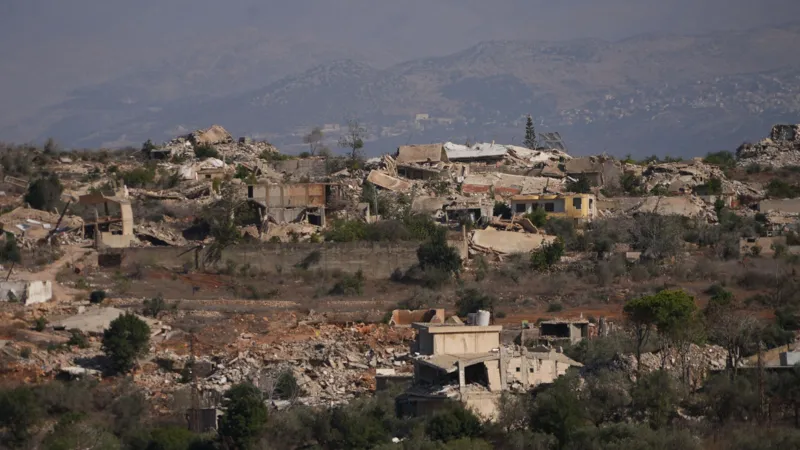
Beit Lif, a town near the border, became a focal point after a warning from an Israeli official about alleged Hezbollah infrastructures nearby. Residents woke to a late-night appeal for Lebanese soldiers to be deployed, fearing a new flare-up could be imminent.
Beit Lif’s mayor, Ezzat Hammoud, insisted there are no militants on the streets and questioned why Israeli attention has focused on his village. His response reflected a broader fear—some residents feel pressured to leave while others insist they want stability without renewed conflict.

A nearby resident, Nayef al-Rida, described living under constant surveillance from drones and warned that the situation is unsustainable: "This is no life. We have every reason to fear, and fear is now part of our daily routine."
Hezbollah’s leadership has publicly defended its arms, stressing that disarmament would threaten the group’s political and social influence in Lebanon. Secretary-General Nasrallah has warned that the group would not surrender its weapons, describing them as essential to Lebanon’s dignity and security. This stance continues to polarize a country where many see Hezbollah as both a key political actor and a security challenge.
Lebanese leadership has faced mounting calls for a state monopoly on arms, but President Michael Aoun has warned that pressing Hezbollah to disarm could inflame sectarian tensions and destabilize the country. Some Western diplomats argue that Washington’s impatience with the pace of change reflects a belief that a robust disarmament program is essential but politically difficult to implement.
As Arik borders remain tense, a wall Israel has erected near Yaroun is viewed by many as a violation of sovereignty. The army’s plan to finalize disarmament south of the Litani next month is seen as a potential turning point, though critics doubt it will proceed smoothly without Hezbollah’s consent.
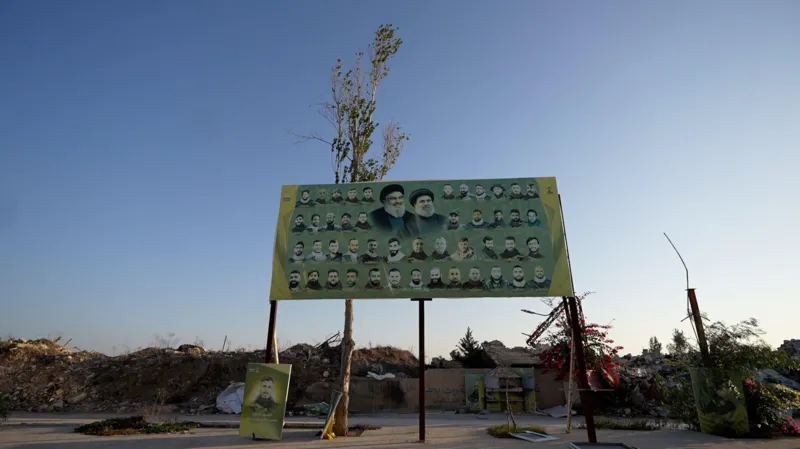
Yaroun’s town square shows the long shadow of the conflict: a concrete barrier has appeared along the border, and displaced families linger nearby, unsure when they will return home. The international community has shown limited appetite for reconstruction without a political settlement over Hezbollah’s role, leaving many people in limbo.
Facing a tense future, some residents and local leaders want a new path—one that prioritizes stability and avoids new rounds of war. Yet the region remains deeply divided, with Hezbollah still commanding significant support in parts of the country and continuing to influence politics and social services in areas where the state is weak.
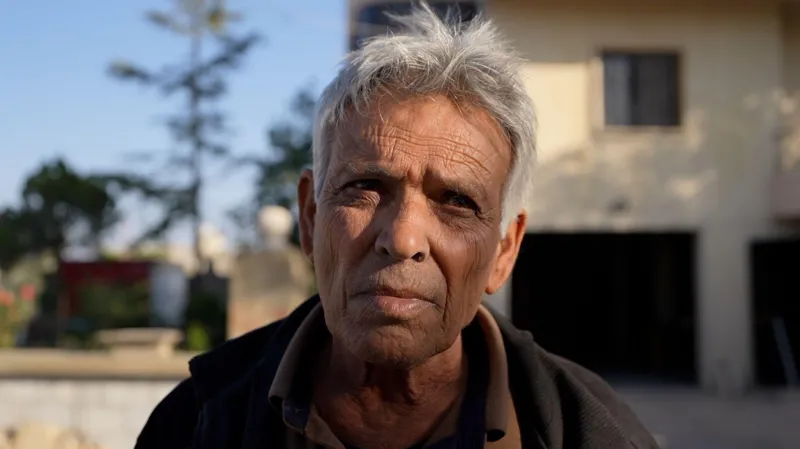
Across these communities, residents like New Nayef insist that the immediate need is safety and a sense of normal life. Some fear that long-standing grievances will outlast this ceasefire unless political leaders can broker a more lasting solution that disarms armed groups while preserving Lebanon’s sovereignty and unity.
In a recent public address, Hezbollah reiterated its stance on deterrence and resilience, while Lebanon’s leaders face renewed pressure from international partners to accelerate reforms and political compromise. The path to lasting peace remains uncertain, with regional power dynamics continuing to shape the future of southern Lebanon.
Additional reporting by Gaith Solh and Neha Sharma
Key Insight: The persistence of conflict in southern Lebanon highlights the challenge of achieving peace when security forces, militias, and regional powers intersect; real stability hinges on a credible disarmament plan, reconstruction, and a sustained political settlement. Source: BBC News
Key Takeaways
- Ceasefire stability remains fragile as daily air and ground strikes continue in southern Lebanon.
- Public opinion shows fatigue with war and rising demands for stability over militant politics.
- The disarmament of Hezbollah remains unresolved, with Lebanon’s army preparing for a stepped approach that depends on political consensus.
- Displacement and incomplete reconstruction persist, underscored by ongoing border tensions and security concerns.
Expert Perspective
Security analyst Dr. Leila Haddad says the ongoing strikes reveal Lebanon’s fragile equilibrium between state authority and militant power. She notes that without credible disarmament and regional diplomacy, peace will remain out of reach.
Summary
The ceasefire has paused large-scale combat but has not resolved the deeper tensions that fuel conflict in southern Lebanon. Daily Israeli operations, Hezbollah’s political role, and enduring border disputes keep the region on edge. Stability will require progress on disarmament, reconstruction, and a durable political agreement that secures Lebanon’s sovereignty and protects civilians.
In brief, Lebanon’s south remains volatile as regional dynamics complicate disarmament and reconstruction efforts; lasting peace depends on credible political compromise and protection of civilians. Source: BBC News