

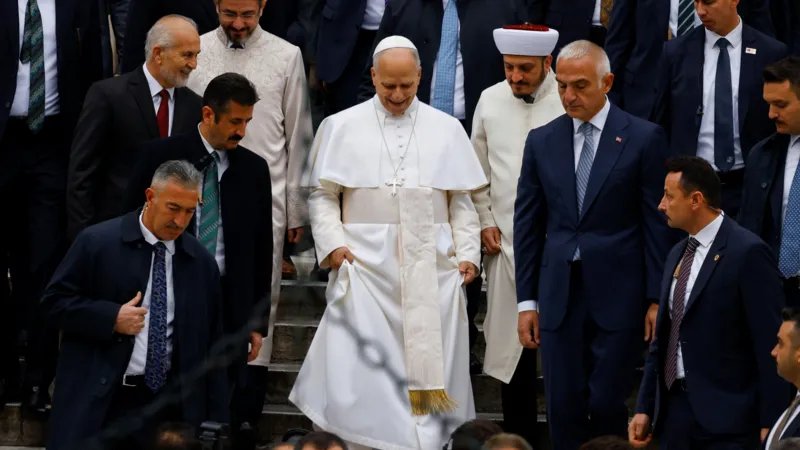

Pope Leo XIV Visits Istanbul's Blue Mosque in Historic Outreach
During a four‑day Turkey and Lebanon journey, Pope Leo XIV meets faith leaders, visits the Blue Mosque, and promotes interfaith dialogue and humanitarian support.
Pope Leo XIV began a four-day journey to Turkey and Lebanon, aimed at strengthening interfaith ties and promoting peace across diverse communities. The trip highlights the pope's commitment to dialogue and mutual respect among people of different faiths.
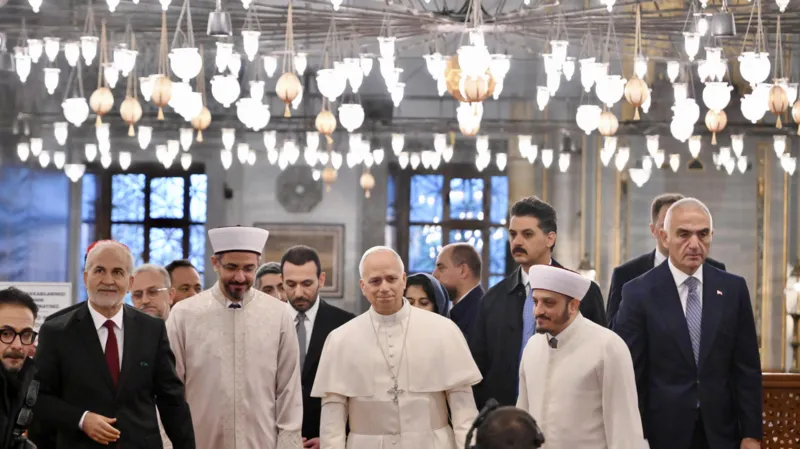
In Istanbul, he visited the Blue Mosque, officially named the Sultan Ahmed Mosque. He entered with a posture of reverence and bowed, but did not participate in prayers, a moment the Vatican described as thoughtful reflection and respect for worshippers.
Blue Mosque visit and its meaning
The Blue Mosque, built by Sultan Ahmed I between 1603 and 1617, is famed for its thousands of blue and turquoise tiles and its enduring appeal to millions of visitors each year. The pope’s stop here highlighted ongoing Catholic–Muslim dialogue as part of his bridge-building agenda.
Historically, popes have visited mosques: John Paul II first entered a mosque in Damascus in 2001, Benedict XVI prayed there in 2006, and Francis prayed at the same mosque in 2014.
Side moments and travel context
After the mosque visit, the pope was welcomed at St. George's Cathedral in Istanbul by Patriarch Bartholomew, the leader of the Eastern Orthodox Church, signaling a broader call for Christian unity in a region with diverse faiths.
The trip to Turkey is part of a four‑day sequence that will also take him to Lebanon, a country with a substantial Christian community and ongoing regional tensions.
Trip goals and remarks
The itinerary emphasizes building bridges among religions and communities. At the start of the tour, Pope Leo warned against a rise in global conflict, urging world leaders to protect humanity’s future through dialogue and cooperation.
Lebanon leg and final Mass
In Lebanon, he is expected to meet faith leaders and young people. On the final day, he will celebrate Mass on the Beirut waterfront, near the site of the 2020 port explosion, praying for the more than 200 people killed and about 7,000 injured.
Expert perspective
Expert comment: Religious studies scholars say the visit reinforces the Catholic Church’s commitment to dialogue across faiths in crisis regions. The outreach underscores the role of the pope as a global messenger for peace.
Summary
Overall, the pope’s Turkish and Lebanese journey centers on faith, healing, and solidarity. The visit combines ceremonial respect with practical efforts to support dialogue, humanitarian relief, and youth engagement across religions.
Be sure to follow further updates for developments on community leadership meetings and humanitarian actions sparked by the trip.
Key insight: The pope’s Turkey and Lebanon tour reinforces ongoing interfaith dialogue and bridge-building in complex regions, continuing a long tradition of Catholic outreach. BBC coverage