


The Hidden Price of Counterfeit Football Kits: Health Risks, Costs, and How to Spot Fakes
Counterfeit football shirts offer big savings but may pose health risks and fund crime. Learn why fakes proliferate, how to identify them, and safer buying tips.
Across the country, fans face a common dilemma: cheap counterfeit football shirts versus genuine products with robust safety and quality controls. As official kit prices climb, more supporters turn to cheaper copies online, but experts warn of risks that go beyond money.
From potential skin irritation to links with criminal networks, the downsides of fakes extend beyond poor stitching. This report explains why knock-offs flood the market, how to tell them apart, and what fans should consider before purchasing.
Why fans buy fake kits
The main driver is price. Official Premier League shirts typically cost between £60 and £85, and adding badges or personalisation can push the total well past £100. Online marketplaces and overseas sellers offer convincing fakes for a fraction of the price, tempting budget-conscious fans.
Outside stadiums, our conversations with supporters show a willingness to accept lower quality in exchange for savings, especially among younger fans with tighter budgets.
Health, safety, and quality concerns
Experts warn counterfeit kits may use substandard fabrics and dyes that can irritate skin or trigger allergies. Because these products skip safety checks, some may contain toxins or chemicals whose long-term effects are unknown.
Enforcement groups say these goods operate outside legal norms, leaving the exact contents unpredictable. This raises concerns for wearers, particularly children, who may be more vulnerable to adverse reactions.
Efforts to curb counterfeit kits
In the UK, buying fake items is not illegal, but selling them is, with penalties including prison time and fines. The Premier League’s anti-counterfeiting program reports millions of seized items and thousands of online listings removed in recent years, reducing exposure ahead of major events.
Officials note that fake-kit demand tends to surge before tournaments, with expectations of renewed activity ahead of the World Cup next summer.
Why genuine kits cost what they do
Kit designer Rob Warner, who has worked with brands like Umbro and Puma, describes a “perfect storm” of costs. He estimates production costs for a replica shirt are around £10, while the remaining price reflects development, technology, branding, and margins. The final price covers design, research, packaging, and the shopping experience, not just the garment itself.
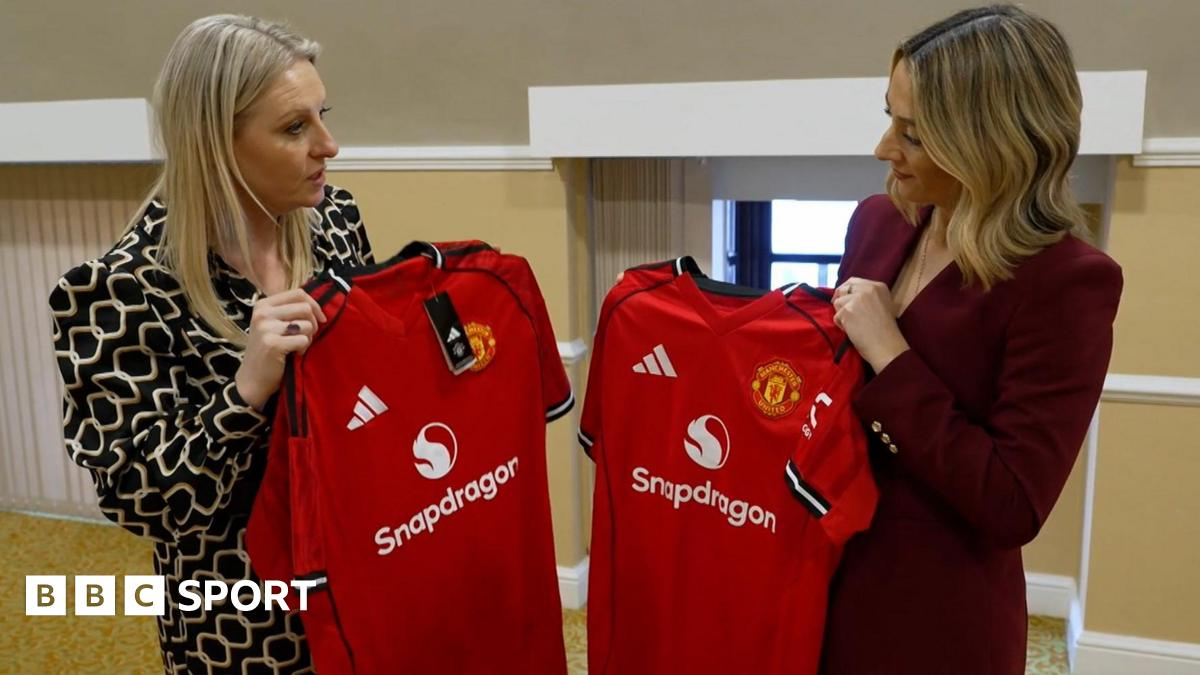
Warner acknowledges counterfeit quality has improved, making it harder for casual buyers to tell real from fake. Yet he argues the authentic product still offers safety, reliability, and support that fakes cannot guarantee.
How to spot a fake
Experts say if a deal is dubious or the seller is unfamiliar, it’s a red flag. Look for genuine product codes by cross-referencing with brand databases, and beware of hand-marked labels or signs of manual inspection that point to counterfeit production.
Independent retro kit shops note counterfeit sales have hurt legitimate retailers, underscoring the broader impact on fans who want dependable, properly sized gear.
Key Takeaways
- Counterfeit kits can pose health and safety risks due to substandard materials and dyes.
- Very low online prices, especially from overseas sellers, fuel a trade linked to criminal activity.
- identify fakes through price anomalies, official product codes, and the absence of authentic production marks.
- Genuine kits reflect design, research, and brand value, including reliability, service, and warranty.
Expert comment:While counterfeit quality has improved, buyers still face uncertain risks and should source from reputable retailers.
Summary
Cheaper counterfeit shirts may seem appealing, but they conceal potential health hazards and criminal use. Rising official prices push fans toward fakes, making it essential to weigh cost against safety and legality. Authorities continue cracking down on counterfeit networks, and shoppers are urged to buy from trusted sources.
Key insight: The price advantage of counterfeit kits hides health risks and criminal links; always verify authenticity and purchase from reputable retailers. BBC report