


Cristiano Ronaldo's World Cup Ban Suspended: Why FIFA Eased the Punishment for 2026 Finals
FIFA partially suspends Ronaldo's three-match ban, enabling him to play at the World Cup while the remainder could be lifted under a probation rule. Here's how it works for now.
Cristiano Ronaldo is cleared to feature for Portugal in the early World Cup fixtures after FIFA chose to partially suspend his three-match ban for violent conduct. The move means he can play now, with the remaining two matches potentially activated if he commits another offence during a probationary period.
Why Ronaldo can play now
Ronaldo was originally set to miss three matches following an elbow incident with Dara O'Shea during a qualifying match. FIFA's disciplinary committee noted his long career and 225 international appearances, which helped shape a decision that included one match already served against Armenia and a provisional two-game suspension held in reserve during the probation.
The authority to suspend penalties
Yes. Article 27 of FIFA's disciplinary code allows the body to fully or partially suspend penalties for a probationary period of one to four years. It also gives the relevant FIFA judicial body the power to scale down or even lift the punishment entirely.
Past cases of leniency
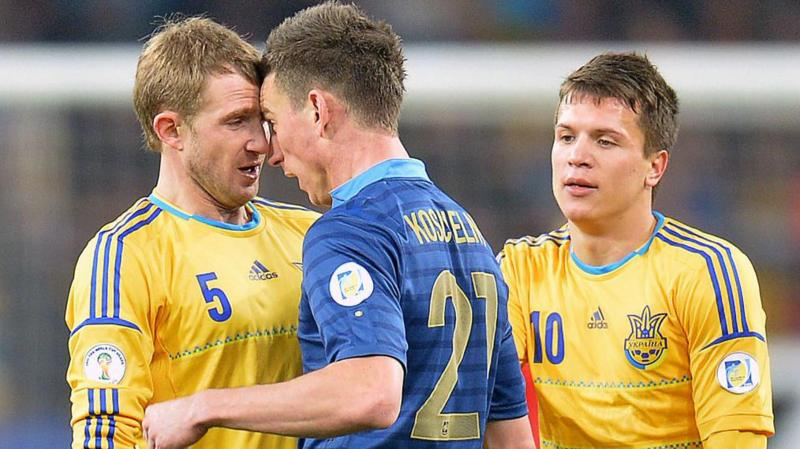
Ronaldo's situation is unusual, but FIFA has shown leniency in other cases. In 2014, France defender Laurent Koscielny had his final qualifying ban shortened, enabling him to play at the World Cup. Croatia's Mario Mandzukic, the Netherlands' Phillip Cocu, Japan's Makoto Hasebe, and Iran's Saeid Ezatolahi also benefited from shortened sanctions in various ways. In 2002, Mexico's Jesus Arellano saw his ban reduced on appeal, allowing him to play the opener, while Wayne Rooney's Euro 2012 suspension was also reduced on appeal.
Other notable cases
England's women’s team provides another angle: Lauren James received a two-game suspension at the 2023 Women's World Cup, allowing her to return as a substitute during the latter stages. Rooney’s case in Euro 2012 is another frequently cited example of successful appeals that altered tournament schedules.
What this means for Portugal
Portugal’s plans now include Ronaldo in the starting lineup for the opening games, with the possibility of further suspensions if he commits another offence during the probation period.
Expert perspective
Sports law analyst Maria Alves notes that the decision hinges on how long the probation lasts and how future conduct is judged. She adds that the Ronaldo case could influence how FIFA handles similar disputes for high-profile players in major tournaments.
Key Takeaways
- Article 27 lets FIFA fully or partially suspend punishments for 1–4 years.
- Ronaldo’s case shows how a veteran player’s clean record can influence disciplinary outcomes.
- Past cases demonstrate leniency is possible, but outcomes depend on the specific incident and context.
- The decision highlights FIFA’s discretion in balancing discipline with the appeal of star players at the World Cup.
Summary
The partial suspension of Ronaldo's ban allows him to participate in the World Cup while leaving room for future disciplinary action if he commits another offence. This move illustrates FIFA's flexible approach to sanctions and mirrors earlier examples where bans were shortened or modified. As the tournament approaches, these rulings may influence team selection and competitive dynamics across the field.
Key insight: FIFA can scale or suspend bans under Article 27, shaping World Cup rosters and fueling debates on consistency across cases. Source: BBC Sport.