

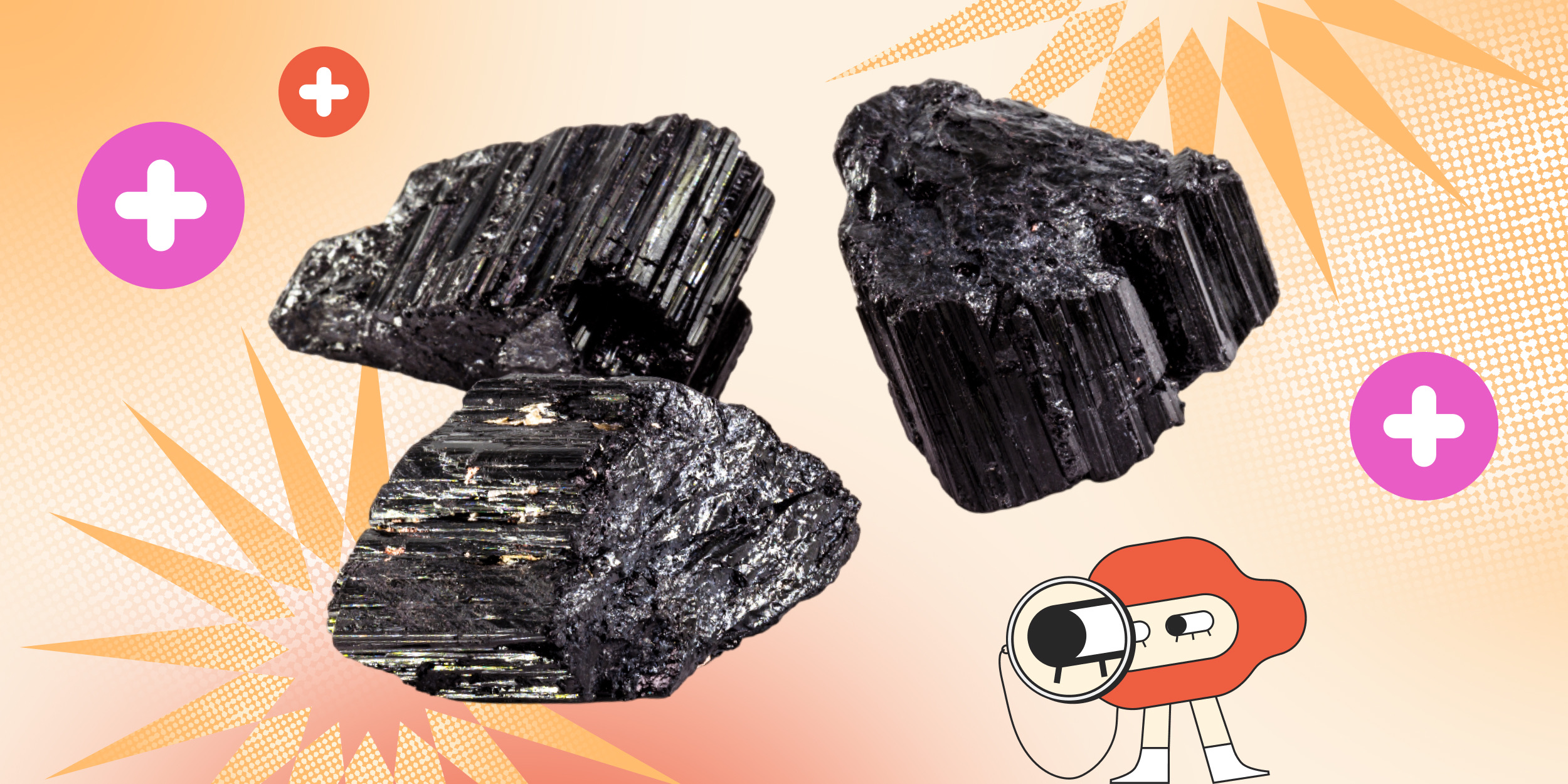

Can Tourmaline Improve Health? Separating Fact from Fiction
Tourmaline is used in jewelry and wellness devices, but solid scientific proof of health benefits is lacking. This explainer covers claims, research, and safe, evidence-based options.
Tourmaline is a colorful mineral commonly used in jewelry and a range of wellness products. While many sellers promise health benefits, scientific proof is limited. This article explains what tourmaline is, what research shows, and safer health approaches for English learners.
What is Tourmaline?
Tourmaline is a natural mineral made from elements such as boron, aluminum, iron, magnesium, sodium, lithium, and potassium. It appears in many colors, from black to pink, which makes it a popular material for jewelry.
Common uses
People wear tourmaline as bracelets, earrings, and rings. Some wellness devices claim to use tourmaline to support health, including heated mats, pads, knee warmers, and massage products.
Popular health claims
- increased energy and reduced fatigue
- improved sleep
- relief from joint pain
- hormone balance issues
- better blood circulation and vein health
- lower headaches
- less eye strain and improved vision
- reduced muscle pain
- faster healing for fractures
- fewer cramps
Some sellers also claim that tourmaline products boost immunity, detox the blood, balance body pH, or calm nerve activity. A few merchants even say tourmaline can replace medicines.
What does science say?
There is no solid proof that tourmaline products cure diseases or treat medical conditions. Researchers study minerals, but current results do not confirm health benefits. For example, applying a preparation containing tourmaline can raise skin temperature by about 1°C, but the reason is unclear and it is not proven how this could help in medicine. Health guidelines at home or abroad do not endorse these devices for medical use.
Safety and better options
Relying on wellness devices instead of proven medical care can delay proper treatment and worsen illnesses. If you have trouble sleeping, vision problems, or pain, speak with a healthcare professional. Focus on evidence-based habits: a balanced diet with plenty of fruits and vegetables, regular exercise, good sleep, and following medical advice.
Replacing tourmaline devices
There are no magical stones. If a clinician recommends tourmaline products, consider a second opinion. In many cases, investing in proven health habits is wiser than buying unproven devices.
If you are unsure, spend money on proven health measures instead: nutritious foods, physical activity, and preventive care.
Expert comment
Expert opinion: Current science does not confirm health benefits from tourmaline devices. They should not replace standard medical care or proven treatments.
Summary
Tourmaline is a colorful mineral used in jewelry and some wellness products. Scientific evidence does not support health benefits, and relying on these devices can delay medical care. For health concerns, seek medical advice and adopt healthy lifestyle habits like good nutrition and regular activity.
Key takeaway: Health decisions must be based on solid evidence and professional medical guidance, not unproven devices.