

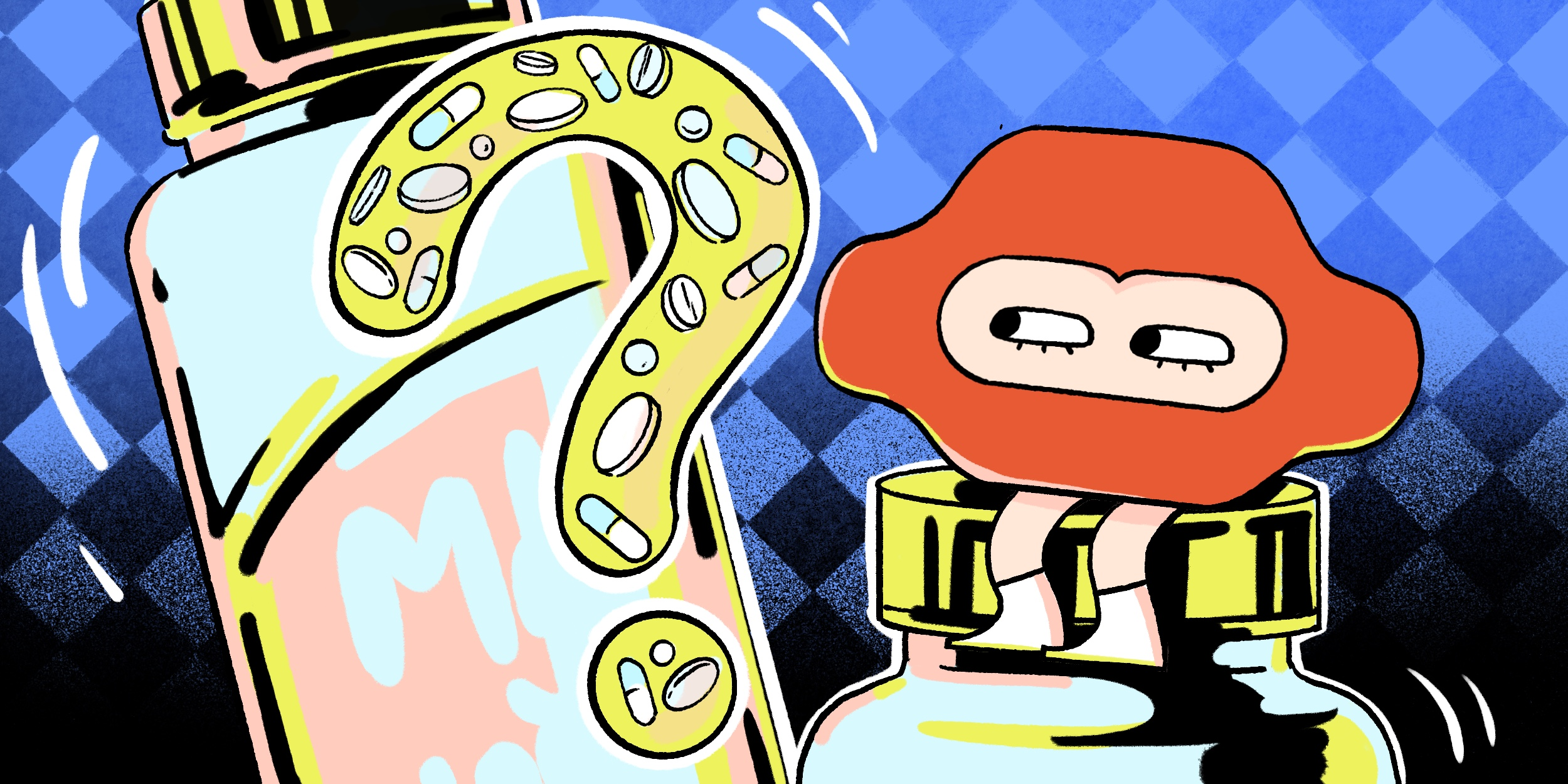

Magnesium for Calmness: What the Evidence Really Says
Many supplement ads promise calm nerves with magnesium, but science remains mixed. This article explains the current evidence and practical, proven stress-management tips.
Magnesium is a mineral your body uses in many essential jobs, including nerve signaling and heart health. Some people take magnesium supplements hoping for a calmer mood, but the science is not settled. This article explains what current research shows and offers practical, proven ways to manage stress.
What the science says about magnesium and anxiety
Researchers have looked at whether magnesium supplements can ease anxiety symptoms. Some trials report small improvements, but many studies have design limitations such as missing placebo controls or small participant groups. Because of these issues, experts have not reached a firm conclusion about recommending magnesium for anxiety relief.
Quality, safety and dosage considerations
Getting magnesium from food remains the best source. Supplements vary in strength, and not every product matches the label. Regulation of supplements is less strict than medications, so the actual dose can differ. Talk to a healthcare provider before starting high-dose magnesium, especially if you have kidney problems or take other medicines.
Proven strategies to manage stress and anxiety
Non-drug approaches have stronger and more consistent support for helping most people cope with stress. Try these evidence-based steps:
- Regular exercise such as brisk walking, swimming, or yoga can help reduce tension and improve mood.
- Breathing exercises with slow, deep breaths can help calm the nervous system.
- Eat a balanced diet rich in vegetables, whole grains, lean proteins, and healthy fats to support overall well-being.
- Share worries with someone you trust to gain perspective and support.
- Limit alcohol consumption, or avoid it altogether, to prevent mood swings and sleep disruption.
- Maintain good sleep habits: aim for seven or more hours per night, go to bed and wake up at the same times, and create a quiet, dark, and cool sleeping environment. Avoid caffeine and screens before bed.
- Limit exposure to distressing news to reduce daily stress.
If anxiety persists and disrupts daily life, consult a medical professional. Supplements should not replace professional care when needed.
Expert perspective
Expert comment: Magnesium is generally safe for most people, but current studies show mixed results for anxiety relief. For now, rely on evidence-based lifestyle strategies and medical guidance for persistent worry.
Short summary
Summary: Magnesium may help some individuals, but robust evidence does not show a clear, consistent effect on anxiety. It is best to obtain magnesium from food and use supplements only under medical advice. For stress, practice proven strategies such as exercise, breathing, sleep hygiene, healthy eating, and social support.
Key insight: Magnesium supplements are not yet proven to ease anxiety; rely on established lifestyle strategies and professional advice for persistent symptoms.