


US-EU Trade Talks: Washington presses Europe on digital taxes and steel tariffs
Washington pushes Europe on digital services taxes while seeking tariff relief as U.S.-EU talks in Brussels aim to seal a broader trade deal.
In Brussels, negotiators from the United States and the European Union convene to advance a new trade framework. Washington is pressing for changes to digital services taxes and to the scope of steel and aluminum duties as part of efforts to secure broader economic concessions.
What’s on the table
The discussions follow a July pact that offered Europe, in exchange for certain reforms and commitments, a potential 15% tariff rate on some metal exports, rather than higher levels previously discussed. Despite assurances, a wider 50% duty has remained in place on additional products, and the tariff list continues to expand.
Digital taxes under the spotlight
The United States has long argued that digital services taxes burden American technology firms unfairly. European officials, however, maintain that these levies are non-discriminatory and necessary to address revenue from online services. Trade commissioner Maroš Šefčovič reiterated that stance, stressing that the issue is not negotiable.
US objectives in the package
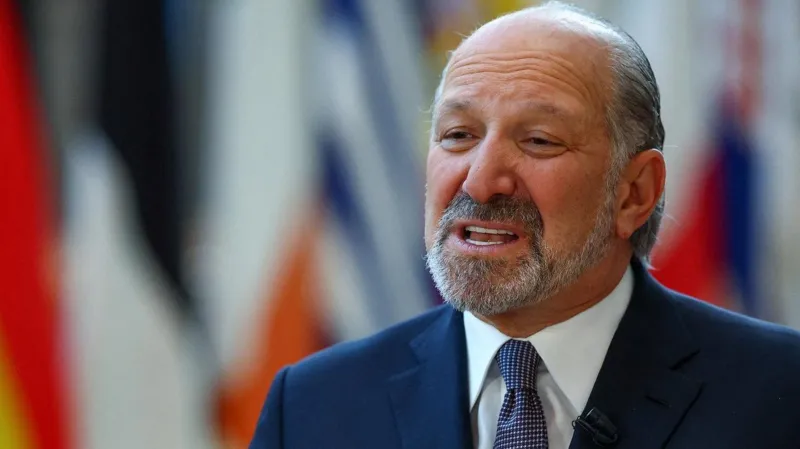
U.S. Commerce Secretary Howard Lutnick indicated that Washington wants digital tax rules to be addressed within the broader deal and to secure steel and aluminum concessions. He emphasized the importance of reforming European digital regulations to create a more favorable environment for American digital companies and, by extension, U.S. industries.
What this means for readers
For businesses, drivers, and consumers, the outcome could influence tariff costs on a range of goods, including metals and select food products, as well as the operating landscape for major tech firms with a European footprint.
Key Takeaways
- US-EU talks focus on digital services taxes and metal tariffs within a broader trade framework.
- Washington seeks concesssions on steel and aluminum and calls for changes to Europe’s digital tax regime.
- EU officials reiterate that digital taxes are not up for renegotiation, staying firm on their policy stance.
- The 15% tariff benchmark from the July agreement remains a reference point, while the U.S. has expanded the tariff list to include more products.
- Outcomes could affect prices for consumers and the business climate for tech and manufacturing firms on both sides of the Atlantic.
Expert Commentary
Comment: Trade analyst Dr. Lina Moretti notes that the talks hinge on aligning digital tax policies with tariff relief, a move that requires credible concessions from both sides. She adds that a balanced agreement could unlock new investment while avoiding disruptive price shocks for shoppers.
Summary
The U.S. and EU are navigating a delicate balance between digital taxation and tariff relief as they pursue a broader trade agreement. While Washington pushes for concessions on digital taxes and metal duties, European officials maintain that DST policies are non-negotiable. The negotiations could yield a framework that influences pricing, investment, and competition for years to come.
Key takeaway: Digital tax debates and steel tariffs remain central to US-EU trade talks, shaping the potential scope of a new cross‑Atlantic deal. BBC report
Discover the latest news and current events in Economics as of 24-11-2025. The article titled " US-EU Trade Talks: Washington presses Europe on digital taxes and steel tariffs " provides you with the most relevant and reliable information in the Economics field. Each news piece is thoroughly analyzed to deliver valuable insights to our readers.
The information in " US-EU Trade Talks: Washington presses Europe on digital taxes and steel tariffs " helps you make better-informed decisions within the Economics category. Our news articles are continuously updated and adhere to journalistic standards.