


UN Says Gaza Food Aid Improves, But 100,000 Remain in Catastrophic Hunger
A new IPC assessment finds progress in Gaza's food access since the ceasefire, but about 100,000 residents still face catastrophic hunger, underscoring ongoing risk.
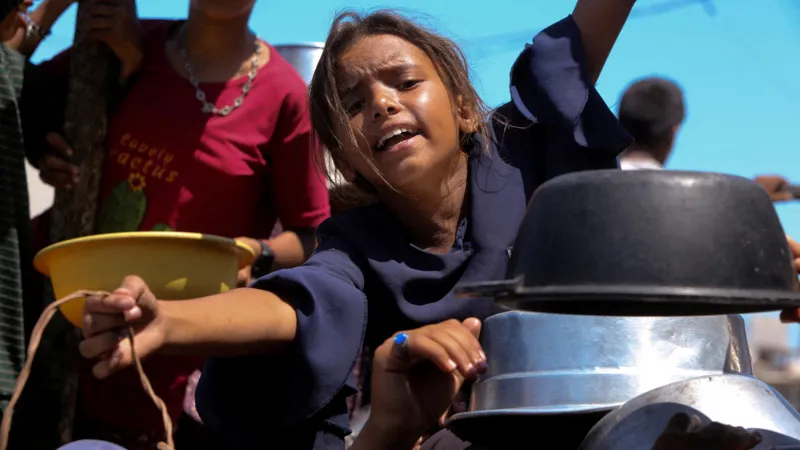
In a fresh assessment, UN-backed analysts report some relief in Gaza's nutrition and food distribution since the ceasefire, yet about 100,000 residents still live in the most dire hunger category. The report also notes that last month roughly half a million Gazans were in emergency conditions.
The Integrated Food Security Phase Classification (IPC) tracks hunger globally. In August, it found that roughly a quarter of Gaza's population faced emergency or famine-like conditions, with half a million people in Phase 4 and more than 100,000 in Phase 5.
Since October's ceasefire, aid groups say more food is reaching Gaza, though access remains fragile. Israel's foreign ministry dismissed the IPC findings as distorted and not reflective of ground reality, while the military unit responsible for crossings, COGAT, argued weekly food truck deliveries exceeded UN estimates.
What the IPC describes about malnutrition and future risks
The IPC notes severe acute malnutrition in Gaza City and serious levels in Deir al-Balah and Khan Younis. Looking ahead, the report warns conditions will stay harsh in the coming months, but the share of people in the most extreme category could fall to around 1,900 by April if trends hold, provided there is no renewed fighting. The report also cautions that renewed hostilities could push the entire territory toward famine again.
Context and drivers of hunger
Key factors driving hunger include restricted aid access, the displacement of more than 730,000 people, and the widespread destruction or inaccessibility of livelihoods—more than 96% of Gaza's arable land has been damaged or rendered unusable.
Reactions and ongoing concerns
Israel says the blockade on aid was eased in May to pressure Hamas and to facilitate hostage releases, while insisting the IPC's methodology is flawed. UNRWA, the UN agency for Palestinian refugees, says the absence of famine does not mean Gaza is out of danger; it remains in a critical humanitarian situation, especially with winter approaching and the need for steady aid and commercial flows.
Expert comment
Analysts say the progress is welcome but does not erase the broader vulnerability facing Gazans. Sustained, reliable aid and trade are essential to prevent a relapse into deeper hunger if fighting resumes.
Short summary
The latest IPC update shows some gains in Gaza's food access since the ceasefire, yet hunger remains widespread and fragile. Roughly half a million people are in emergency conditions, with over 100,000 in the most severe category. The report stresses continued risk and calls for continuous aid, access, and economic support to avert a broader crisis.
Key insight: Even with improvements, Gaza's food crisis stays severe and highly vulnerable to new conflict, underscoring the need for sustained humanitarian and commercial access. Source
Discover the latest news and current events in World News as of 19-12-2025. The article titled " UN Says Gaza Food Aid Improves, But 100,000 Remain in Catastrophic Hunger " provides you with the most relevant and reliable information in the World News field. Each news piece is thoroughly analyzed to deliver valuable insights to our readers.
The information in " UN Says Gaza Food Aid Improves, But 100,000 Remain in Catastrophic Hunger " helps you make better-informed decisions within the World News category. Our news articles are continuously updated and adhere to journalistic standards.