


Top 5 Ambitious Kickstarter Projects That Shockingly Failed
Explore the fascinating stories behind some of Kickstarter's most promising projects that, despite massive funding, ended in unexpected failure.
Kickstarter has been a launchpad for groundbreaking innovations like Pebble smartwatches, the Robin cloud smartphone, and Oculus Rift VR headsets. By early 2016, the platform celebrated over 100,000 successfully funded projects. Yet, not every journey ends triumphantly. Several creators raised substantial funds but failed to turn their visions into reality. Let's dive into some of the most notable Kickstarter setbacks.
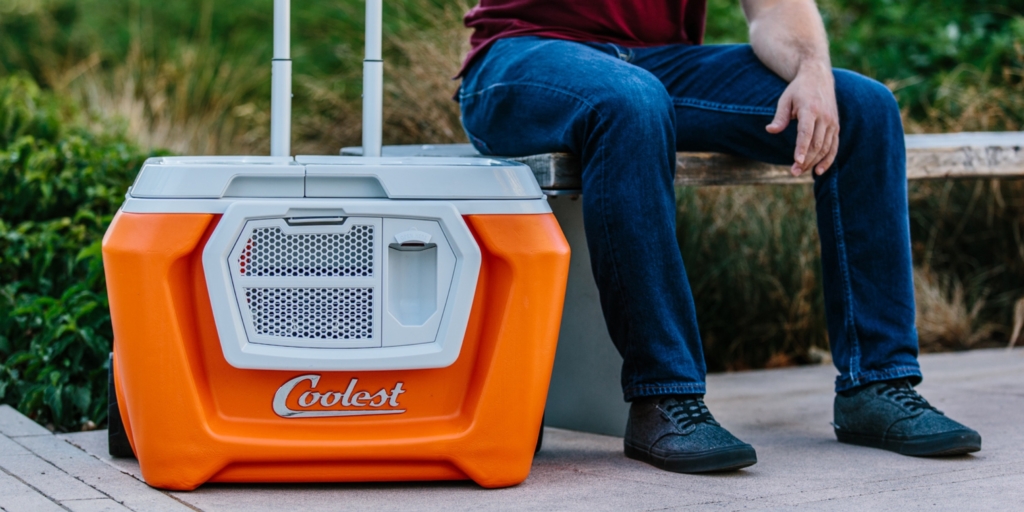
Coolest Cooler: The Ultimate Portable Party Companion
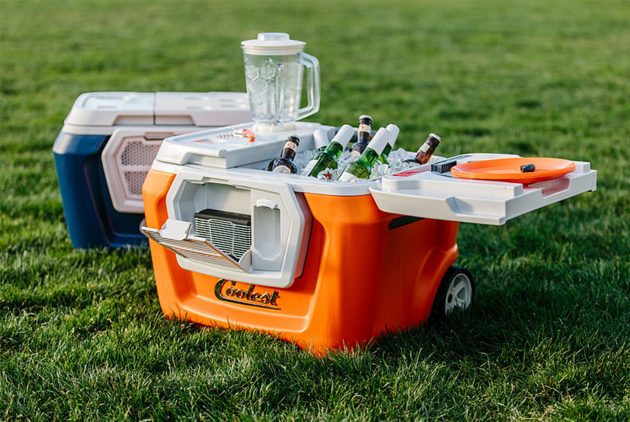
Funding Goal: $50,000
Funds Raised: Over $13 million
In 2014, Ryan Grepper envisioned a futuristic portable cooler priced at an affordable $185. More than just chilling drinks, this cooler featured a built-in blender to mix beverages and crush ice, doubled as a wireless speaker, and included dual USB ports for charging devices. It even had compartments for utensils, a bottle opener, knife storage with protective coating, and LED lighting for nighttime gatherings.
Such innovation captivated picnic lovers worldwide, raising the $50,000 target in just 36 hours and eventually surpassing $13 million. With 56,000 backers eagerly awaiting delivery by February 2015, expectations soared.
However, the reality was disappointing. By summer 2015, only 3,000 backers had received their coolers. Delays were frequent, with explanations ranging from battery issues to shipping challenges. Worse yet, the cooler appeared on Amazon priced at $500—far above the original pledge—leading to criticism that Amazon buyers were effectively subsidizing Kickstarter backers’ shipping costs. As of mid-2016, many supporters were still waiting, turning what was once a celebrated campaign into a cautionary tale of mismanagement.
Skarp Laser Razor: A Shave Into the Future That Never Was
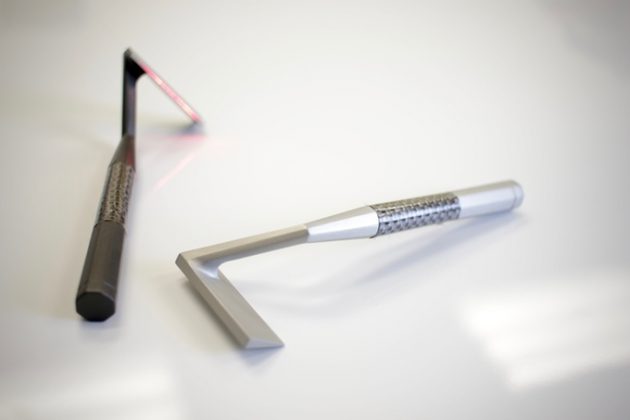
Funding Goal: $160,000
Funds Raised: Over $4 million
Imagine a shave free from cuts, irritation, and expensive blades. Skarp promised just that with a laser razor designed to cut hair precisely using a laser beam powered by a single AAA battery, lasting a month per battery. The concept attracted 20,000 backers and amassed millions.
Despite the hype, skepticism grew due to lack of real product images—only digital renders and vague promises were available. The physics behind a laser capable of safely cutting hair without burning the skin seemed implausible. Demonstration videos, showing the laser cutting a few hairs, only fueled doubts.
Ultimately, Kickstarter shut down the project citing absence of a working prototype. The creators then moved to Indiegogo, where no prototype was required, quickly raising $34,000. However, no real product ever materialized, leading many to consider it a scam.
Zano Nano Drone: A High-Flying Promise That Crashed
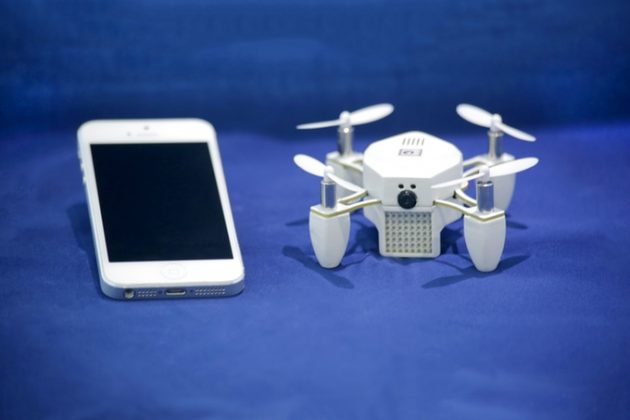
Funding Goal: $190,000
Funds Raised: Over $3.5 million
The Zano drone was designed as a tiny, palm-sized UAV capable of autonomous flight, obstacle avoidance, high-resolution video capture, wireless charging, video stabilization, and even thermal imaging. Controlled via smartphone or hand gestures, it promised simplicity and advanced features.
Despite raising millions and promising deliveries by mid-2015, backers received only a few malfunctioning units that barely lifted off and crashed into walls. Investigations revealed faked demonstration videos and misappropriated funds. The company eventually declared bankruptcy, marking one of Kickstarter’s most notorious failures.
Peachy Printer: Affordable 3D Printing Dreams Deferred
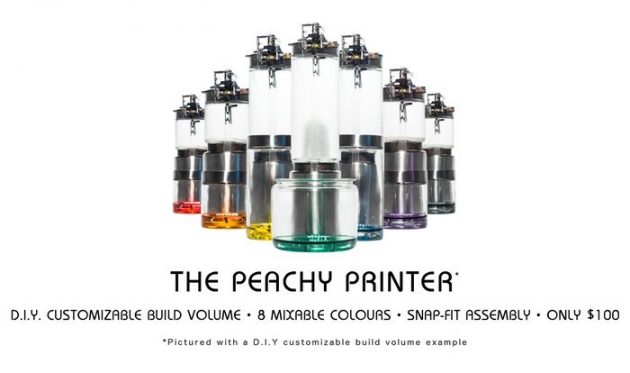
Funding Goal: $50,000
Funds Raised: Over $650,000
Rylan Grayston and David Boe aimed to deliver an accessible 3D printer kit, Peachy Printer, capable of printing multi-colored objects by blending eight colors. Priced at just $100, it attracted significant attention and funding.
However, after raising over $650,000, the project stalled for over two years. Grayston later revealed that Boe had spent most funds on personal expenses, including building a house, and returned only a fraction of the money. Despite limited resources, Grayston pledged to fulfill orders, highlighting the importance of trust and accountability in crowdfunding partnerships.
Ant Simulator: Virtual Ant Life Cut Short

Funding Goal: $4,000
Funds Raised: $4,500
ETeeski set out to create Ant Simulator, a VR game immersing players in the life of an ant—gathering resources, battling, and building. Supporting Oculus Rift and other VR headsets, the project garnered modest funding and anticipation.
Unfortunately, the project collapsed when co-founders squandered the funds on partying and gambling. Developer Eric Tereshinski announced the project's termination, warning about the risks of trusting partners blindly—even close friends.
These stories serve as a reminder that while Kickstarter enables innovation, success demands careful management, transparency, and responsible stewardship. Backers and platforms alike must remain vigilant to ensure dreams become reality rather than cautionary tales.
Discover the latest news and current events in Technologies as of 08-04-2021. The article titled " Top 5 Ambitious Kickstarter Projects That Shockingly Failed " provides you with the most relevant and reliable information in the Technologies field. Each news piece is thoroughly analyzed to deliver valuable insights to our readers.
The information in " Top 5 Ambitious Kickstarter Projects That Shockingly Failed " helps you make better-informed decisions within the Technologies category. Our news articles are continuously updated and adhere to journalistic standards.