

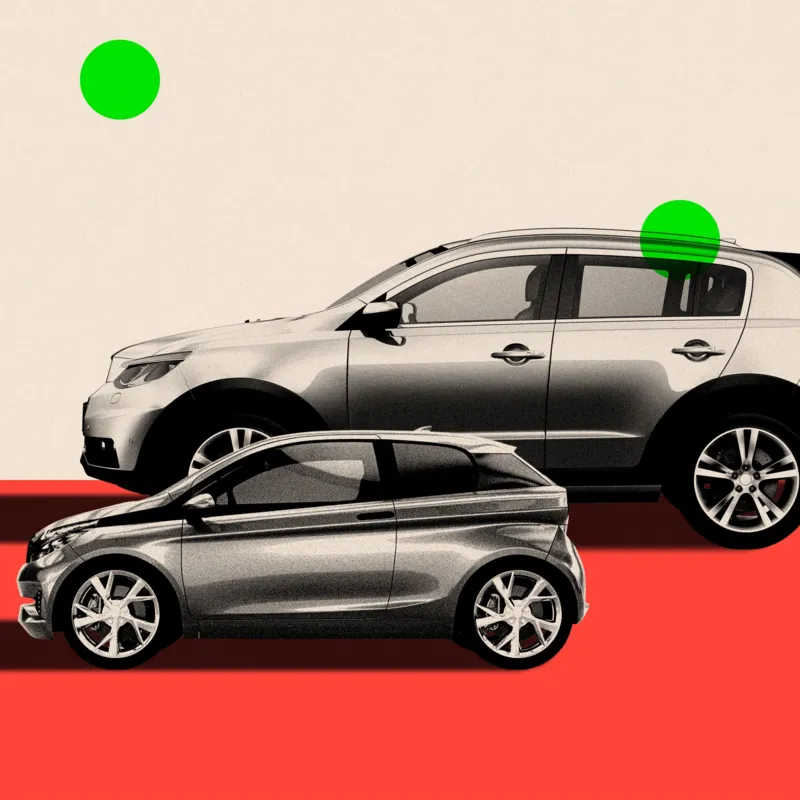

SUVs Are Getting Bigger: The Carspreading Debate Across Europe
Big, heavy cars are increasingly common across Europe, yet cities worry about space, safety, and pollution. Explore the rise of SUVs and what policymakers are considering.
Across Europe, the trend of bigger, heavier cars—often labeled as carspreading—continues to reshape city streets, budgets, and daily life. While buyers prize extra space and a sense of safety, urban leaders are weighing limits to curb congestion and emissions.
Where carspreading is most visible
Paris has long struggled with traffic, and in recent years its approach has included low-traffic zones, better public transport, and restrictions on large vehicles. In October 2024, the city raised on-street parking charges for heavy vehicles after a public vote, lifting costs from €6 (£5.20) to €18 (£15.70) per hour in central areas, and from €75 (£65) to €225 (£196) for longer stays. The mayor, Anne Hidalgo, argued that larger vehicles contribute more to pollution and that these measures accelerate the city’s green transition.
A few months later, authorities claimed a two-thirds drop in very heavy cars parking on city streets, signaling city leadership’s impact on behavior.

Nearby cities, including those in the United Kingdom, are watching these results. Cardiff Council has started charging higher parking-permit fees for vehicles over 2,400kg (about 5,290lb), arguing that heavier cars produce more emissions and cause more road wear, and pose greater crash risks. The plan begins with a narrow group of models and may tighten the weight threshold over time.

Many drivers say they rely on large vehicles for family, work, or accessibility needs. For example, a father of three in the English town of Guildford describes owning a Land Rover Defender 110 as essential for transporting kids, gear, and clients while staying practical and presentable.
'Chelsea tractors': Why SUVs are so popular
The UK and Europe have seen a steady rise in vehicle size. From 2018 to recent years, the average width of new cars increased from about 182 cm (5.97 ft) to roughly 187.5 cm (6.15 ft), according to Thatcham Research. The average weight grew from about 1,365 kg (3,000 lb) to 1,592 kg (3,500 lb).
Data from the International Council on Clean Transportation shows Europe’s average car width increased by almost 10 cm (3.9 in) between 2001 and 2020, with length rising by more than 19 cm (7.5 in). Critics warn this leaves less room on crowded roads and in town centers.
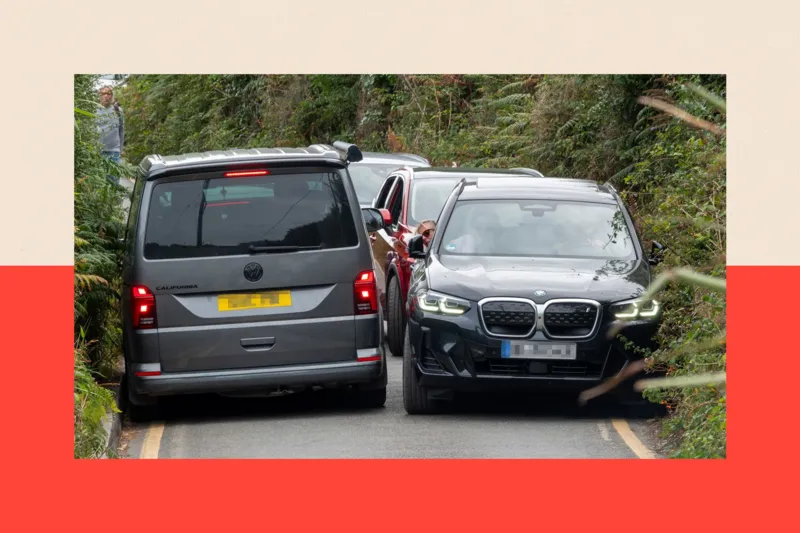
SUVs—often larger crossover models with rugged styling—now dominate many showrooms. The term "Chelsea tractors" is used by some to poke fun at how many drivers use these vehicles in urban areas rather than off-road adventures. Within this family of models, you’ll find practical wagons, luxury variants, and family-focused crossovers—yet most share a common trait: size.
The economics of bigger cars
SUV popularity isn’t just about utility. Manufacturers can achieve higher profit margins on larger, higher-priced vehicles. Industry analysts explain that while core costs exist for any car, economies of scale and the premium on larger designs help push prices up and margins higher for SUVs and similar models. Some crossovers reuse the same underlying platforms as smaller cars, yet command a higher price due to styling and packaging decisions.
Is bigger safer? The safety debate
While many see larger vehicles as safer for their occupants, critics warn they pose greater risks to other road users. Evidence suggests that taller bonnets and larger front structures can increase the danger for pedestrians and cyclists in collisions. Researchers note that as vehicle safety has improved, manufacturers have added weight to strengthen safety zones, which in turn contributes to bigger car dimensions.
Automakers have responded with advanced safety features and sometimes external airbags, but debates continue about how to balance occupant protection with the safety of pedestrians and more vulnerable road users.
Environmental considerations and policy options
Despite gains in efficiency and electrification, the trend toward heavier vehicles like many SUVs has muted some environmental improvements in the wider fleet. Electric SUVs are becoming more common, and the Society of Motor Manufacturers and Traders reports that around 40% of SUVs on sale today are zero-emission. Still, the overall emissions profile depends on energy sources for charging and the vehicle’s weight.
France already imposes special registration charges on very heavy cars: vehicles over 1,600 kg face a charge of €10 per extra kilogram, rising to €30 per kilogram above 2,100 kg. When combined with other emissions penalties, the total cost can be substantial. The idea of applying similar charges in the UK has been floated by campaign groups, who argue that tax policy should reflect the road impact of larger vehicles. Analysts suggest adjusting taxes to make smaller, city-friendly cars more attractive, though ensuring adequate city mobility remains a challenge.
What’s next for cities and car buyers?
Despite continued demand for bigger cars, a wave of newer compact electric models is emerging, including small electric hatchbacks and crossovers from brands like BYD, Leapmotor, Hyundai, Renault, Kia, and Volkswagen. These offerings aim to deliver urban practicality with lower emissions, though some price points and availability will affect uptake.
Industry observers say the SUV era isn’t over, but expect a gradual shift as electric, lightweight designs and smarter urban planning shape future choices. Analysts caution that trends often cycle, and smaller, efficient vehicles will reemerge as technology and business models evolve.
Expert comment: Industry watchers note that consumer demand for space and comfort keeps SUVs popular, especially for families. Policymakers, meanwhile, are testing taxes and urban rules to balance mobility with safety and climate goals.
Short summary: SUVs have grown in size and market share across Europe, driven by a mix of practicality, safety perceptions, and profit potential for manufacturers. Cities are trying to limit their impact through parking rules and weight-based charges, while debates continue about safety and environmental effects. The rise of compact electric models could offer a more balanced path forward, though SUVs currently remain dominant in many markets.
Key insight: The surge of larger, heavier cars reshapes city life and policy, prompting ongoing debates about safety, space, and climate impact. BBC article
Discover the latest news and current events in Tech News as of 19-12-2025. The article titled " SUVs Are Getting Bigger: The Carspreading Debate Across Europe " provides you with the most relevant and reliable information in the Tech News field. Each news piece is thoroughly analyzed to deliver valuable insights to our readers.
The information in " SUVs Are Getting Bigger: The Carspreading Debate Across Europe " helps you make better-informed decisions within the Tech News category. Our news articles are continuously updated and adhere to journalistic standards.