

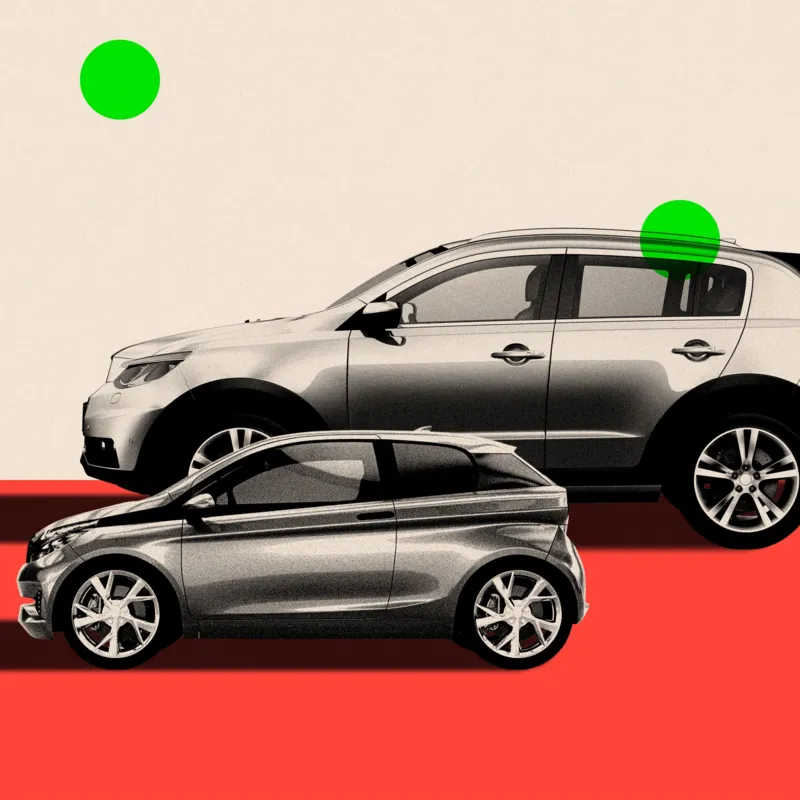

Carspreading on the Rise: Cities Clamp Down on Big Cars
Across the UK and Europe, bigger, heavier cars are popular for practicality and safety, but many cities are testing higher parking fees and new limits to curb pollution, road wear, and risk on busy streets.
Carspreading — the trend of longer, wider and heavier cars — is drawing attention as buyers seek practicality and safety. Across the UK and much of Europe, cities are debating how to respond to this shift, aiming to protect streets, pedestrians, and the climate while keeping mobility smooth.
Why bigger cars appeal
Sales data show consumers gravitate toward larger models because they offer more space for families, better visibility, and a sense of safety on highways. SUVs, in particular, have grown in popularity, becoming a dominant segment in many markets.
Paris: a bold policy stance
Paris has stepped up measures to discourage oversized vehicles, tying parking access to weight. In October 2024, after a public vote, on-street parking charges for heavy vehicles were tripled: one hour in the city centre rose from €6 (£5.20) to €18 (£15.70); six hours increased from €75 (£65) to €225 (£196). Mayor Anne Hidalgo argued that bigger vehicles pollute more and that higher fees would accelerate the city’s environmental transition. In the following months, officials reported a two-thirds drop in very heavy cars parking on streets.
UK cities follow suit: Cardiff and beyond
In the United Kingdom, Cardiff City Council has raised parking permit costs for vehicles over 2,400 kg (about two small family cars). Officials say heavier vehicles typically emit more, cause more road wear, and pose higher crash risks. The plan starts with a limited number of models but is designed to lower the weight threshold over time. Other local authorities are considering similar steps as part of a broader effort to manage urban traffic and emissions.
Real people, real needs
Many motorists rely on large cars for work and family life. For example, Matt Mansell in Guildford uses a Land Rover Defender 110 to shuttle clients and kids, noting the vehicle’s size helps carry people and equipment—often a door or a long pipe fits in the boot too.
Why SUVs dominate—and what that means for safety
Across Europe, the average car has grown wider and heavier over the past decade. Thatcham Research records the UK’s average new-car width rising from 182 cm in 2018 to about 187.5 cm today, while average weight climbed from 1,365 kg to 1,592 kg. Similar trends show up in European data from 2001 to 2020, with increases in width and length. Critics worry that more space taken by large vehicles leaves less room on crowded roads.
Safety, design, and the price of size
Experts say safety regulations have pushed manufacturers to add stronger structures and more airbags, which can increase weight. At the same time, car interiors gain features and space, reinforcing the tendency toward larger dimensions. Yet bigger cars can present higher risks to pedestrians and cyclists, and tall bonnets may reduce visibility in urban traffic. Some brands have experimented with external airbags to protect vulnerable road users.
Environmental impact and the electric path
Even with efficiency gains, heavier SUVs tend to emit more than smaller cars. The International Energy Agency notes that SUV sales have limited the overall emission improvements from cleaner, electrified fleets. The mobility sector hopes electrification will narrow the gap, though the grid’s energy mix matters—electric cars powered by fossil-fuel electricity still pollute more per mile than efficient petrol cars in some contexts. About 40% of SUVs are now zero-emission, and advocates argue that SUV sales helped accelerate decarbonisation in the UK.
Policy ideas from France and what the UK could do
France already enforces a weight-based registration tax for cars heavier than 1,600 kg, charging €10 per extra kilogram. The tax climbs in bands, reaching €30 per kg above 2,100 kg. When combined with other penalties, new-car costs can rise substantially. Transport and Environment argues that the UK could adopt a similar levy to discourage very heavy models. Analysts say tax reforms could steer buyers toward smaller, city-friendly cars, but ensuring a steady supply of affordable runabouts in urban areas remains a challenge.
Small electric cars: a coming trend?
Meanwhile, several compact electric models have entered or are entering the market, offering affordable city mobility. Examples include BYD’s Dolphin Surf, Leapmotor’s T03, Hyundai’s Inster, and Renault’s new 5. Soon, Kia’s EV2 and VW’s ID Polo are expected to arrive. For now, SUVs remain in the lead, but the shift toward small EVs is gaining ground.
Conclusion
People clearly love SUVs for their practicality and perceived safety, but cities are testing pricing and zoning tools to curb growth and protect urban life. As electric technology matures, smaller, affordable city cars could make a stronger comeback, reshaping car ownership in the years ahead.
Expert comment
David Leggett, industry analyst, notes that tax tweaks could tilt buyers toward smaller city cars, while acknowledging that ensuring enough practical, affordable options remains a challenge.
He also emphasizes the need to balance policy with market realities to avoid shortages of useful urban runabouts.
Summary
Big cars remain popular for space and safety, but cities are testing fees and limits to curb growth and pollution. The debate ties together road safety, urban space, and emissions, with France testing weight-based levies and the UK considering similar steps. Industry voices point to higher profits from larger models, yet a growing push for smaller electric cars could reshape the market as technology and policy evolve.
Key insight: Urban policy and pricing are being used to steer demand toward smaller, cleaner vehicles, even as demand for large SUVs persists. Source: BBC News
Discover the latest news and current events in Tech News as of 19-12-2025. The article titled " Carspreading on the Rise: Cities Clamp Down on Big Cars " provides you with the most relevant and reliable information in the Tech News field. Each news piece is thoroughly analyzed to deliver valuable insights to our readers.
The information in " Carspreading on the Rise: Cities Clamp Down on Big Cars " helps you make better-informed decisions within the Tech News category. Our news articles are continuously updated and adhere to journalistic standards.