

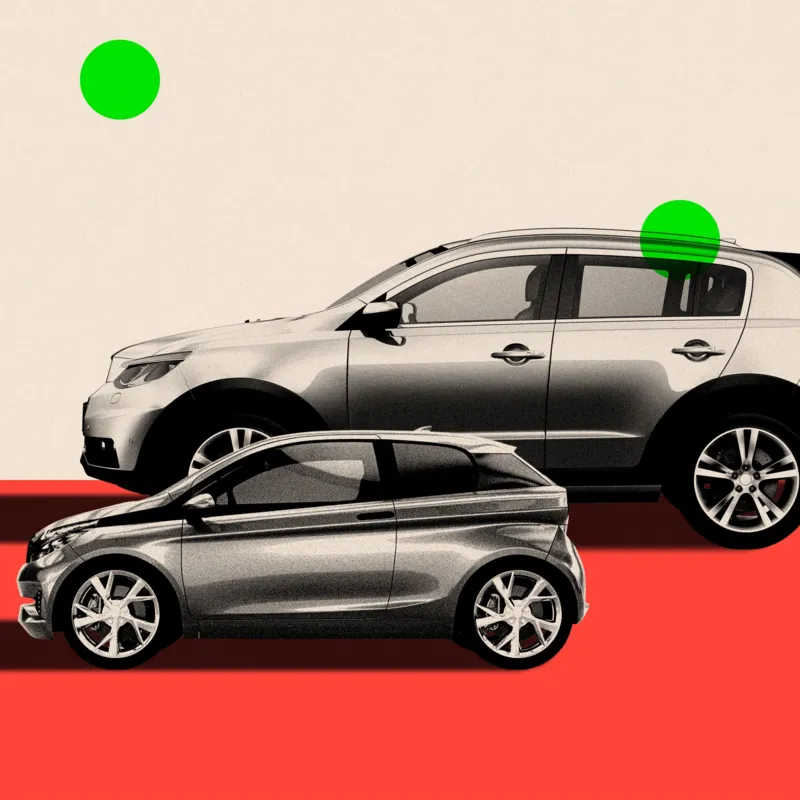

SUV Growth Sparks Debate: Are Cities Ready for Carspreading?
Bigger, heavier vehicles are rising in the UK and Europe, fueling debates about traffic, safety, and urban policy as cities test limits, charges, and incentives.
Bigger, heavier cars are increasingly common on streets across the United Kingdom and much of Europe. This trend, often called carspreading, brings practical benefits but also challenges for cities aiming to cut pollution and improve road safety.
The SUV surge and its footprint
Since 2018 the average width of new cars rose from 182 cm to about 187.5 cm, while weight climbed from 1,365 kg to 1,592 kg, according to Thatcham Research. Across Europe, width grew by around 10 cm and length by more than 19 cm between 2001 and 2020.
Critics warn that there is less space on crowded roads and in town centres for ever-larger vehicles. The rise of sport utility vehicles, or SUVs, is linked to higher seating, better visibility, and a sense of safety on faster roads. Most SUVs stay on paved roads, but their size has earned them the nickname Chelsea tractors.
In Paris, city leaders have used zoning, public transit investments, and restrictions on large vehicles to push a shift toward smaller, cleaner mobility. In October 2024 the city trebled on-street parking charges for visiting heavy vehicles, with the one-hour rate rising to £15.70 in the city centre and the six-hour charge to £196.
Paris Mayor Anne Hidalgo argued that larger cars pollute more and that higher charges accelerate the transition to cleaner transport and reduced air pollution.
A few months later city authorities said the number of very heavy cars parking on streets had fallen by about two-thirds.
Why people still buy large cars
Despite policy moves, many owners rely on big vehicles for family life and work. For example, a parent in Guildford says a large SUV helps ferry children and equipment and even fits long items like pipes or a door when needed.
The safety and business case
The surge in SUVs is not limited to mass-market brands. Porsche relies on crossovers such as the Cayenne and Macan, while Bentleys Bentayga accounts for a sizeable share of its sales and Lamborghinis Urus helps growth. Analysts say bigger models can be more profitable due to manufacturing economics and shared platforms.
Smaller cars also benefit from the space created by larger platforms, which can command premium prices without proportional cost increases, according to industry experts.
The safety and environmental debate
Even smaller cars have grown. The current Golf is wider and longer than the original, and heavier as safety has evolved. Safety experts note that taller, heavier cars can raise risk for pedestrians and cyclists, and that better design now tries to protect vulnerable road users with features such as external airbags.
The International Energy Agency notes that SUVs emit more on average than the typical car, offsetting gains from efficiency. The shift to electric vehicles should cut daily emissions, but if electricity comes from fossil fuels the benefits are reduced. About 40% of SUVs are now zero-emission, and overall SUV CO2 has fallen since 2000, helping decarbonisation of road mobility.
France model and the policy debate
France already applies extra registration taxes to vehicles weighing more than 1,600 kg, charging per-kg penalties that rise with weight. The current scheme translates to about £8.70 per extra kilogram above the threshold and up to about £26.20 per kg at higher weights; combined with other charges, the total can reach roughly £61,000 for a new car. Transport and Environment argues that the UK should consider a similar levy.
Policy experts say tax reforms could nudge buyers toward smaller city cars, though affordable small electric models remain limited in supply.
Electric small cars enter the market
Several affordable small electric models have arrived, including BYD Dolphin Surf, Leapmotor T03, Hyundai Inster, and Renault 5. They will be joined by Kia EV2 and VW ID Polo. For now, SUVs remain dominant, but the market may shift as prices and ranges improve.
What this means for cities
Policymakers continue to balance practicality with safety, congestion, and emissions goals. While SUVs are unlikely to disappear soon, urban planners are pushing for smarter design and a broader mix of affordable electric models to support a greener, safer city landscape.
Expert comment
Expert comment A transport policy analyst notes that the appeal of larger vehicles remains strong, but cities can guide mobility with targeted charges and better urban design. The industry shows it can deliver more compact, affordable electric models as demand shifts.
Summary
In short, the rise of large cars shapes streets and policy across the UK and Europe. While many drivers value space and safety, cities test higher charges and weight-based fees to steer mobility toward cleaner, safer streets. The shift to electric small cars offers a path forward, but SUVs are unlikely to vanish soon.
Key insight: Bigger cars bring practical benefits but pose safety and urban planning challenges; cities are experimenting with charges and incentives to steer mobility toward safer, cleaner streets. Source: BBC News
Discover the latest news and current events in Tech News as of 19-12-2025. The article titled " SUV Growth Sparks Debate: Are Cities Ready for Carspreading? " provides you with the most relevant and reliable information in the Tech News field. Each news piece is thoroughly analyzed to deliver valuable insights to our readers.
The information in " SUV Growth Sparks Debate: Are Cities Ready for Carspreading? " helps you make better-informed decisions within the Tech News category. Our news articles are continuously updated and adhere to journalistic standards.