


Spain's Renewable Push Tested by Politics as Figueruelas Plant Breaks Ground
A £7.2 billion battery factory in Figueruelas signals Spain's renewable push amid political scrutiny, storage debates, and grid stability concerns.
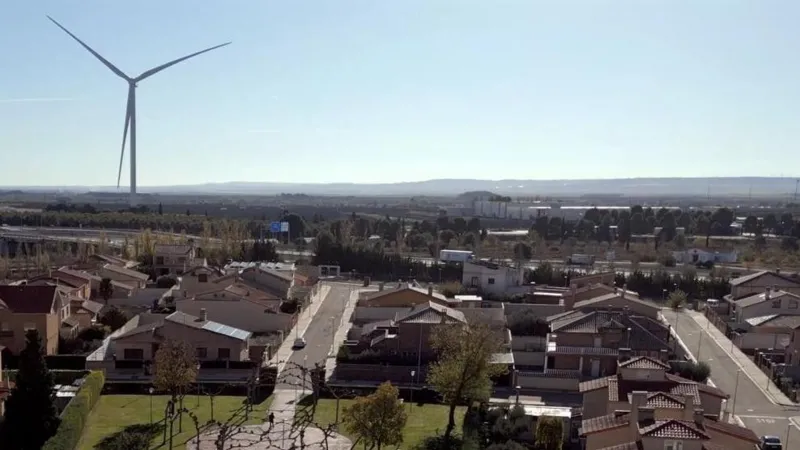
Figueruelas, a small town in Aragon, has taken on a symbolic role in Spain's ambitious energy plan. The sight of a giant wind turbine on the town's edge hints at a broader shift toward clean power across the region.
nA landmark investment in Aragon
nThe new battery factory is a collaboration between Chinese battery maker CATL and the multinational carmaker Stellantis. The project comprises roughly £3.5 billion from the euro portion and about £3.7 billion from the dollar portion, totaling around £7.2 billion in British pounds.
nOfficials say the plant will be powered by energy from nearby renewables, capitalizing on Aragón's wind and sun. Yao Jing, China's ambassador to Spain, described it as one of the biggest Chinese investments Europe has ever seen.
n n
nMayor Luis Bertol Moreno explains why Figueruelas was chosen: the area is surrounded by wind farms and solar plants, ensuring a stable energy backdrop for heavy industry.
nThe project aligns with Spain's energy strategy, which has shifted toward renewables. In 2017, renewables supplied about one third of electricity; last year, they accounted for more than half. The government aims for renewables to cover about 81% of electricity by 2030.
nRenewables and the political crosswinds
nThe spring blackout on 28 April sparked a fierce political debate about reliability and the pace of the green shift. The opposition argued that heavy reliance on renewables could endanger grid stability, calling for a rethink of the energy model. The week before the outage, solar generation across mainland Spain reached a mainland record of about 61.5% of the electricity mix, a figure cited by critics as evidence of volatility. The government and the grid operator Red Eléctrica de España said the outage was not caused by renewables and pointed to a combination of factors, including an unknown event with voltage fluctuations; investigations continue and a cyberattack has been ruled out.
nSince April, the energy mix has leaned more toward natural gas, prompting questions about Spain's energy path.
n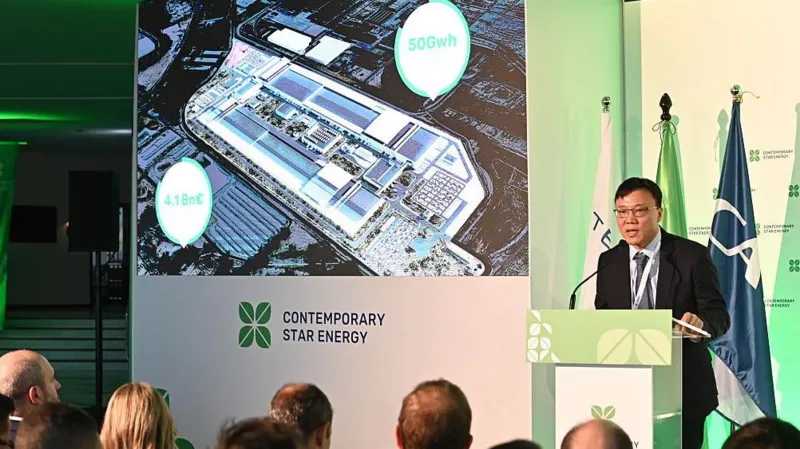 n
nNuclear debate and storage challenges
nSpain's five operating nuclear plants provide about 20% of the nation's electricity. Following the blackout, industry voices urged extending the life of these plants, arguing that nuclear offers stable, low‑carbon power while renewables grow. Almaraz, the first plant slated to close between 2027 and 2035, has asked for a three‑year extension to 2030, a request under review.
nIgnacio Araluce, president of Foro Nuclear, says Spain is unusual in scheduling plant closures while others pursue new reactors. He argues that a mixed approach—renewables complemented by nuclear—offers reliability and ongoing emissions reductions. He notes renewables are clean but intermittent, so storage and firm baseload power remain essential.
n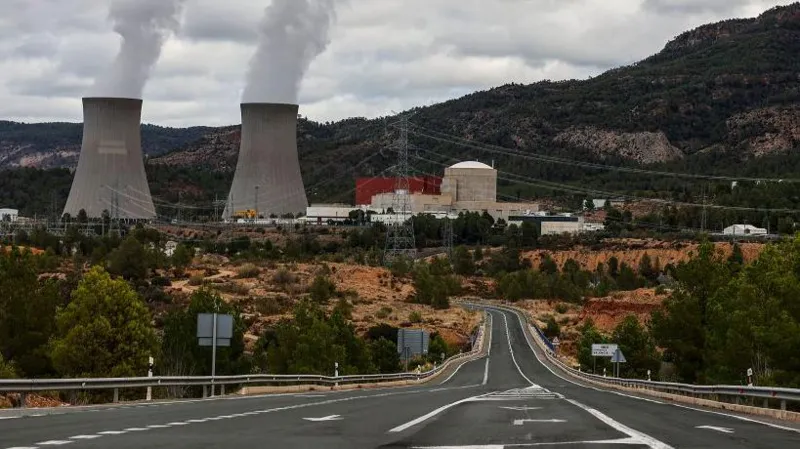 n
nLocal impact and future outlook
nThe Figueruelas plant is expected to create thousands of jobs: 2,000 Chinese workers will come to the town during construction, and up to 35,000 indirect roles may arise once the factory is running. Local resident Manuel Martín says such investments revive the local economy, supporting construction, hospitality, and other services, and that energy from renewables feels effectively free thanks to sun and wind.
nExpert comment: An energy policy analyst notes that Spain's strategy is moving toward a more diversified mix, but storage capacity must improve to keep the grid reliable as renewables grow. A balanced approach combining renewables with low‑carbon baseload options will be key to stability.
nSummary
nSpain continues its renewable transition, with the Figueruelas project illustrating confidence in wind and solar while underscoring the need for storage and baseload options. The political climate adds uncertainty, particularly around nuclear policy and grid resilience. Yet, Madrid remains committed to a greener economy that could bring jobs and cheaper energy for households.
nKey insight: Spain's energy future depends on balancing renewables with storage and stable, low‑carbon baseload options; the Figueruelas plant serves as a test case for this approach. BBC News
Discover the latest news and current events in Economics as of 19-12-2025. The article titled " Spain's Renewable Push Tested by Politics as Figueruelas Plant Breaks Ground " provides you with the most relevant and reliable information in the Economics field. Each news piece is thoroughly analyzed to deliver valuable insights to our readers.
The information in " Spain's Renewable Push Tested by Politics as Figueruelas Plant Breaks Ground " helps you make better-informed decisions within the Economics category. Our news articles are continuously updated and adhere to journalistic standards.