


Spain's Renewable Push Faces Tests as Figueruelas Battery Plant Opens
A €4 billion battery factory in Figueruelas marks a milestone in Spain's green transition amid political shifts, renewables growth, and debates on storage and nuclear power.
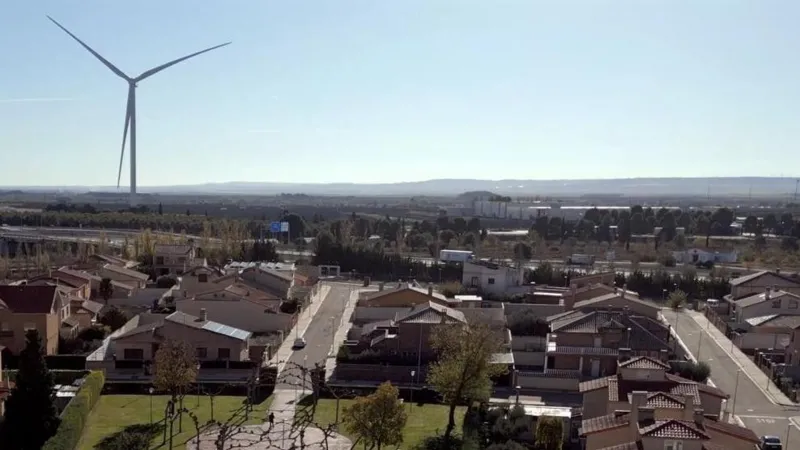
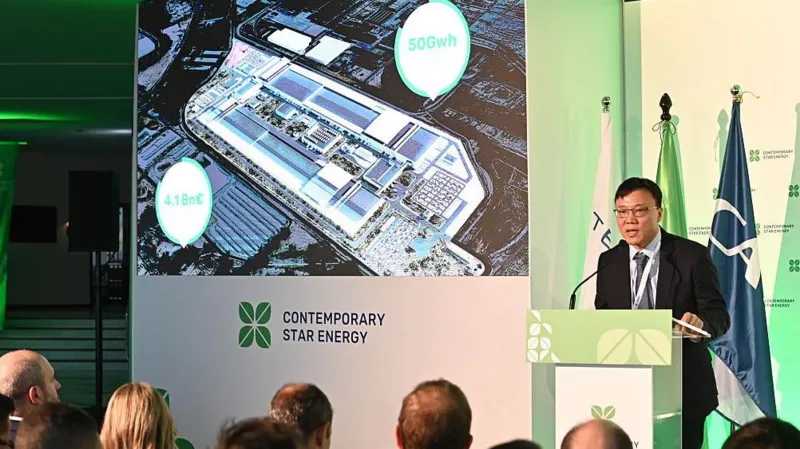
On the outskirts of Figueruelas, a towering wind turbine turns steadily, a constant reminder of the area's wind and sun resources. Nearby, a new battery factory led by a CATL-Stellantis joint venture marks a major milestone in Spain's green transition.
The project, valued at €4 billion, aims to harness local renewable energy to power production. The town’s mayor notes that Aragón's climate—plenty of wind and sunshine—makes the location ideal for this kind of investment.

The Figueruelas site is a symbol of Spain's energy model, which prioritizes renewables. In 2017, renewables accounted for about one third of the country’s electricity, and last year they reached around 57%. The government aims for an 81% share by 2030.
Renewables growth and a 2030 goal
Spain has steadily increased the role of wind, solar, and hydro in its power mix. The move toward green energy is a cornerstone of national policy, even as critics call for balancing reliability and costs.
April blackout and political debate
At the end of April, a widespread power outage affected homes, businesses, schools, and public services across Spain and parts of Portugal for several hours. While solar and wind were at record levels just days earlier, officials emphasized that the outage resulted from a combination of factors, not solely the share of renewables. Opposition leaders argued the incident highlighted the need to re-evaluate the energy mix, while the government framed it as an isolated event; investigators are still determining the exact cause, and a cyberattack has been ruled out.
Since April, the electricity mix has shifted somewhat toward natural gas to bolster reliability, underscoring the country’s energy crossroads.
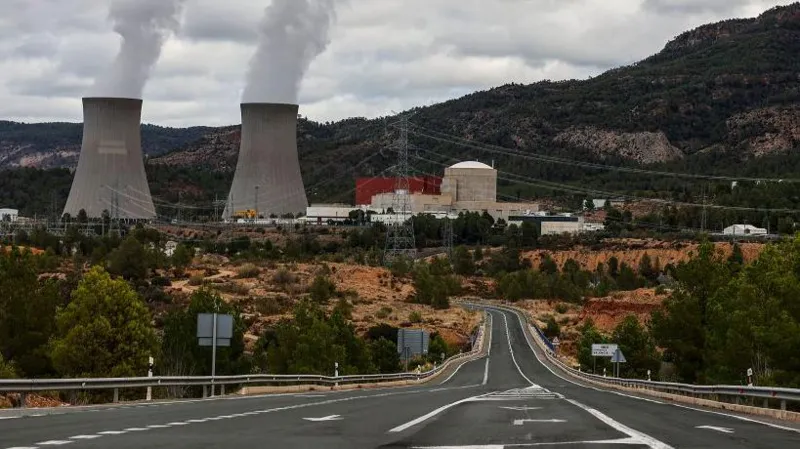
Spain’s nuclear sector, which currently delivers about 20% of the country's power, has become a focal point since the blackout, with calls from industry groups to keep reactors online longer. Five plants are slated for gradual closure between 2027 and 2035, though some operators have sought extensions.
Storage and grid challenges
Experts say the system still needs better storage solutions and greater interconnection with Europe. The Iberian peninsula is relatively isolated from the wider EU grid, and storage capacity remains a gap as renewables expand.
Expert comment
Expert comment: Ignacio Araluce, head of Foro Nuclear, argues that a prudent mix of renewables and nuclear provides a stable, low-emission power supply. He notes renewables are clean but cannot guarantee round-the-clock power, so a baseload option helps ensure reliability.
Summary
Spain remains committed to expanding renewable energy, even amid political uncertainty. The Figueruelas battery plant demonstrates ongoing investment in green technology and job creation, while debates over storage, grid integration, and the future role of nuclear continue. The energy system is at a crossroads as the country pursues higher green shares by 2030.
Key takeaway: Spain’s energy transition continues despite political headwinds, storage gaps, and debates about nuclear power, with major investments like the Figueruelas plant signaling ongoing momentum. Source: BBC News
Discover the latest news and current events in Economics as of 19-12-2025. The article titled " Spain's Renewable Push Faces Tests as Figueruelas Battery Plant Opens " provides you with the most relevant and reliable information in the Economics field. Each news piece is thoroughly analyzed to deliver valuable insights to our readers.
The information in " Spain's Renewable Push Faces Tests as Figueruelas Battery Plant Opens " helps you make better-informed decisions within the Economics category. Our news articles are continuously updated and adhere to journalistic standards.