


Robots and Craft: Balancing Automation in Scotland’s Bakeries
Explores how Scottish bakers blend automation with handmade techniques, from Tunnock’s caramel wafers to cake-decorating robots, and what it means for workers and profits.
Automation is reshaping the food industry, but many bakeries want to keep the human touch. From Glasgow to London, facilities blend robotics with skilled hands to preserve tradition while raising output.
Inside Tunnock’s: caramel and wafer making
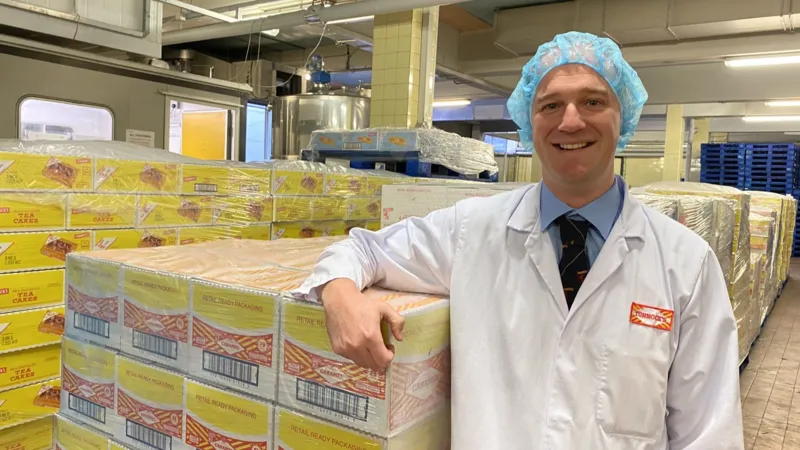
In a factory just outside Glasgow, caramel is produced and layered into the classic wafer biscuits. The molten caramel travels along a multi‑storey conveyor, moving from one floor to another and filling the air with a sweet, warm aroma. A team of 12 operators checks texture by feel, ensuring the caramel is just right as it is spread in five thin layers to form the wafer snack.
Stuart Louden, the company’s engineering and transport manager and a fifth-generation member of the Tunnock family, says they produce roughly 20 tonnes of caramel each day. He notes that the team relies on sensory checks, with staff squeezing the caramel to judge its consistency.
After caramel is made, it is carried by a belt to the lower floor where the spreading team works. Spreading caramel onto wafers is very sticky work, which is why automation handles some stages at night while humans provide the necessary flexibility and space efficiency during the day.
Overall, the combined effort of machines and people produces about 7 million wafer bars and 4.5 million tea cakes each year. The challenge is to grow output without compromising the brand’s long‑standing methods and flavours.
Hugely automated lines vs. traditional wrapping
To keep costs and speed up production, some tasks on the line are automated, including caramel spreading during off-peak hours. Yet humans remain essential for adapting to small changes in the process and for quality control. A traditional wrapping method folds the wrapper around the product rather than sealing the ends, a design choice that preserves the familiar look and feel of the treat. Moving to end‑sealing could speed up production, but the current method sustains the product’s identity.
For many customers, a caramel wafer is a nostalgic treat; the company believes automation should not erase that connection.
HIRO: a future‑oriented cake decorator
New robotics are entering cake decoration with HIRO, a robot arm developed by Unifiller (part of Coperion). HIRO can handle a variety of toppings, including caramel, using standard pastry bags and decorating tips. The aim is to keep the decorating fast and precise while staying easy to clean. The robot hardware comes from Swiss company Stäubli, chosen for its cleanability and reliability.
But bakers face a key challenge: cakes vary in shape and size. Unlike many other products, a cake on a line may be slightly off‑center or domed, which requires adaptive software and sensors to avoid misapplication and waste.
The Bread Factory: London’s ongoing balance of hands and automation
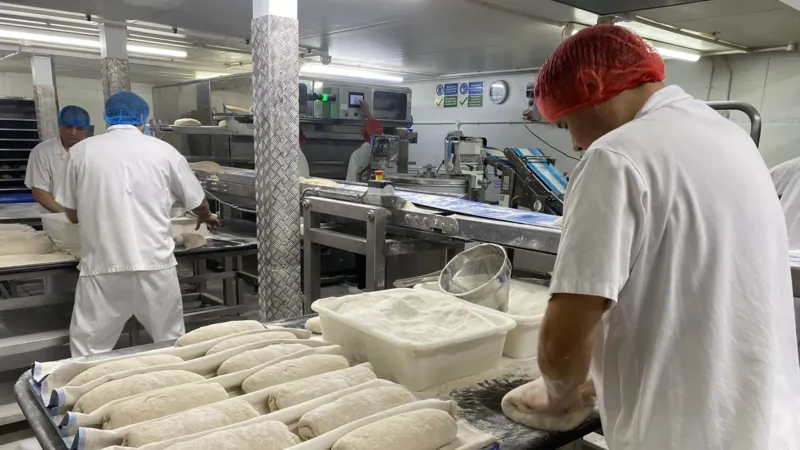
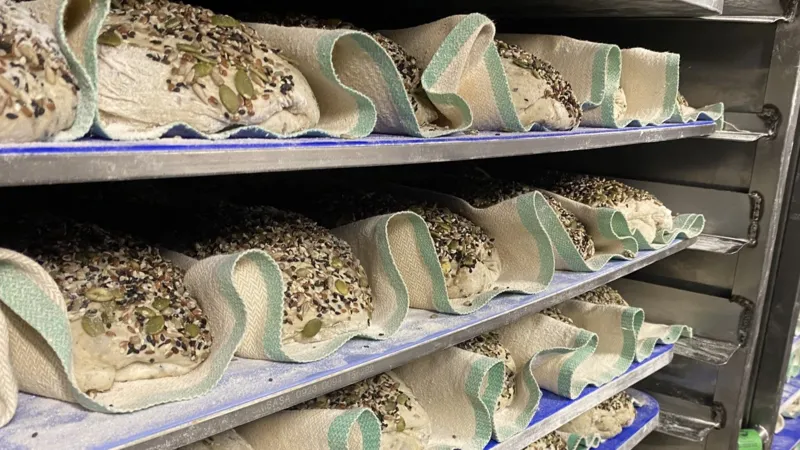
In northwest London, The Bread Factory operates around the clock, supplying Gail’s cafés and other retailers with sourdough and other loaves. About 16 tonnes of flour are turned into as many as 40,000 loaves each day. Machines mix the dough and portion it, but skilled bakers shape and handle the dough with care to preserve a delicate crumb and texture. The bakery sources sustainable flours that promote soil health, underscoring a broader shift toward responsible production.
The head baker, Anomarel Ogen, notes that human hands remain essential even as automation grows. The flexibility of staff allows quick recipe tweaks and adjustments to the baking process when needed, demonstrating that automation works best when it complements skilled labor rather than replaces it.
Experts weigh in: blending automation with craft
Industry observers agree that a hybrid model is key. Craig Le Clair, a principal analyst at Forrester, argues that automation should enhance consistency and speed while protecting the craft’s human center. He emphasizes that technology should be applied to tasks that benefit most from reliability, not replace the artistry involved in finishing a product.
At the equipment level, developers like Coperion are refining sensor and safety systems to make robotic tools unobtrusive. The goal is to help staff work more efficiently without compromising control over the process.
Investment considerations and the cost of caution
For Glasgow’s Tunnock’s, any large purchase must be weighed against volatile cocoa prices and broader economic conditions. The company is eyeing a multi‑million‑pound upgrade, but timing is critical to avoid jeopardizing financial stability.
Summary
Automation can raise output, but the strongest progress comes from blending robotics with skilled craftsmanship. The stories of Tunnock’s, HIRO, and The Bread Factory show that a hybrid approach—where machines handle repetition and humans manage nuance—offers scalability without sacrificing tradition. Ongoing attention to hygiene, flexibility, and staff involvement remains essential.
Automation works best when it enhances craftsmanship rather than erases it, creating a hybrid model that preserves the soul of handmade baked goods. BBC News
Discover the latest news and current events in Economics as of 19-12-2025. The article titled " Robots and Craft: Balancing Automation in Scotland’s Bakeries " provides you with the most relevant and reliable information in the Economics field. Each news piece is thoroughly analyzed to deliver valuable insights to our readers.
The information in " Robots and Craft: Balancing Automation in Scotland’s Bakeries " helps you make better-informed decisions within the Economics category. Our news articles are continuously updated and adhere to journalistic standards.