



How to Maintain a Healthy Diet When Work Consumes All Your Time
Discover practical tips for balanced eating during busy workdays, including why to avoid business lunches, the benefits of keeping nuts at your desk, and the best ways to order ready-made meals with Good Food's meal delivery service.
Learn why skipping business lunches and always having a pack of nuts at the office can improve your nutrition, with insights from the ready meal service Good Food.
1. Avoid Eating on the Go
It might seem like grabbing a quick snack like a shawarma or a hot dog on your way to work saves time—you get breakfast and make it to the office by 9 AM. While this is true, it often leads to overeating and potential weight gain over time. Plus, the unhealthy nature of fast food only adds to the risks.

The best solution is to wake up a bit earlier. If that’s challenging, prepare your food in advance and enjoy breakfast at the office.
2. Skip Business Lunches
Business lunches may seem designed for busy professionals, but they aren’t always the healthiest choice.
Firstly, cooking at home is usually more cost-effective—just compare the price of ingredients to restaurant dishes. Secondly, business lunches are designed to leave you full and satisfied, but they often lack balanced nutrition and controlled calorie portions.
Heavy lunches can cause afternoon drowsiness and reduce productivity. Research shows that post-meal fatigue is common, and one key recommendation to stay alert is to eat smaller, more frequent meals rather than a large three-course lunch in 30 minutes.
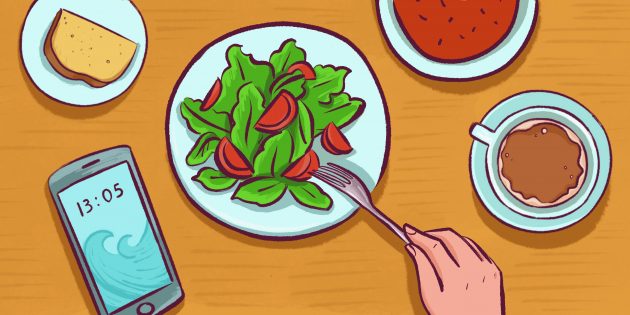
To tackle this, prepare meals at home and divide them into several portions. If cooking after work feels exhausting, try ready meal services to enjoy diverse, nutritious food.
Good Food offers meal plans with three or five meals daily, available in three categories: “Standard” with budget-friendly menus, “Premium” featuring top-quality ingredients, and “Seafood” without meat but rich in fish and shellfish. Each category includes four options with varying calorie counts.
This isn’t a diet of just radishes and salad leaves—Good Food’s budget plans include premium items like salmon, shrimp, and beef steaks.
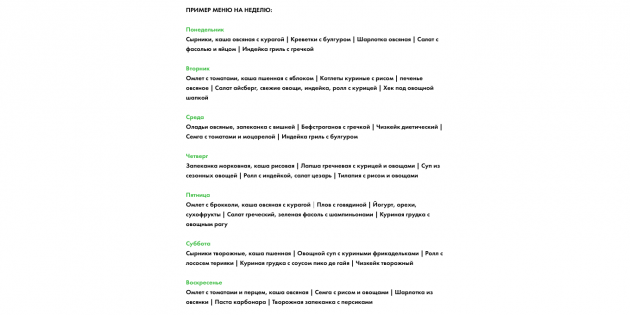
Healthy meal sets start at around $70 for five days of five meals per day, saving you time and money on cooking or dining out.
3. Don’t Eat at Your Work Desk
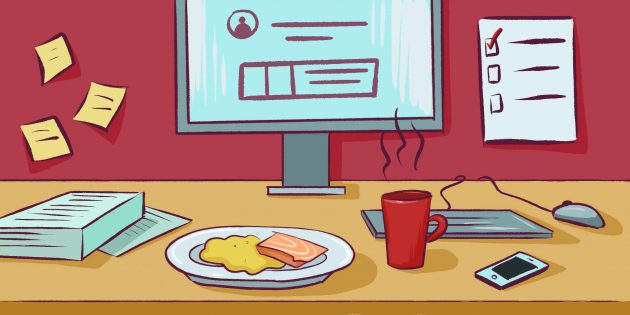
This advice is crucial for freelancers working from home and office employees alike.
Your brain needs about 20 minutes to register fullness, but if you eat while working, reading, or watching videos, it takes longer. This often leads to overeating.
Eating away from your desk also helps maintain a healthy boundary between work and rest. Lunch should be a well-deserved break, free from work-related thoughts or tasks.
4. Schedule Meal Times as Work Tasks
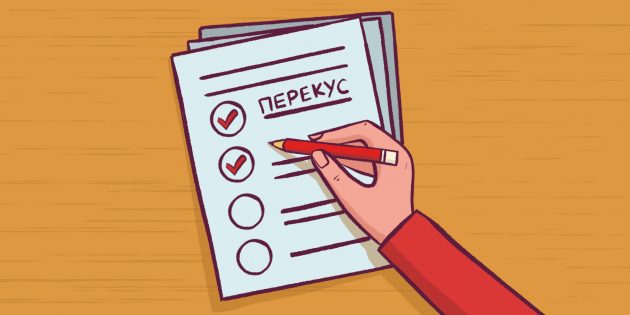
Train yourself to eat at consistent times. Incorporate meals and snacks into your daily checklist to avoid hunger during busy periods and better plan your workload.
For example, have lunch at 1 PM. Schedule demanding tasks before lunch and lighter meetings or routine work afterward, easing into your evening rest. If possible, include three small snacks spaced every two to three hours for sustained energy.
With Good Food, maintaining a regular eating schedule is easy. Couriers deliver meals to your office on time, so you only need to plate and heat your food.
5. Master Quick Cooking
Preparing breakfast, lunch, dinner, and snacks shouldn’t consume all your free time. Practice cooking quickly, creatively, and spontaneously. Here are some ideas:
- Find recipes for healthy sandwiches. For breakfast, enjoy coffee with whole-grain bread topped with vegetables, chicken breast, or smoked salmon. If your diet restricts this, oatmeal is a quick alternative.
- Snack on items that require no preparation: nuts, berries, fruits, dried fruits, bran crackers, or dark chocolate. Keep portions moderate to ensure these remain snacks, not constant grazing during work.
- Bring a simple blender to the office to make fruit and berry smoothies. Add milk, kefir, or yogurt to make them more filling.
- Bring salad ingredients and assemble fresh salads in the office kitchen. Quickly chop tomatoes, avocado, and add mozzarella for lunch. Experiment with combinations like corn, seaweed, and crab sticks. For extra satiety, serve on bread or wrap in flatbread.
6. Collaborate with Colleagues

Keep strategic office snacks like apples, bananas, nuts, crackers, fruit chips, and chocolate stocked daily. In small teams, coordinate who brings what.
Turn office eating into a social activity. Perhaps someone bakes an excellent apple pie from a family recipe, while another enjoys French cuisine. Suggest weekly potlucks where colleagues share signature dishes and enjoy meals together.
7. Cook in Advance
Preparing meals for several days saves time. Portion food into containers and bring them to the office. Remember storage guidelines: cooked chicken lasts up to three days refrigerated, and salads stay fresh longer if dressed just before eating.
If cooking isn’t your preference, delegate it to professionals. Subscribing to Good Food’s meal plans provides diverse, fresh dishes daily. Good Food delivers three meals per day for the “Weekdays” plan and two meals daily for the seven-day plan, directly to your workplace—no need to carry lunch boxes.
If you have dietary restrictions or preferences, Good Food customizes your meal sets. You can exclude all fish varieties, only white fish, or omit certain food groups like grains or soups.
*Note: Meta Platforms Inc. and its social networks Facebook and Instagram are restricted in certain regions.
Discover the latest news and current events in Career & Education: Unlocking Productivity as of 10-04-2022. The article titled " How to Maintain a Healthy Diet When Work Consumes All Your Time " provides you with the most relevant and reliable information in the Career & Education: Unlocking Productivity field. Each news piece is thoroughly analyzed to deliver valuable insights to our readers.
The information in " How to Maintain a Healthy Diet When Work Consumes All Your Time " helps you make better-informed decisions within the Career & Education: Unlocking Productivity category. Our news articles are continuously updated and adhere to journalistic standards.