

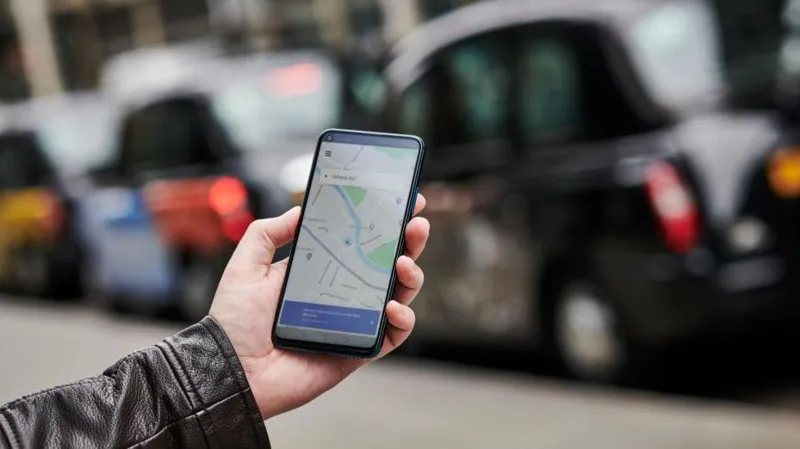

Are tracking apps okay for monitoring adult children?
Experts say consent matters, but many British families use location-sharing apps to check in on grown children, balancing safety with trust and independence. A Unite Students survey reveals real-life usage.
Location-tracking apps for adult children spark a lively debate about care, safety, and growing independence. While some families see them as a practical safety net, others worry they curb personal freedom.
Why families use location-sharing tools
A Unite Students survey of 1,027 parents of first-year university students in the United Kingdom shows that 67% use a location-tracking app, while only 17% report daily contact with their child. The data signals a shift from constant check-ins to more quiet, ongoing monitoring.
Experts emphasise that the choice is personal, but many health professionals encourage letting young adults build independence for their wellbeing in the long run. They warn that overreliance on devices can hinder resilience and real-life problem solving.
Family stories from across Britain
In rural South Wales, Steven Medway uses Life360 to stay connected with his grown daughter when she studies away from home. He says the app helps him know if she is safe and where she is, especially when she visits friends or travels within the region.
When Martha began studying at the University of Reading in September, the family kept using the app. He explains that if she goes to parties or returns late to her halls, the tracker simply helps him know she has returned, rather than pressing for constant updates.
He stresses that Martha is independent and has travelled alone, including a month in Japan and interrailing across Europe, so he is used to her being away. If she ever wants to switch off the tracker, she can, and he would respect her choice.

In Swansea, pub landlady Maria Connolly relies on the app for her autistic son Owain, who is 19 and studying away from home. She says the tracker gives peace of mind and helps remind him to stay active and keep his phone charged.
She describes balancing freedom with a safety net: if Owain chooses to stop using the tracker, she would support that choice but would likely text or call more often.

Safety remains the strongest motivation for many parents. The article notes high-profile cases where a rapid, accurate location of a missing person can be crucial, underscoring why some families rely on these tools.
Unite Students also found that fathers are more likely than mothers to use tracking apps for students, reflecting different approaches to safety and independence in families.
Expert perspective
Dr Martin Brunet, a family doctor and mental health writer who shares health tips online, says tracking is a personal choice. He recommends letting young adults grow into independence and considers that real growth comes from facing real-world challenges.
Short summary
Location-tracking can provide reassurance, but it also raises important questions about autonomy and trust. The best approach combines open conversation, clear boundaries, and mutual consent to support safety while fostering independence in young adults.
Key takeaway: Location-tracking offers reassurance but must be used with consent and clear boundaries to support independence rather than replace it. BBC News