


Japan-China Tensions Hit Shanghai Concerts as Maki Otsuki Halts Show
Japan-China tensions spill into Shanghai concerts, with Maki Otsuki halting mid‑song and Ayumi Hamasaki performing to an empty arena amid political frictions.
Japan‑China tensions spill into Shanghai’s music scene, with several Japanese performances canceled and audiences left waiting. One moment that drew particular attention saw Maki Otsuki stop mid‑song after the stage lights and sound suddenly cut out, before she was escorted off by crew members.
What happened on stage
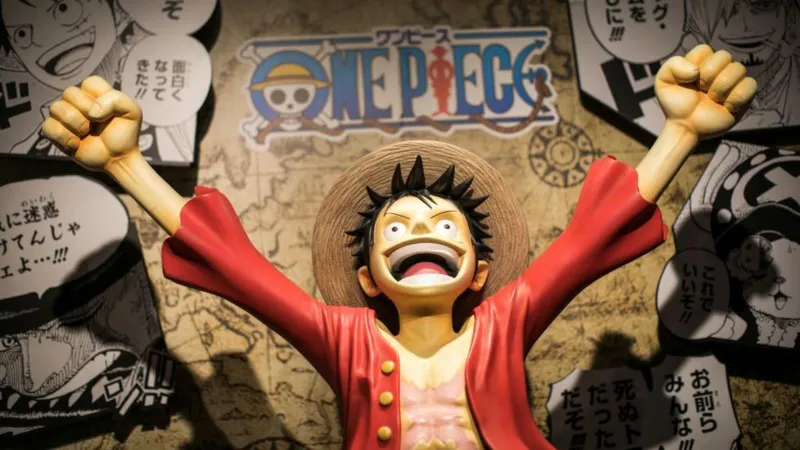
Otsuki’s appearance was part of a three‑day festival in Shanghai. She was roughly halfway through a theme tied to the popular anime series One Piece when the production abruptly paused the show. The artist’s management later described the incident as caused by unavoidable circumstances, noting there were no other issues and that local staff were supportive.
Separately, Ayumi Hamasaki was scheduled to headline at the same event cycle but the organizers canceled her Shanghai concert, saying the decision reflected an unavoidable situation. Hamasaki later performed to a packed crowd of 14,000 in spirit, if not in person, writing online about her appreciation for the people involved in the tour.
Backdrop to the disruptions
The cancellations come amid a diplomatic stand‑off between Beijing and Tokyo following remarks by Japan’s Prime Minister Sanae Takaichi on Taiwan. Beijing regards Taiwan as a part of its territory and has not ruled out force to pursue reunification, a stance that has sharpened tensions with Japan and other regional players.
Beijing has protested Tokyo’s approach, and the dispute has spilled into daily life and cultural exchanges, affecting everything from film releases to live events. In Shanghai, organizers said they weighed multiple factors before deciding to cancel additional performances tied to the festival.
Official responses and crowd reaction
Otsuki’s management attributed the interruption to “unavoidable circumstances” and praised local staff for their kindness, while declining further interviews. A Kyodo News report indicated that other festival events were canceled after careful consideration of various factors.
When pressed, Beijing’s foreign ministry redirected questions to the event organizers, saying they should be contacted for details. On social media, fans debated the moves, with some posts drawing controversial comparisons to past political moments, while others argued for safeguarding the audience’s experience.
The episode also drew international commentary; the United States ambassador to Japan publicly encouraged support for artists and highlighted music as a potential bridge for cross‑cultural understanding.
Industry note and expert perspective
There is concern among industry observers that geopolitical frictions could chill cross‑border tours and temporarily disrupt popular entertainment. Still, many in the arts community see value in using music as a conduit for dialogue, even in tense times.
Bottom line
The Shanghai cancellations underscore how geopolitics can reverberate through culture and entertainment. Artists navigating these challenges often frame their work as a bridge, seeking connection beyond politics.
Two weeks earlier, state media in China also signaled a pause on the release of several Japanese anime titles amid the diplomatic row, signaling broader industry implications beyond live performances.
Key takeaway: Geopolitics can disrupt cultural events, but music remains a universal bridge that can still unite audiences if artists pursue connection. BBC reporting