

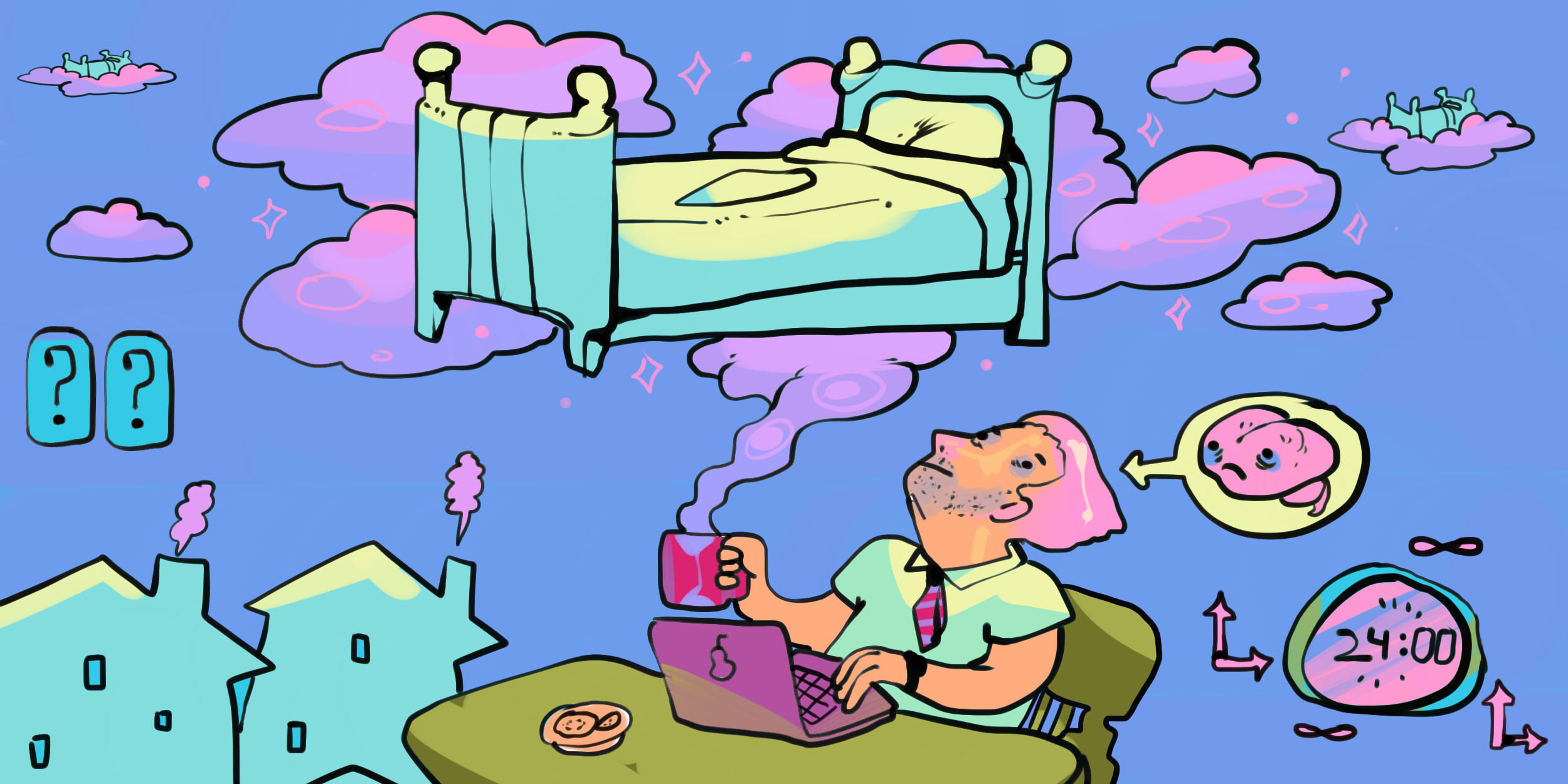

What Happens to Your Body After 24 Hours Without Sleep (and Beyond)
Explore how sleep deprivation affects body and mind from 24 to 72 hours and beyond, with practical tips to protect health, safety, and performance in daily life.
For readers who prefer audio, this article is also available as a podcast.
Many adults fail to reach the seven to eight hours of sleep doctors recommend. When sleep is scarce, thinking, mood, and immune defenses suffer, and the longer you stay awake, the bigger the impact on daily life.
How the body responds to sleep loss
People react differently based on age, health, daily routine, and nutrition. Children and teenagers need more sleep than adults. Ongoing sleep loss in young people can hurt school performance, social development, growth, and long-term health habits.
After one day without sleep
Most people start to notice effects within a day of continuous wakefulness.
- Body temperature drops slightly.
- Stress hormones such as cortisol and adrenaline rise.
- Blood sugar increases while insulin drops, affecting energy and appetite control.
- Muscle tension grows and reaction times slow.
- The body’s hormonal balance for growth, metabolism, and immunity becomes disrupted.
- Vision and hearing may worsen, and perception can feel altered.
The brain, trying to conserve energy, may temporarily shut down some networks, leading to sleepiness, irritability, and reduced focus and memory. Appetite mood and decision-making are affected, and cravings for high-calorie foods rise.
Public health data from the United States note that 24 hours without sleep can impair driving as much as a blood alcohol level around 0.08–0.10%, underscoring the risk of operating vehicles when sleep-deprived.
After two days
Up to about 36 hours without sleep
- Fatigue becomes more pronounced; motivation decreases.
- Speech and language can become slurred or unclear.
- Decision making grows risky and less flexible.
- Cognitive speed and accuracy decline.
Emotion recognition and social cues become harder as wakefulness extends.
After 48 hours
- Effects accumulate; individuals may experience brief episodes of disorientation (micro-sleeps).
- Concentration, coordination, and memory can worsen further.
- Immunity weakens, increasing susceptibility to colds and flu.
Continued wakefulness can lead to longer lapses of attention and intermittent unconscious moments during tasks requiring focus.
After three days without sleep
- Severe cognitive and emotional symptoms appear; routine tasks get very challenging.
- Memory problems and disorganized thinking become common; perceptual changes such as vivid dreams or illusions may occur.
Research shows even healthy adults find three days of wakefulness extremely difficult. In controlled studies, mood and physiological stress indicators worsen, and overall well-being declines.
How long a person can stay awake
The best-known record is 11 days (264 hours) of wakefulness set by Randy Gardner in 1964 as a school science project. He did not use stimulants, but his cognitive abilities and memory deteriorated as the days passed, with later hallucinations and memory lapses.
Subsequent attempts to beat the record were not scientifically verified. Studies suggest the brain adapts to extended wakefulness by shifting neural activity, but the cost to thinking and mood is high.
Why regular sleep deprivation is harmful
Chronic under-sleep—consistently getting only five to six hours a night—produces many of the same problems seen after long wakefulness and can accumulate over time:
- Persistent fatigue and daytime sleepiness.
- Impaired concentration, vigilance, memory, and coordination.
- Irritability and rapid mood changes.
- Increased appetite and risk of weight gain.
- Higher anxiety and stress responses.
- Weakened immune function and higher infection risk.
- More accidents and errors in daily life and work.
- Elevated risk of cardiovascular disease, including hypertension and stroke.
- Possible sleep-disordered breathing and reduced fertility over time.
Animal studies show chronic sleep loss can slow healing and the growth of new brain cells, underscoring that rest is essential for recovery and brain health.
Therapeutic uses of sleep deprivation
Although sleep loss is generally harmful, controlled sleep deprivation has been explored as part of treatment for some conditions. In Switzerland, researchers reported that short-term or partial sleep deprivation, when combined with antidepressants or cognitive-behavioral therapy, produced rapid improvements in some depressed patients.
Controlled sleep restriction is also used to reset the sleep-wake cycle in insomnia, particularly when paired with behavioral therapy. The aim is to rebuild a stable schedule that supports consistent, restorative sleep.
Most people should not experiment with sleep deprivation. A good night’s rest remains a foundational pillar of health, safety, and performance.
Expert comment
Expert comment: A sleep specialist notes that effects escalate quickly after a single missed night and that long-term deprivation compounds risks to mental and physical health. Even one night of poor sleep can impair judgment and reaction time.
Summary
Sleep is a cornerstone of overall health. Short-term sleep loss disrupts thinking, mood, and immunity, while longer deprivation worsens these effects and raises serious health risks. Prioritizing seven to eight hours of restorative sleep supports memory, safety, and well-being.
Key insight: Regular, high-quality sleep is essential for mental sharpness, mood stability, and physical health—there is no real substitute for restful sleep.