


The Hidden Dangers of Household Waste and How Sorting Can Save Our Planet
Discover the critical impact of household waste on the environment and learn how proper waste sorting and recycling can protect our oceans, forests, and health.
Many people don’t realize the direct connection between saving the planet and separating plastic bottles from cardboard when disposing of household waste. Yet, the amount of waste generated annually in countries like Russia could build 11 Great Pyramids of Giza. Partnering with the National Ecology Project, we explain why sorting waste and recycling is essential for our planet’s future.
Why Household Waste Poses a Threat
Plastic Pollution Harms Nature and the World’s Oceans
Each year, humanity produces approximately 300 million tons of plastic waste, much of which ends up polluting the oceans.
About 80% of ocean plastics originate from rivers and coastal areas, primarily from everyday items such as single-use bags, straws, cups, plates, bottles, and food packaging. The remaining 20% comes from marine sources like fishing nets and maritime industry waste.
Scientists once believed that 10 major rivers were responsible for 60 to 90% of ocean plastic pollution, suggesting that cleaning these rivers would significantly reduce ocean waste. However, recent studies reveal that 1,656 rivers, mostly in Asia, contribute to over 80% of this pollution, highlighting the global scale of the problem and the need for systemic solutions.
What Happens to Plastic in the Ocean
Marine animals often mistake plastic fragments for food, which can lead to ingestion and fatal consequences. They can also become entangled in debris or injured by sharp edges.
Over time, plastic breaks down into microplastics—tiny particles less than 5 mm in size. Humans can inadvertently ingest these microplastics, which are now ubiquitous in the environment. Although scientists continue to study the full health implications, it is clear that microplastic pollution is increasing every year.
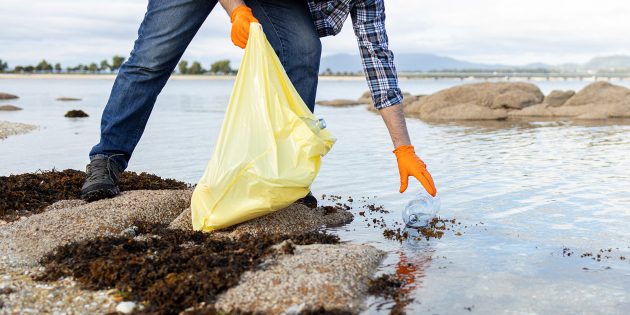
People often litter coastlines directly, but even waste disposed of in bins can reach the ocean. Plastic waste placed in containers is transported to landfills, where wind and rain can carry debris into rivers and, eventually, the ocean. This process has led to massive garbage patches, such as the Great Pacific Garbage Patch.
Sorting waste has become a cultural norm in many countries. One of the goals of the National Ecology Project is to educate citizens about proper waste separation and make recycling a beneficial habit for everyone.
By 2024, the aim is to recycle 60% of household waste, including 36% through processing facilities. This will involve building 200 waste sorting plants and eliminating around 200 unauthorized dumps within urban areas. By 2030, all household waste is expected to be sorted. However, individuals can start adopting eco-friendly habits today.
Paper Consumption Threatens Forests
Environmental Protection Agency experts estimate that recycling one ton of paper saves 17 trees and reduces landfill volume by 2.5 cubic meters.
Producing new paper from recycled materials uses 70% less energy and water compared to making pulp from raw wood. Paper can be recycled up to seven times, and cardboard up to ten.
Recycling also reduces greenhouse gas emissions that contribute to climate change, improving air quality and reducing smog—a major urban health concern.
Disposable Paper Cups Contain Plastic Layers
“Eco-friendly” disposable cups are not made entirely of cardboard. To prevent leaks while drinking coffee or juice, their interiors are coated with a thin layer of plastic. These cups can last for months without leaking, but if sent to regular landfills, they decompose very slowly and pollute the environment.
Proper recycling of these cups requires separating the cardboard from the plastic, a process that can only be done at specialized facilities. However, consumers can dispose of these cups in designated recycling bins. Russian recycling plants already accept such waste, and as the coffee-to-go trend grows, more facilities are expected to emerge.
From December 5 to 20, the National Ecology Project will host a nationwide paper collection campaign called #PaperBattle. Schools, universities, companies, and environmentally conscious individuals can participate by collecting and recycling as much paper as possible. Participants can win prizes and meet celebrities by sharing photos or videos with hashtags #PaperBattle #NationalEcologyProject and tagging their favorite accounts. Registration is available on the project’s website.
Glass Bottles Require Significant Resources
Glass containers are non-toxic, non-flammable, and used less frequently than plastic. Many people avoid recycling glass due to its bulkiness and weight, which discourages transporting it to recycling centers.
However, if glass is not recycled, new bottles must be manufactured from raw materials, involving high energy consumption and environmental costs. Glass takes over a thousand years to decompose, meaning future generations will inherit our discarded shards.
Recycling glass reduces air pollution by 20%, water pollution by 50%, and helps prevent landfill expansion. It also requires less energy since recycled glass melts at lower temperatures.
Check with local waste facilities about the types of glass they accept, as their lists often exceed those of standard collection points. Regularly sorting and recycling glass is easier than it seems.
Batteries Pollute Soil and Cause Health Problems
In Moscow alone, over 15 million batteries accumulate in landfills annually, weighing 2,000 to 3,000 tons—about 0.25% of the city’s total waste. An average family discards up to half a kilogram of used batteries each year.
Researchers at the Australian National University found that one battery contaminates 20 square meters of soil and 400 liters of water, with decomposition taking over 100 years.
Batteries contain harmful substances like lithium, mercury, tin, lead, nickel, zinc, and cadmium, which pollute soil and accumulate in humans and animals, causing severe illnesses.
Mercury affects the nervous and respiratory systems, damages the brain, kidneys, and liver, and impairs vision and hearing. Although mercury has not been used in battery production for the last 20 years, old batteries may still pose risks.
Lead exposure can cause brain disorders and nervous system dysfunctions, which are difficult to diagnose and treat.
Cadmium accumulates in bones, liver, kidneys, and thyroid, increasing the risk of cancer. All these toxic elements make it essential to recycle batteries properly rather than discarding them in regular trash.
How to Start Sorting Your Waste
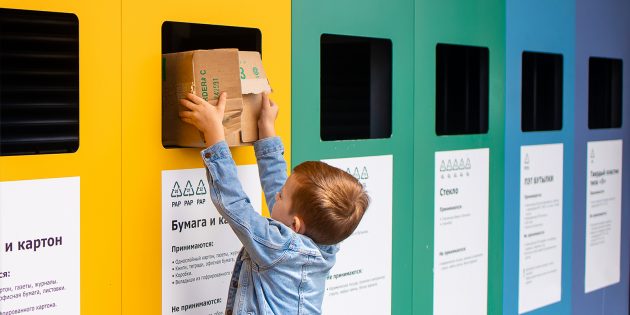
By following simple steps, waste sorting can seamlessly become part of your daily routine:
- Set up separate containers or bags for plastics, glass, paper, and batteries. Stackable bins or wall-mounted paper bags save space.
- Check recycling symbols on packaging at the store—numbers 1, 2, and 5 are widely recyclable. When possible, avoid buying plastic packaging.
- Buy only what you need, paying attention to expiration dates to reduce food waste.
- Use reusable shopping bags, pouches, and containers instead of plastic bags. Keep them handy in your backpack or near the door.
- Invest in a quality thermal mug and request coffee in it instead of disposable cups, which is both eco-friendly and often rewarded with discounts at cafes.
- Switch from disposable batteries to rechargeable ones, which last for hundreds of charge cycles.
The National Ecology Project’s page on 2GIS maps provides locations of nearby waste collection points. You can bring sorted household waste such as plastics, glass, paper, metals, and batteries to these centers. Select the waste type on the left menu to view collection sites on the map.
Sorting waste reduces landfill volumes by half. Recycled materials are transformed into valuable resources for street furniture, paving tiles, packaging, fuel, and fertilizers.
Find Nearby Recycling Centers
Explore useful articles in Expert Advice & Insightful Articles as of 05-02-2022. The article titled " The Hidden Dangers of Household Waste and How Sorting Can Save Our Planet " offers in-depth analysis and practical advice in the Expert Advice & Insightful Articles field. Each article is carefully crafted by experts to provide maximum value to readers.
The " The Hidden Dangers of Household Waste and How Sorting Can Save Our Planet " article expands your knowledge in Expert Advice & Insightful Articles, keeps you informed about the latest developments, and helps you make well-informed decisions. Each article is based on unique content, ensuring originality and quality.