


Principal-Agent Relationship Explained 2025: Key Insights and AI Impact on Cost & Trust
Explore the evolving principal-agent relationship in 2025, how it functions, key challenges like conflicts of interest, and how AI and machine learning are reshaping this crucial dynamic in finance and governance.
What Is a Principal-Agent Relationship?
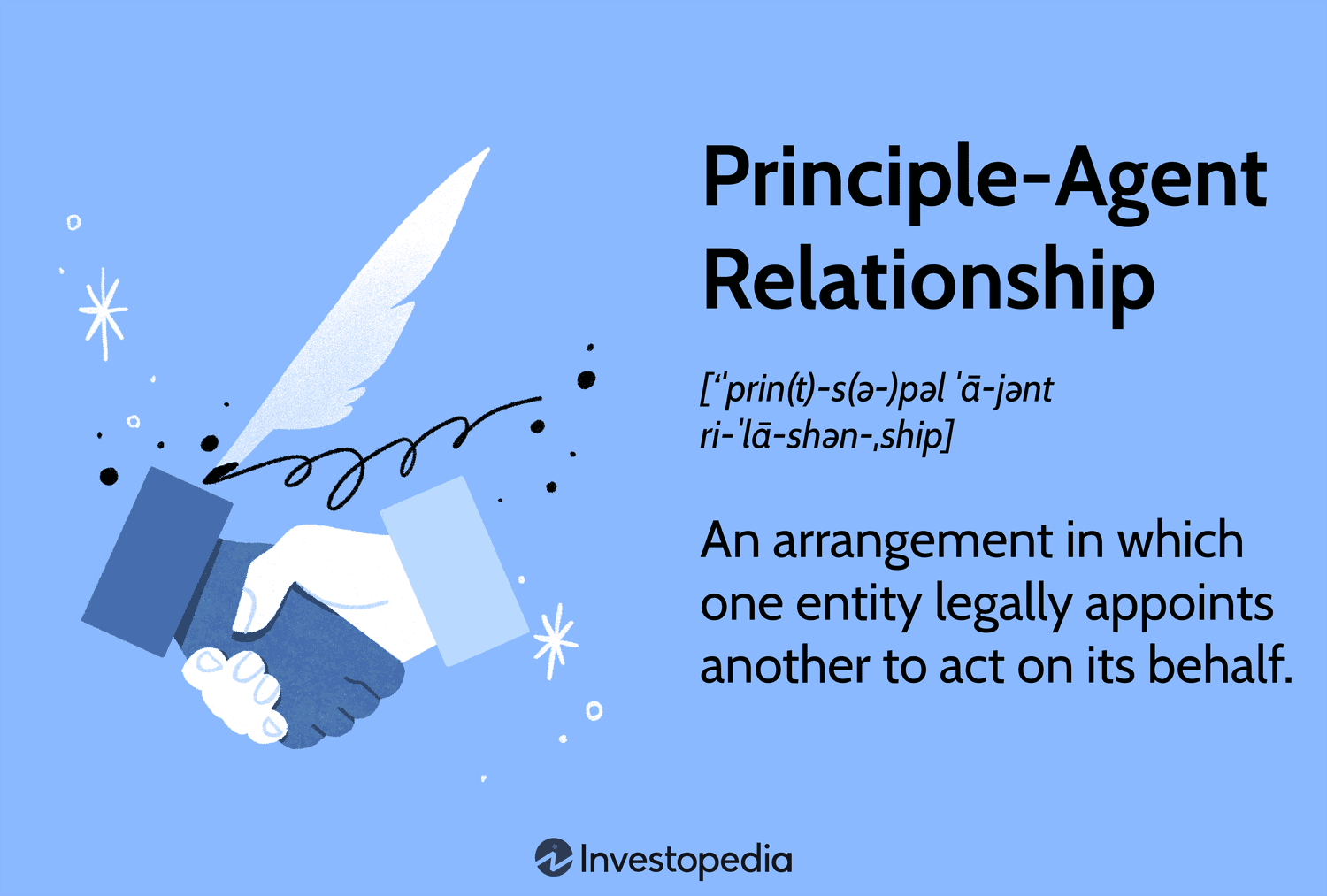
The principal-agent relationship is a legal and practical arrangement where one party, the principal, appoints another, the agent, to act on their behalf. This relationship, often formalized through contracts or implied by actions, is foundational in finance, law, and politics.
In this setup, the agent is expected to act loyally and with due care, avoiding conflicts of interest to serve the principal's best interests. Typical examples include investors hiring fund managers or clients engaging attorneys.
Why It Matters
This relationship is central to many aspects of modern society — from financial advisors managing your investments to elected representatives acting on behalf of voters. Misalignments between principals and agents can lead to significant issues, making it essential to understand the dynamics and safeguards.
Core Principles of the Principal-Agent Relationship
- Appointment and Trust: Principals assign agents to manage tasks or decisions, relying on their competence and integrity.
- Fiduciary Duty: Agents must prioritize the principal’s interests, acting with skill, care, and loyalty.
- Potential for Conflict: The principal-agent problem emerges when agents' incentives diverge from principals', often complicated by information asymmetry.
- Legal Contracts: Written agreements or implied duties clarify roles and responsibilities.
The Principal-Agent Problem: Origins and Challenges
First conceptualized in the 20th century by scholars like Jensen and Meckling, the principal-agent problem highlights conflicts that arise when agents have motivations or information not fully aligned with principals.
This is particularly prevalent in finance, where agents such as corporate executives or fund managers may prioritize short-term gains or personal benefits over long-term value for principals like shareholders or investors.
Key Issues
- Conflicting Incentives: Agents might pursue objectives that differ from principals'.
- Information Asymmetry: Agents often hold more information, making it difficult for principals to monitor their actions effectively.
Building Trust and Ethical Standards in 2024
Trust remains the cornerstone of effective principal-agent relationships. Studies show that ethical training and transparent communication reduce misconduct. Financial advisors who openly demonstrate care and honesty foster stronger client loyalty.
However, with new AI technologies entering the financial sector, maintaining trust faces fresh challenges.
How AI and Machine Learning Are Transforming the Relationship
The integration of AI and machine learning (ML) into financial services is revolutionizing principal-agent dynamics:
- Automated Trading: ML-driven trading systems operate with complex, often opaque algorithms, reducing principals' ability to monitor agents’ decisions.
- AI in Lending & Credit Scoring: AI improves efficiency but raises concerns about fairness and transparency.
- Robo-Advisors: These provide data-driven investment advice but challenge traditional fiduciary roles and human judgment.
Challenges Posed by AI
AI systems’ “black box” nature limits explainability, complicating how principals can hold agents accountable. Regulatory bodies now emphasize the need for explainable AI and ethical AI governance to address these gaps.
Innovations and Solutions in 2024
- Smart Contracts & Blockchain: Self-executing contracts reduce reliance on intermediaries, potentially lowering agency conflicts.
- Ethical AI Frameworks: Increasing adoption of principles that ensure fairness, accountability, and transparency in AI applications.
- Revised Compensation Structures: Aligning agent incentives with long-term performance and ESG criteria to mitigate short-termism.
- Enhanced Monitoring: Using technology for better oversight and reporting to reduce information asymmetry.
Summary: Navigating Principal-Agent Dynamics in Today’s World
The principal-agent relationship is vital across finance, law, and governance, yet it inherently involves risks of conflicting interests and information gaps. As AI and emerging technologies reshape this landscape in 2024, traditional solutions must evolve.
Effective management of this relationship today requires a blend of trust-building, ethical standards, innovative technology applications, and adaptive regulation to ensure agents act faithfully and principals' interests are protected.
Explore useful articles in Laws & Regulations as of 28-06-2024. The article titled " Principal-Agent Relationship Explained 2025: Key Insights and AI Impact on Cost & Trust " offers in-depth analysis and practical advice in the Laws & Regulations field. Each article is carefully crafted by experts to provide maximum value to readers.
The " Principal-Agent Relationship Explained 2025: Key Insights and AI Impact on Cost & Trust " article expands your knowledge in Laws & Regulations, keeps you informed about the latest developments, and helps you make well-informed decisions. Each article is based on unique content, ensuring originality and quality.