

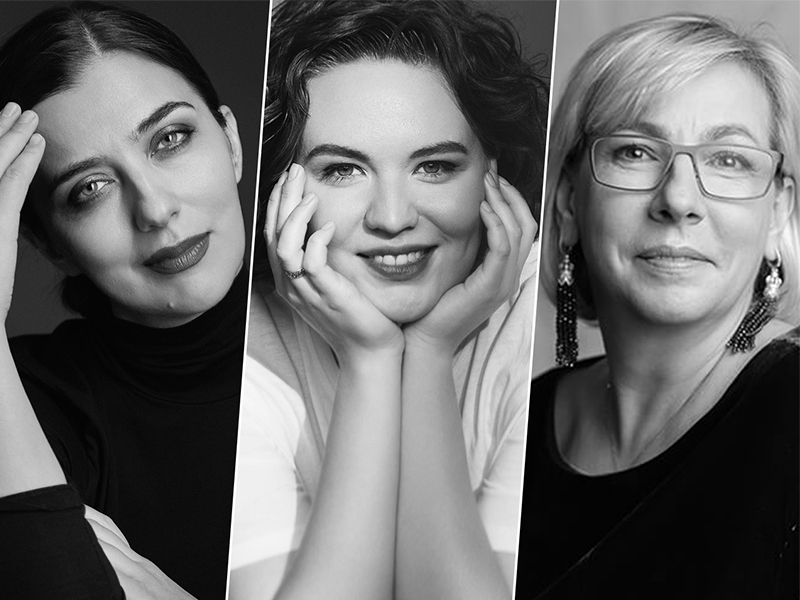

Inspiring Journeys of Seven Women Who Triumphed Over Cancer
Discover the powerful stories of seven courageous women who conquered cancer. Learn about their battles, resilience, and the nationwide initiative supporting cancer survivors through photography and community.
People diagnosed with cancer often keep their condition private and deeply need support. Today, approximately 1.5 million women in Russia live with cancer, with 80% requiring psychological assistance. To empower these women, the nationwide project "Chemotherapy Was There, But We Broke Up" was launched.
The project’s mission is to utilize phototherapy to aid in the successful treatment and rehabilitation of female cancer patients.
As part of the initiative, the "My Phototherapy" website was created, where women who have undergone or are undergoing cancer treatment can share their stories. The project team invites these heroines to participate in photo sessions, which will culminate in an exhibition held in Moscow in autumn 2021. All photos will be showcased on the project’s website.
Olga Pavlova, the project’s founder and photographer, shares: "Throughout my career, I have photographed thousands of people, and I know that quality photographs help women boost their self-esteem. As a former cancer patient myself, I understand how vital it is to see yourself through a photographer’s eyes to rediscover yourself and overcome fear. Fear can be paralyzing. To conquer it, one must open up and share their story with the world."
Here are the inspiring stories of some of the first participants in this empowering project.

Nadezhda Kuznetsova
38 years old, cervical cancer survivor
Initially, I volunteered at the "Gift of Life" hospital foundation and later organized the "Winners Games," a competition for children who survived cancer. Being involved in this community for years made facing my own diagnosis somewhat easier, as many common fears and stereotypes were already unfamiliar to me.
However, I was pregnant. In July 2016, I conceived, but by September, doctors told me I might not be allowed to give birth because a small tumor was detected.
The hardest part was carrying my beloved child inside me while suppressing joy about the pregnancy. Until recently, doctors recommended early or late termination in such cases. Given that I already had a four-year-old son, the mother's life was prioritized.
Fortunately, my medical team was exceptional: obstetrician-gynecologist Professor Natalia Enkynovna Kan, surgeon Vladimir Nosov, and chemotherapy specialist Mikhail Laskov. Their support was invaluable. My husband shared my perspective from the start — our priority was to protect both of us, which was incredibly reassuring.
Amazingly, the illness didn’t stop me from enjoying my pregnancy. I walked a lot, laughed, met friends, and avoided dwelling on worries constantly.
Sometimes, fears overwhelmed me at night — "what if something goes wrong?" I would cry intensely for about forty minutes, then suddenly feel relief. It felt pointless to worsen problems with negativity.

Financially, we managed chemotherapy in a private clinic with a private room, allowing family visits. However, the surgery bill was over one million Russian rubles (approximately $13,000), which was overwhelming. Without savings, we considered selling assets or opting for free surgery through government quotas, but that involved invasive procedures with significant life quality impacts. We needed an experienced doctor, which we found in the private clinic.
Unbeknownst to me, friends and colleagues raised funds and negotiated discounts. Within a week, a close friend informed us the full amount was collected, and the clinic was ready for my surgery. The kindness and discretion of these people, including "Gift of Life" staff and my Skolkovo colleagues, saved me and my son.


My son Grisha was born healthy at 35 weeks and, after two months, I completed my treatment. Everything went well — surgery, childbirth, and the early days with diapers and baby clothes.
About two years later, I experienced complete exhaustion and realized my nervous system was seriously affected, recovering very slowly.
Before illness, I was unstoppable, juggling multiple tasks at once. Afterward, I had to accept that my "iron" persona was gone.
Connecting with other survivors confirmed that emotional recovery is essential before moving forward. The experience taught me to care more for myself.
Now, I see the illness as just one event in my life, not defining me. Moving on and enjoying each day is crucial. My greatest joy is my two sons, now aged 8 and 3.
In early 2020, I was invited to direct the School of Practical Oncology, founded by Dr. Andrey Pavlenko. We assembled a strong team and began classes in September. Our goal is to train a hundred specialized oncology surgeons over ten years, ensuring patients across major regions receive modern, accessible care. No one should face cancer alone. This is what matters most.
Related reads:
- "The Nanny" Fran Drescher believes her cervical cancer was linked to repressed trauma from assault

Alexandra Gaposhkina
27 years old, lymphoma survivor
I was diagnosed with lymphoma in March 2018. I underwent eight chemotherapy sessions and a stem cell transplant. Since November 2018, I have been in stable remission.
In short, this diagnosis changed my life. I was an art student in Krasnodar, living with my beloved husband, without worries. However, I struggled with negativity, low self-esteem, and psychological trauma since childhood. I believe my negative self-talk contributed to my illness. When diagnosed, I felt the universe was responding: "If you don’t want to live, here you go."

In November 2017, lumps appeared on my neck. After six months of complex tests, I received the diagnosis. I left school and returned to Moscow to live with my mother. Bald and attached to an IV, unable to eat, drink, walk, or paint, I could only stare at the wall.
During this time, I realized how fortunate I was to be alive. I started an Instagram account sharing my cancer journey, read extensively, meditated, and practiced affirmations. I understood that happiness depends solely on my choice.
External circumstances became less important. After recovery, I moved to St. Petersburg to explore life and myself. I lived in a shared apartment, painted university dining hall walls, and embraced my feelings and dreams.
My husband and I parted ways shortly after remission. The period was difficult for him, and we agreed it was best to go separate ways. Now, I am happy, back in Moscow, studying at the Glazunov Academy of Arts, creating art, conducting workshops, and supporting cancer survivors through the Unity movement. I am grateful for the transformation cancer brought me — calmness and unwavering optimism.
Related reads:
- Survivors: 11 Celebrities Who Beat Cancer
Anna Zhikhareva
48 years old, breast cancer survivor
I survived breast cancer and now help those newly diagnosed face their journey.
My story began six years ago when I found a lump near where my bra wire pressed against my breast. I have a habit of monthly self-examination after the fifth day of my cycle. Initially, I thought it was a swollen lymph node.

A week later, the lump grew and became painful. A friend advised me to get checked, so I flew to Israel for tests, not expecting to stay nine months.
Upon arrival, I underwent ultrasound and mammography. The doctors’ reactions hinted at serious issues. Further tests and a biopsy confirmed my diagnosis. The oncologist told me I had an aggressive form of breast cancer requiring immediate surgery. Hearing "I promise you..." I ran to the corridor in tears, almost fainting. Why me? I have children!
My oncologist emphasized that mindset accounts for 50% of success. She warned against panicking, googling symptoms, or joining online groups. "You are needed by your children; you must get through this."
I spent nine months in Israel, undergoing eight chemotherapy sessions. I tried to stay positive, bought bright scarves, clip-ons, and a long wig. Seeing Israeli women working early after chemo inspired me. I wore red lipstick and colorful glasses, holding on as best I could.
The hardest part was daily radiation therapy, done discreetly on a lower floor. On the last day, I crossed off the final date on a sheet of paper, burned it, and cried, amazed I made it through.
My salvation was early detection and following my doctors’ plan. The cancer hadn’t spread to lymph nodes, which made treatment more manageable.
Returning to Moscow was a joyous reunion with family and friends who supported me throughout.
Openly sharing my diagnosis helped me and others. I told my younger sons honestly about prevention and treatment. It took years before I shared the full truth with them.
For three years post-treatment, I lived differently—slower, more reflective. Then I felt ready to work and be useful again.

While in Israel, I helped acquaintances connect with my medical center. Later, I supported patients in Moscow, accompanying them through their journeys. Although the pandemic paused this work, I remain committed to helping others face their diagnosis with courage.
Many fear the word "cancer" and avoid those affected. For example, a man I dated for months ended the relationship when I told him about my participation in a cancer survivor photo project.
Despite challenges, I was fortunate to have unwavering support from friends, family, and my ex-husband. I encourage all women over 25 to regularly self-examine and get annual screenings. These health checks are as essential as any beauty routine and far more valuable than material purchases.


Maria Grinberg
Mammologist-Oncologist, Hadassah Moscow Clinic
Dr. Maria Grinberg shares: "Breast cancer is not a death sentence. Most women diagnosed early recover fully. Early detection is key, and psychological resilience significantly impacts treatment success.
First, try to stay calm and avoid panic. Talk openly with loved ones — sharing grief lessens its burden.
Second, get information about your condition only from medical professionals. Avoid rumors, internet searches, or listening to other patients’ fears, which can be misleading and harmful.
Third, don’t internalize others’ negative experiences. Comparing yourself to friends or relatives with cancer can harm your mental health and weaken your immune system, reducing treatment effectiveness.
Remember, you are responsible for your health and mindset. Body and mind work as one. Stay positive, believe in your recovery, and trust your doctors fully. As the saying goes, "God has no hands but yours." You must take charge of your healing journey.
The sooner women stop seeing cancer as a death sentence, the easier and more successful their treatment will be. I advise my patients to focus on what matters most in life — family, work, hobbies. Self-pity is only warranted briefly, if at all. Compassion for yourself and others is essential, but pity is the last feeling you should entertain."
Explore useful articles in Health & Wellness as of 20-04-2021. The article titled " Inspiring Journeys of Seven Women Who Triumphed Over Cancer " offers in-depth analysis and practical advice in the Health & Wellness field. Each article is carefully crafted by experts to provide maximum value to readers.
The " Inspiring Journeys of Seven Women Who Triumphed Over Cancer " article expands your knowledge in Health & Wellness, keeps you informed about the latest developments, and helps you make well-informed decisions. Each article is based on unique content, ensuring originality and quality.