

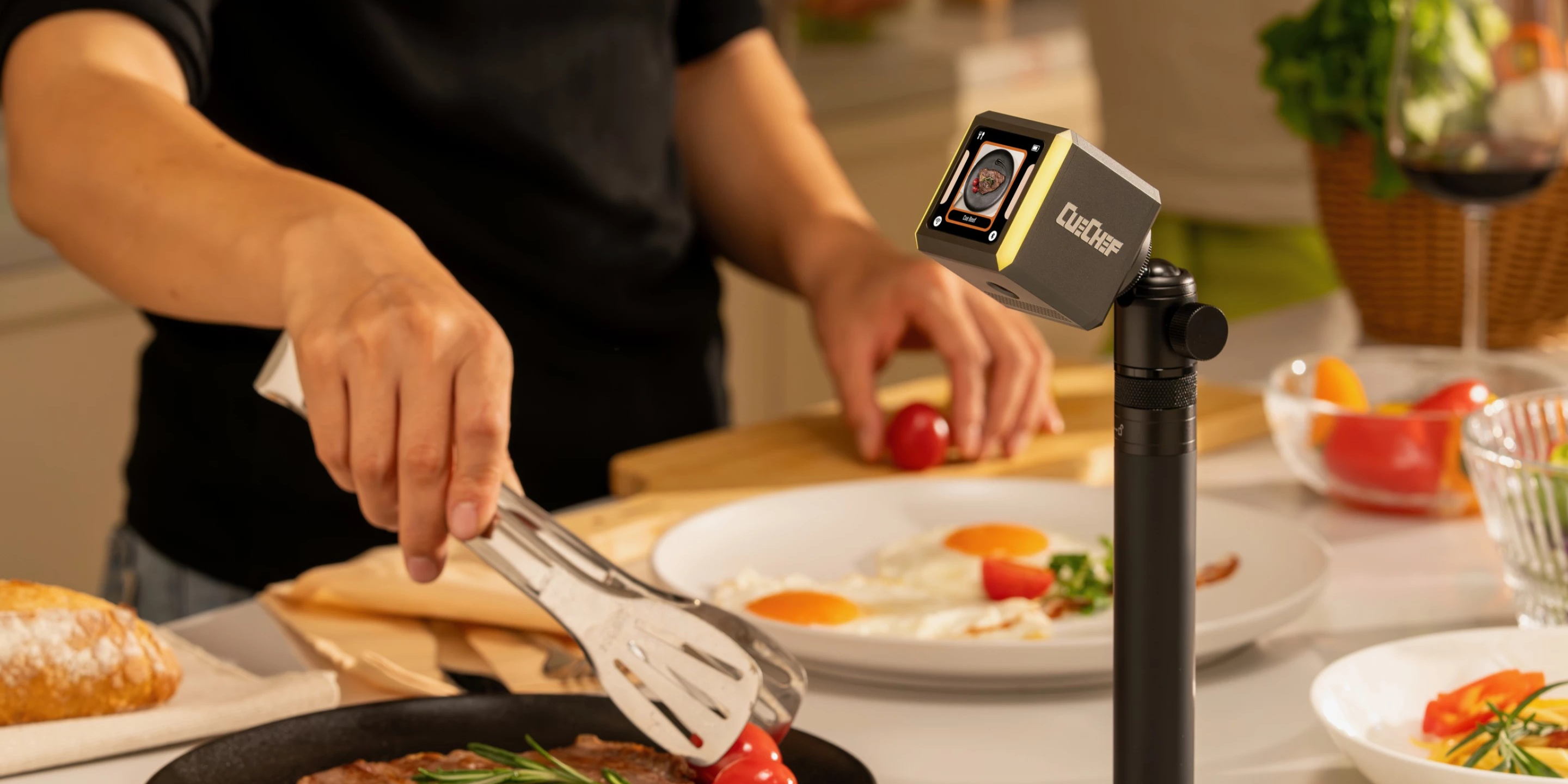

AI Cube o1: The smart kitchen assistant gauging dish readiness
A compact AI Cube o1 attaches to a stand or metal surface, uses thermal imaging and sensors to monitor cooking, and signals readiness with a color cue. Preorders on Kickstarter.
Introducing Cube o1, a compact AI kitchen assistant designed for home cooks and professionals. A Hong Kong startup brings this device to life to help you learn cooking and reduce mistakes.
How Cube o1 works
The gadget can be mounted on a stand or clamped to a metal surface and uses a thermal camera along with onboard sensors to monitor the cooking process.
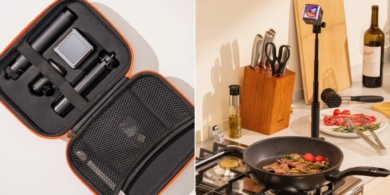
It analyzes your actions and the pan temperature, then guides you with a simple color signal: green means all clear, yellow means you should adjust, and red indicates a potential issue.
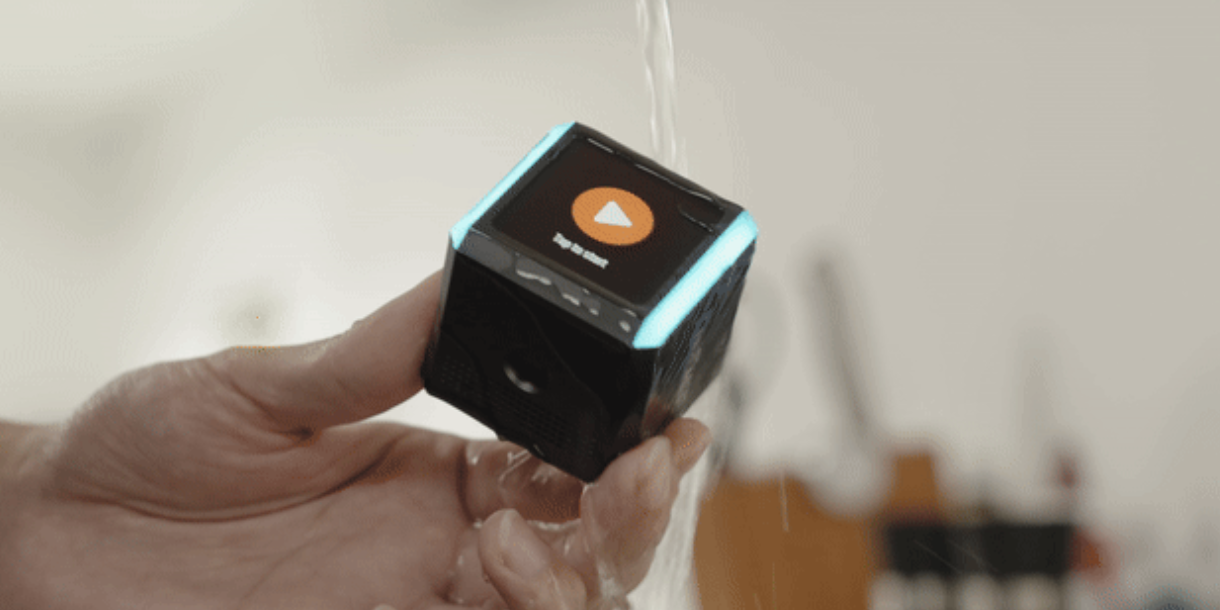
In addition to real-time help, Cube o1 can record the entire cooking session and turn it into a shareable recipe in the Cue Chef Club app. The developers say this can speed up the development of new dishes for professionals.
The device runs on offline-capable AI Copilot software, so constant internet access is not required. Its housing resists steam and splashes and is fully waterproof for easy cleaning with water.
The Cube o1 is available for preorder on Kickstarter at US$180. In retail, the price is expected to rise by about 60%. The package includes a stand, mounting hardware, and a charger. First shipments are planned for January.
Expert perspective
Expert comment: Industry observers say the combination of real-time feedback and automatic recipe capture could transform home cooking. The offline AI Copilot is particularly valuable for kitchens with limited connectivity.
Summary
Cube o1 blends AI with practical hardware to guide cooking in real time, tracking actions and temperatures while delivering color prompts and recording sessions as shareable recipes. It offers potential benefits for both beginners and professionals by reducing trial-and-error and speeding up recipe development.
Key insight: Real-time AI feedback paired with effortless recipe recording shifts cooking from trial-and-error to guided mastery.