


Proton Therapy for Esophageal Cancer 2025: Costs, Benefits, and Latest Results
Explore how proton therapy offers a cutting-edge, less harmful radiation treatment for esophageal cancer, with promising survival rates and fewer side effects on vital organs.
Proton therapy is an advanced form of radiation treatment that utilizes protons instead of conventional X-rays. Recent studies reveal that this innovative approach may effectively combat esophageal cancer while minimizing damage to surrounding organs like the heart and lungs.
According to the American Cancer Society, approximately 21,560 new cases of esophageal cancer are expected in the United States in 2024. Despite improvements in survival rates over the past six decades, only about 20% of patients survive beyond five years post-diagnosis.
Treating esophageal cancer poses challenges due to the esophagus’s proximity to critical organs. Traditional surgery and radiation can inadvertently harm the heart and lungs, especially at higher radiation doses.
Emerging research, including a 2022 study, indicates that proton therapy reduces toxicity to these vital organs while maintaining treatment effectiveness comparable to standard radiation therapy.
Let’s delve deeper into the advantages, drawbacks, and outcomes of proton therapy for esophageal cancer.
Understanding Proton Therapy for Esophageal Cancer
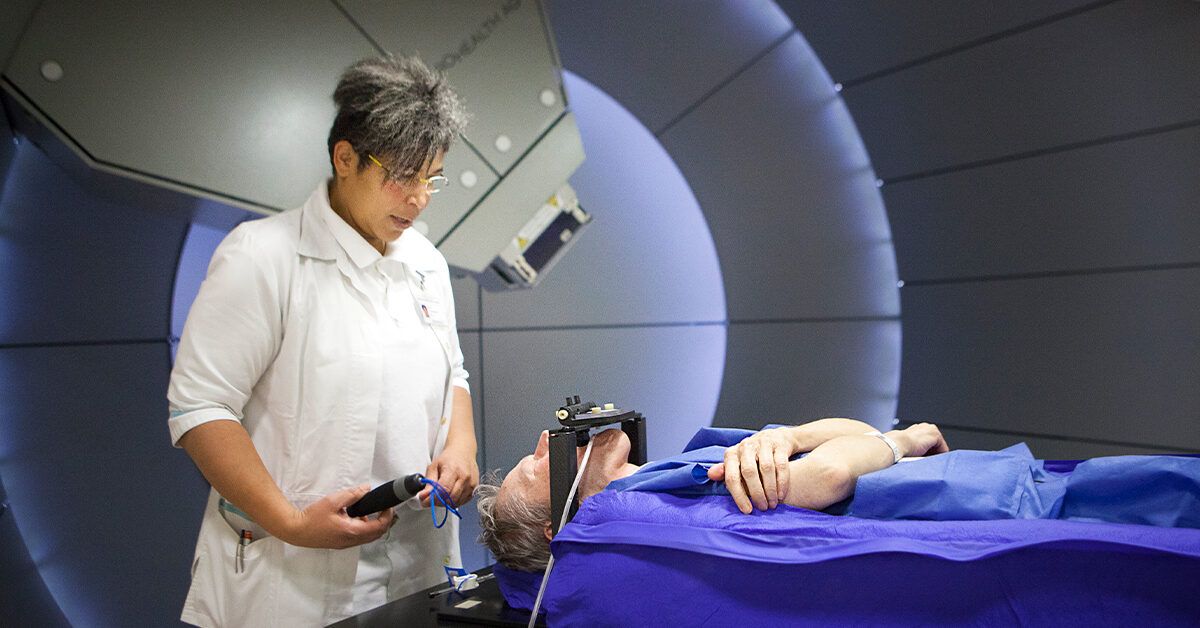
Unlike traditional radiation that employs X-rays, proton therapy directs beams of protons to target and destroy cancer cells. This precision allows for reduced radiation exposure to healthy tissues adjacent to the esophagus.
While still under clinical evaluation, proton therapy shows promise for improving treatment safety and effectiveness in esophageal cancer patients.
Key Benefits of Proton Therapy in Treating Esophageal Cancer
Proton therapy’s primary advantage lies in its ability to limit radiation damage to critical organs such as the heart and lungs, potentially lowering complication rates seen with conventional radiation.
A 2023 clinical study demonstrated proton therapy’s safety and efficacy in patients with lymph node involvement post-surgery, even when combined with chemotherapy. Notably, half of the participants survived at least 22 months, significantly surpassing survival times reported with traditional treatments.
Considerations and Limitations of Proton Therapy
Despite its benefits, proton therapy involves high costs and is available only at select treatment centers equipped with specialized technology.
Research comparing long-term survival outcomes between proton therapy and conventional radiation remains limited. Additionally, potential side effects, although reduced, can still include serious conditions such as radiation pneumonitis, pericardial effusion, heart valve disease, coronary artery disease, cardiomyopathy, and arrhythmias.
Effectiveness of Proton Therapy: What Does the Research Say?
Early studies are encouraging. For example, a 2023 study reported that among 11 patients treated with proton therapy for recurrent esophageal cancer, 27% were alive two years post-treatment without severe complications.
Another 2022 investigation combining proton therapy with chemotherapy showed a 55% overall survival rate at three years.
Who Is a Candidate for Proton Therapy?
Radiation therapy is commonly used across many stages of esophageal cancer. Proton therapy may be suitable for patients who have access to specialized centers and can afford the treatment.
Who Should Avoid Proton Therapy?
- Pregnant individuals
- Patients with connective tissue disorders such as lupus
- Those with advanced lung disease
- Individuals who have previously received radiation in the same area for another cancer
- Patients with pacemakers
Alternative Treatments for Esophageal Cancer
Standard treatments include surgery, radiation therapy, chemotherapy, combined chemoradiation, laser therapy for early-stage cancer, electrocoagulation, and immunotherapy.
Emerging therapies, such as the combination of immunotherapy with targeted drugs, are under investigation to enhance treatment outcomes.
Frequently Asked Questions About Proton Therapy for Esophageal Cancer
Can proton therapy cure esophageal cancer?
While esophageal cancer is rarely curable, early detection improves the chances. Proton therapy may enhance survival rates by reducing damage to healthy tissues during treatment.
What is the best treatment for esophageal cancer?
Treatment depends on cancer stage and typically involves surgery, chemotherapy, and radiation therapy. New approaches like immunotherapy and targeted therapy show promise when combined with traditional treatments.
Summary
Proton therapy represents a promising advancement in esophageal cancer treatment by using proton beams to minimize radiation exposure to healthy organs. Although research is ongoing, early evidence suggests it may improve survival rates and reduce side effects compared to conventional radiation therapy.
Access and cost remain challenges, but as technology advances, proton therapy could become a vital option for many patients battling esophageal cancer.
Discover engaging topics and analytical content in Sexual Wellness as of 18-06-2023. The article titled " Proton Therapy for Esophageal Cancer 2025: Costs, Benefits, and Latest Results " provides new insights and practical guidance in the Sexual Wellness field. Each topic is meticulously analyzed to deliver actionable information to readers.
The topic " Proton Therapy for Esophageal Cancer 2025: Costs, Benefits, and Latest Results " helps you make smarter decisions within the Sexual Wellness category. All topics on our website are unique and offer valuable content for our audience.