


Mastering Situational Leadership: Adapt Your Style for Team Success
Discover how situational leadership theory empowers leaders to flexibly adjust their leadership styles to match team maturity and task demands for optimal performance.
Effective leadership hinges on adapting your approach to fit the unique needs of your team and the situation at hand.
What defines a truly exceptional leader? It’s not solely their inherent skills, but their ability to tailor their leadership style to the circumstances they face. Situational leadership theory emphasizes that no single leadership style fits all scenarios. Instead, leaders thrive by customizing their strategies to meet the specific requirements of tasks and team dynamics.
This theory highlights that the most successful leaders are those who keenly assess factors such as task complexity, group characteristics, and situational demands, then adjust their leadership style accordingly.
For example, when team members are inexperienced or lack confidence, leaders adopt a more directive, hands-on 'telling' style. Conversely, for mature and self-reliant teams, leaders empower members by delegating authority and encouraging autonomy.
Understanding Situational Leadership Theory
Developed by Dr. Paul Hersey and Kenneth Blanchard, situational leadership theory outlines four distinct leadership styles, each suited to varying team maturity levels and task needs.
Four Leadership Styles Explained
- Telling (S1): Leaders provide clear instructions and closely supervise tasks.
- Selling (S2): Leaders engage in two-way communication, persuading and motivating team members.
- Participating (S3): Leaders collaborate with the team, encouraging shared decision-making.
- Delegating (S4): Leaders entrust responsibility to capable team members with minimal supervision.
Assessing Team Maturity Levels
Leadership effectiveness depends on matching styles to the team's maturity, which includes competence and commitment levels:
- M1: Low competence and commitment – requires directive leadership.
- M2: Willing but lacking skills – benefits from coaching and encouragement.
- M3: Competent but inconsistent commitment – needs supportive leadership.
- M4: High competence and commitment – suited for delegation.
Applying the Model in Practice
Situational leadership is dynamic; leaders might start with a directive approach when onboarding new team members and progressively shift toward delegation as the team gains skill and confidence. This flexibility ensures leaders meet evolving team needs effectively.
By embracing this adaptable leadership framework, organizations can foster higher job satisfaction and improved employee performance, as supported by contemporary research.
Advancing with Situational Leadership II (SLII)
Building on the original theory, SLII emphasizes two core leader behaviors: directing and supporting. It categorizes team members into four developmental stages, from enthusiastic beginners to self-reliant achievers, advocating for leadership styles that align with these stages.
SLII Leadership Styles Overview
- Directing (S1): High direction, low support.
- Coaching (S2): High direction and support.
- Supporting (S3): Low direction, high support.
- Delegating (S4): Low direction and support.
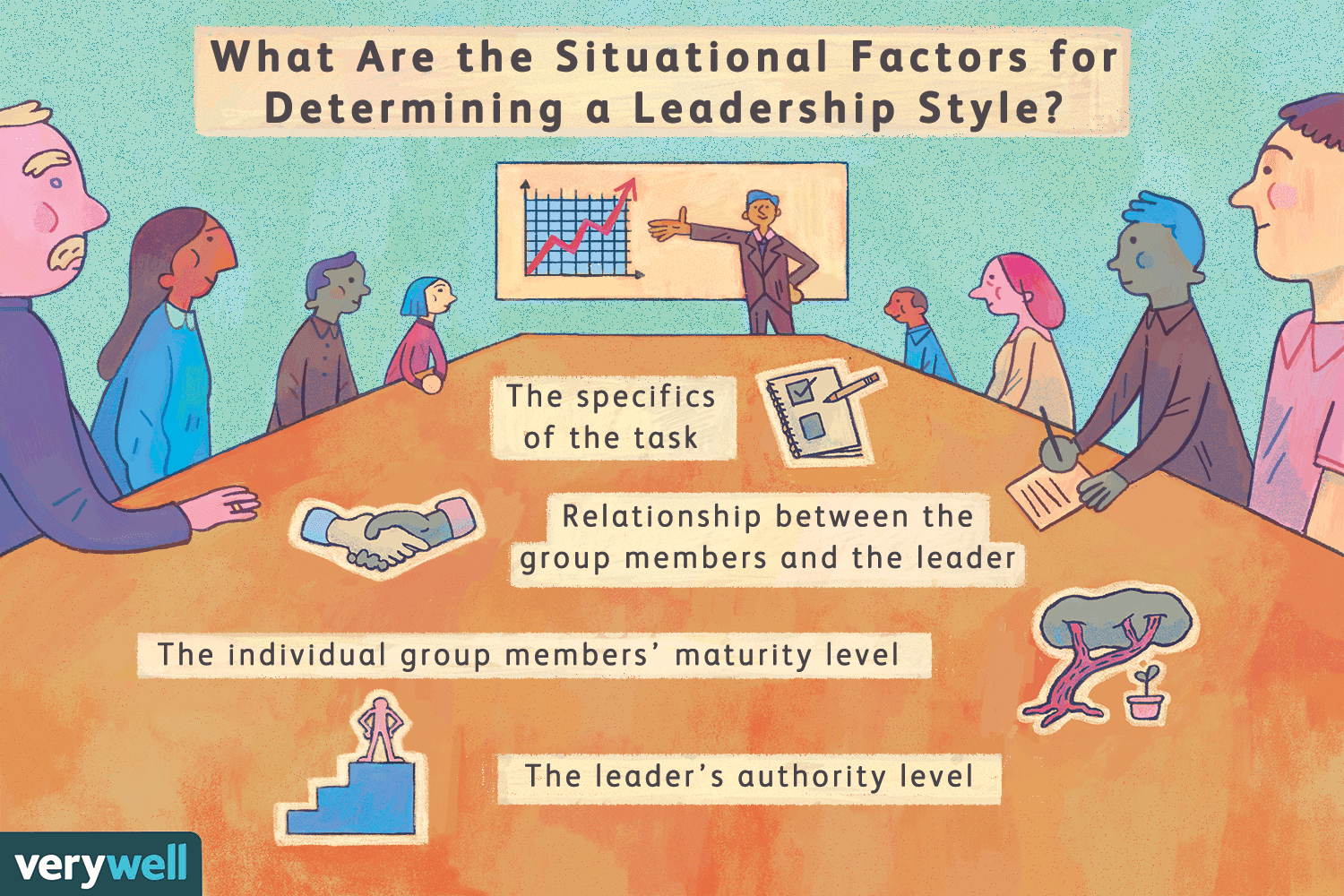
Key Factors Leaders Must Consider
Relationship Dynamics
Leaders should evaluate interpersonal relationships within the team, as trust and rapport influence the suitability of leadership styles.
Task Complexity
Understanding the nature and demands of tasks enables leaders to provide appropriate guidance and resources.
Authority and Influence
Leaders must recognize their level of formal authority and the informal influence they hold through relationships and respect.
Team Member Maturity
Assessing individual readiness ensures leadership approaches support growth and success.
This adaptive leadership model proved especially vital during unpredictable scenarios like the COVID-19 pandemic, helping organizations navigate rapid change.
Summary
Situational leadership offers a versatile roadmap for leaders to effectively guide diverse teams. By continuously evaluating and responding to team needs and contextual factors, leaders can maximize productivity and foster a positive work environment.
Frequently Asked Questions
- What is an example of situational leadership?
A manager who provides close supervision to a new employee but delegates responsibilities to a seasoned team member exemplifies situational leadership. - What are the essential skills for situational leadership?
Key skills include accurate diagnosis of team needs, flexibility in leadership approach, and clear communication. - What are the core elements of situational leadership theory?
The theory centers on adaptable leadership styles, assessment of team development levels, effective communication, and goal achievement.
Discover engaging topics and analytical content in Theories of Psychology as of 25-01-2025. The article titled " Mastering Situational Leadership: Adapt Your Style for Team Success " provides new insights and practical guidance in the Theories of Psychology field. Each topic is meticulously analyzed to deliver actionable information to readers.
The topic " Mastering Situational Leadership: Adapt Your Style for Team Success " helps you make smarter decisions within the Theories of Psychology category. All topics on our website are unique and offer valuable content for our audience.