


How Marvel's Cinematic Universe Became a Cultural Phenomenon and Set Major Trends in Film
Explore the unique approach Marvel Studios took to revolutionize cinema, creating a vast superhero universe that transformed global pop culture and influenced the film industry.
Discover the secret behind Marvel Studios' unparalleled success and why no other studio has matched their achievement.
Today, comic book movies dominate theaters worldwide. Multiple studios release several films annually, alongside numerous TV shows and streaming series.
But this wasn't always the case. While comics have been beloved in the US and Europe since the early 20th century, and adaptations appeared as early as the 1940s, widespread mainstream popularity surged just over a decade ago with the emergence of the Marvel Cinematic Universe (MCU). Remarkably, Marvel, once on the brink of bankruptcy, sparked the most influential cinematic trend of the decade.
Marvel’s Path to Unmatched Popularity
Engaging Audiences Across Multiple Films
In the late 1990s, Marvel was struggling financially and sold the film rights to many of their popular characters, including Spider-Man, Fantastic Four, and X-Men. This led to successful trilogies and series like Sam Raimi’s Spider-Man and Bryan Singer’s X-Men films.

While these films were commercially successful, they followed traditional franchise models. Marvel decided to differentiate itself by creating a shared universe where every film focuses on individual heroes but exists within the same world.
This was a high-risk, high-reward strategy. The studio invested heavily in the first film, "Iron Man," which could have led to financial ruin if it failed. What seems like an inevitable hit today was actually a bold gamble.

Robert Downey Jr., who starred as Tony Stark, was making a comeback after overcoming personal struggles. Director Jon Favreau, relatively unknown at the time, brought fresh energy to the project.
The film’s success was due to Downey’s charismatic performance, faithful comic references, and a groundbreaking post-credits scene teasing the Avengers team-up, signaling to fans that future films would be interconnected.
This innovative storytelling approach hooked audiences, encouraging them to follow every release to see the bigger picture unfold.

Subsequent films like "The Incredible Hulk" benefited from this interconnected narrative. Though previous Hulk films had lukewarm receptions, the promise of upcoming films like "Iron Man 2," "Thor," and "Captain America" kept audiences invested.
By gradually introducing new heroes and linking their stories, Marvel built anticipation for the grand crossover event: "The Avengers."

In 2012, "The Avengers" revolutionized cinema by uniting beloved heroes from individual films into one epic story, drawing fans from each franchise and setting a new standard for blockbuster filmmaking.
Crafting a Cohesive Universe On-Screen
Marvel’s success hinged on meticulous organization. To maintain consistency, the studio appointed Kevin Feige as the head of the MCU, overseeing the entire project to avoid contradictions.
Initially, there were some casting changes: Don Cheadle replaced Terrence Howard as James Rhodes, and Mark Ruffalo took over as Bruce Banner after Edward Norton’s departure. However, such changes became rare as the universe matured.

Marvel also ensured actors played only one character across the universe, enhancing realism and preventing audience confusion.
Supporting characters like Jon Favreau’s Happy Hogan and Jamie Alexander’s Lady Sif became familiar faces, enriching the shared world and making the universe feel lived-in.

This groundwork allowed "The Avengers" to focus on action and character dynamics without reintroducing each hero, a feat impossible without the prior solo films.
Adapting to Avoid Repetition
After "The Avengers," Marvel faced challenges with repetitive storylines, known as the 'sequel curse.' Although sequels like "Iron Man 3" and "Thor: The Dark World" performed well, critics noted formulaic plots.

Two key events reshaped the MCU’s direction: the departure of directors Joss Whedon and Edgar Wright, and the breakthrough success of "Guardians of the Galaxy," where director James Gunn was granted creative freedom.

This success demonstrated that unique, auteur-driven projects could thrive within the shared universe, adding diversity and vitality.
Delivering Diverse Stories Within One Universe
The MCU’s third phase embraced directorial freedom and complex storytelling. Films like "Captain America: Civil War," directed by the Russo brothers, challenged traditional hero narratives by depicting internal conflicts and moral ambiguity.

Marvel welcomed lesser-known directors like Taika Waititi, who infused "Thor: Ragnarok" with humor and originality, and Ryan Coogler, who brought cultural depth to "Black Panther."
These distinct styles enriched the MCU, disproving claims that Marvel films are monotonous.
Seamlessly Integrating Film and Television
Marvel boldly bridged cinema and television, extending stories across multiple platforms. Shows like "Agents of S.H.I.E.L.D." and "Agent Carter" expanded character backstories and universe lore.

The streaming series "Daredevil" and "The Defenders" offered darker, mature narratives, broadening the MCU’s appeal.

Each project caters to different audiences while maintaining continuity, enriching the universe without conflicting with main storylines.
Making Films the Year's Biggest Event
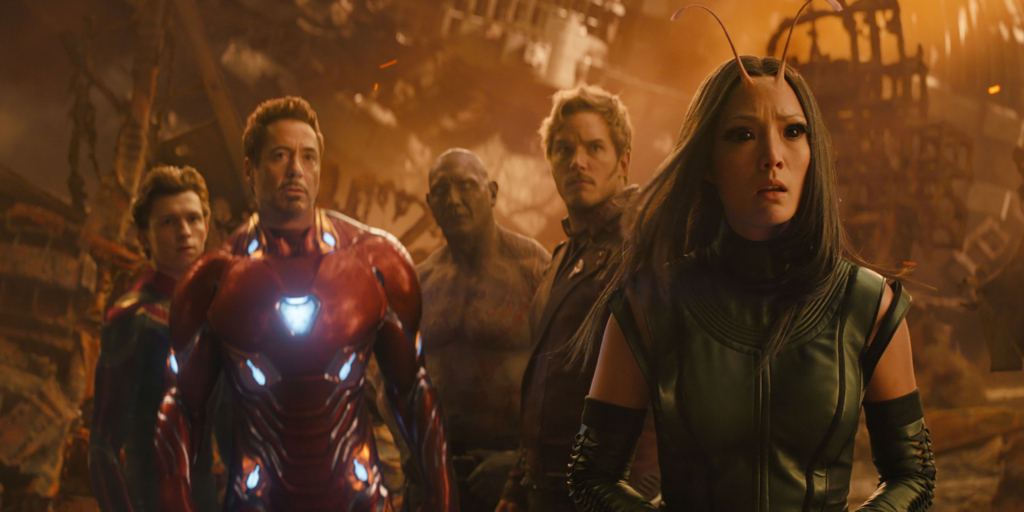
For two consecutive years, MCU crossovers like "Infinity War" and "Endgame" became cultural milestones, culminating a decade-long saga where heroes unite to face cosmic threats.

These films attract fans of all characters and keep plot details tightly under wraps, fueling anticipation and making premieres global phenomena.
While some heroes’ fates are known, the unfolding story and future of the MCU remain a mystery, drawing millions to theaters worldwide.
Why Other Studios Struggle to Replicate Marvel’s Success
Marvel’s groundbreaking approach set the industry standard, but competitors have yet to match their scale and cohesion.

Warner Bros.’ DC Extended Universe, featuring iconic heroes like Batman and Superman, rushed to introduce multiple characters before establishing individual stories, leading to underdeveloped arcs and audience confusion.
Meanwhile, the CW network’s Arrowverse presents separate versions of these heroes, further fragmenting the narrative.
Fox’s X-Men franchise faced continuity issues with inconsistent casting and multiple versions of characters like Deadpool, undermining universe unity.

Attempts to launch shared universes beyond comics, such as Universal’s "Dark Universe," faltered after poor initial reception, while other monster franchises like Godzilla and Kong offer limited crossover potential.
Why the Marvel Cinematic Universe Is More Than Just Geek Entertainment
Marvel Studios dared to build an expansive, interconnected world under Kevin Feige’s leadership, blending dozens of heroes and stories into a cohesive cultural phenomenon.
Discover engaging topics and analytical content in Inspiring Movies & TV Shows as of 08-04-2021. The article titled " How Marvel's Cinematic Universe Became a Cultural Phenomenon and Set Major Trends in Film " provides new insights and practical guidance in the Inspiring Movies & TV Shows field. Each topic is meticulously analyzed to deliver actionable information to readers.
The topic " How Marvel's Cinematic Universe Became a Cultural Phenomenon and Set Major Trends in Film " helps you make smarter decisions within the Inspiring Movies & TV Shows category. All topics on our website are unique and offer valuable content for our audience.