

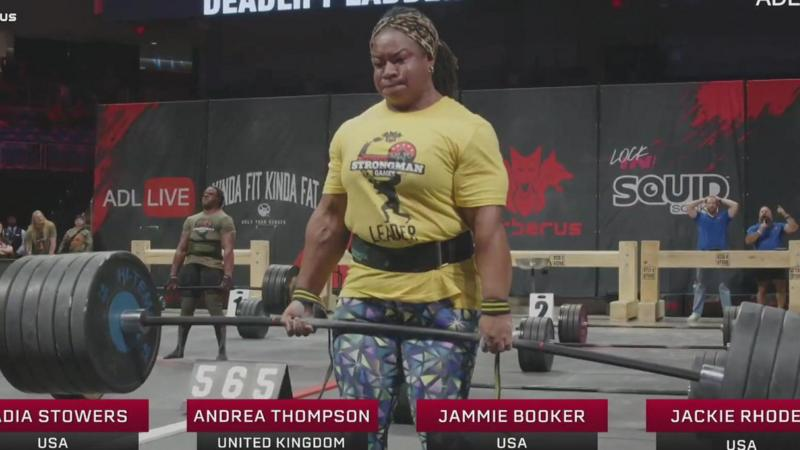

World’s Strongest Woman Title Shadowed by Ineligible Competitor Controversy, Thompson Says She Was Robbed
British strongwoman Andrea Thompson says she was robbed of victory after the original World’s Strongest Woman winner was ruled ineligible, highlighting ongoing debates over gender eligibility in sport.
In Arlington, Texas, the World’s Strongest Woman competition ended with a dramatic twist that put Andrea Thompson in the spotlight for reasons beyond her lifts.
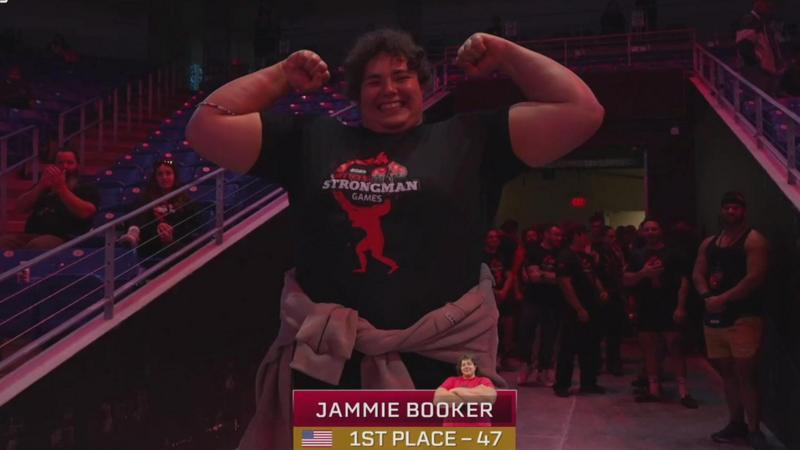
Jammie Booker, initially celebrated as the winner, was later disqualified after officials ruled she did not meet the category’s eligibility standards. Thompson was awarded the title retroactively.
Thompson told INLIBER Sport that the moment felt overshadowed by a decision she believes was improper, saying the situation was "a victory tainted by dishonesty." She added that several athletes lost opportunities on the day the results changed.
Official Strongman stated that competitors are assigned to men's or women's categories based on their birth sex, and Booker is biologically male, making her ineligible for the Women’s Open class. The governing body noted that they tried to contact Booker, but received no response.
Booker had posted strong results in other events this year, including a win at the Rainier Classic in June and a second-place finish at North America’s Strongest Woman in July. Thompson, 43, previously won the title in 2018, and this year’s retroactive victory marked her second crown.
The rules and the debate
Officials explained that athletes compete in divisions based on birth records, and the presence of an athlete who is biologically male in the Women’s Open category sparked this dispute. The organization admitted it was not aware of Booker’s status before the event.
Meanwhile, Texas has a 2023 law barring biological men from competing against female athletes in state college sports, reflecting the broader legal dimension in the United States. Thompson suggested the sport may need to consider formal screening or clearer guidelines as the field grows, noting the sport remains relatively young and underfunded.
Around the broader sports world
Similar debates have shaped other sports, with federations like World Athletics and World Boxing introducing genetics- or puberty-based screening to protect fair competition. In Britain, other bodies have followed a cautious approach in response to evolving definitions of womanhood.
The strength community saw more than 400 athletes from nearly 40 countries compete across six events over three days, including log press, timber frame carry, and deadlift ladders.
Key takeaways
- Retroactive results can redefine champions when eligibility disputes arise.
- The case highlights ongoing tensions between inclusion policies and fairness in women's sport.
- Birth-record based categorization remains the official rule, with calls for clearer guidelines ahead of future events.
- Some voices advocate for formal screening, while others warn of potential rights concerns.
Expert commentary
Dr. Maya Chen, sports ethics analyst, says clear, consistent policies are essential as inclusion expands across disciplines.
She notes boards must balance fairness with inclusion as the sport evolves and funding can constrain rapid policy changes.
Summary
The retroactive title for Andrea Thompson follows a ruling that disqualified the originally crowned winner, underscoring the ongoing debate over gender eligibility in strength sports. The incident illustrates how governance and policy decisions can dramatically shift outcomes. As the field grows, organizers face pressure to establish transparent rules that protect both inclusion and fair play.
Key insight: The case underscores the need for transparent, consistent eligibility rules as sports navigate gender inclusion. BBC Sport