

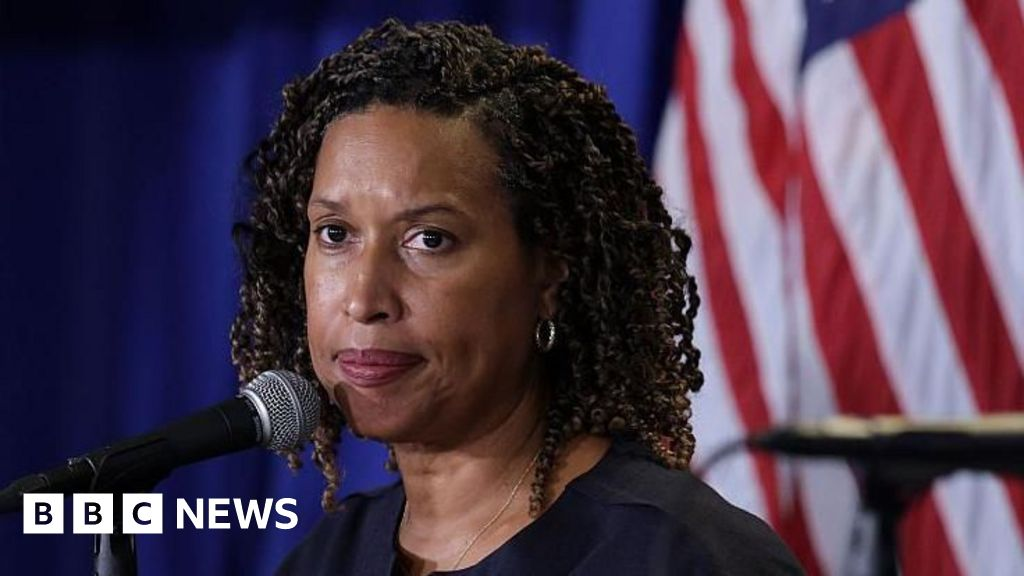

DC Mayor Muriel Bowser to Step Down: Crowded Field Emerges as She Won’t Seek Re-Election
Washington DC Mayor Muriel Bowser announces she will not run for a fourth term, ending a decade at the helm through pandemics, protests, and tense federal confrontations amid ongoing scrutiny.
In a surprise move, Washington DC Mayor Muriel Bowser announced she will not seek a fourth term in next year’s elections, marking the end of a decade of leadership that shaped policy on housing, infrastructure, and public safety.
Bowser, who has led the district since 2015, said the city is well-positioned to continue progress and that her administration laid the groundwork for successors to build on.
The Democratic mayor steered DC through turbulent years, including the COVID-19 crisis, racial justice protests, and recurring clashes with the federal government over security, funding, and control of local affairs. Her tenure included approving a Black Lives Matter mural on a major corridor toward the White House, a move that drew national attention.
With next year’s election drawing near, Bowser’s decision opens a crowded field in the Democratic stronghold, as several contenders publicly signal bids and at least two council members are expected to join the race.
"It has been the honour of my life to be your mayor," Bowser said in a video message. "But today, with a grateful heart, I am announcing that I will not seek a fourth term... For the next 12 months, let's run through the tape and keep winning for DC."
She highlighted gains in housing, the city’s pandemic response, and investments that targeted lower-income neighborhoods. Critics have argued she did not sufficiently push back against Federal deployments that accompanied periods of unrest.
Bowser has said she welcomed cooperation with law enforcement but voiced concern over the visible presence of uniformed troops on city streets. A recent federal court ruling questioned the legality of some of these deployments, adding to the broader debates about federal authority in the district.
Because DC is not a state, it relies on Congress and the White House for significant funding and policy decisions, fueling long-running campaigns for statehood that Bowser has supported. The movement remains a defining feature of her tenure, even as it faces uphill battles in Washington.
With Bowser stepping aside, at least four potential candidates have notified the elections board, and more names are expected to enter the race ahead of the November election.
Key Takeaways
- Bowser will not seek re-election, ending a decade of leadership in the capital.
- The move opens a crowded Democratic primary as several contenders prepare bids.
- The race unfolds against a backdrop of ongoing debates over DC statehood and federal authority.
Expert Commentary
Political analyst Dr. Mia Rodriguez says Bowser's exit shifts the dynamics of DC politics and intensifies the district’s push for greater autonomy. The next mayor will inherit a capital defined by resilience and a long campaign for self-government.
Summary
Bowser’s announcement ends a transformative chapter in Washington DC governance, prompting a competitive race to succeed her. The candidate field will grapple with continuing questions about the district’s status and how to balance local needs with federal oversight. As housing, safety, and infrastructure remain priorities, the city faces a pivotal moment in its evolving relationship with the federal government.
Bowser's departure reshapes DC politics, opening a crowded race as the district pursues greater autonomy and a clearer path with the federal government. BBC News