



Women in India face higher cancer incidence, men higher mortality
A recent registry study shows women account for over half of new cancer cases in India, yet men represent the majority of deaths, highlighting disparities in detection, lifestyle factors and access to care.
Paradoxical pattern in India
Women account for just over half of new cases in India, yet men account for the majority of cancer-related deaths, according to the country’s latest registry data.
Globally, men generally have higher incidence rates, but in India this trend reverses: women make up 50.3% of the 1.56 million projected cases in 2024, while men account for 56% of the 874,000 estimated deaths.
Common cancers and risk factors
Among women, breast, cervical and ovarian cancers represent 40% of all cases. Hormonal influences and lifestyle changes—such as delayed childbirth, reduced breastfeeding, obesity and inactivity—are driving a rise in these cancers. Cervical cancer is linked largely to HPV infection.
Men are more affected by oral, lung and prostate cancers, with tobacco use responsible for 40% of preventable cases. Aggressive tumours and late diagnosis contribute to higher mortality.
Regional disparities
North-eastern India faces the highest cancer risks. In Mizoram’s Aizawl district, lifetime risk is twice the national average, driven by high tobacco and alcohol consumption, areca nut chewing and specific food preparation methods. Barak Valley in Assam sees rampant chewing tobacco; neighbouring Mizoram has high smoking rates.
Elsewhere, Srinagar records the highest male lung cancer rates, while Hyderabad leads in breast cancer. Delhi shows elevated overall incidence in men even after age adjustment.
Global and national divides
Worldwide, women in high-income countries have better screening and treatment: one in 12 will be diagnosed with breast cancer, but only one in 71 will die. In low-income regions, one in 27 are diagnosed yet one in 48 die due to late detection and limited care.
“Women in lower HDI countries are 50% less likely to be diagnosed than those in high HDI nations, yet face much higher mortality due to late diagnosis and inadequate treatment,” says Isabelle Soerjomataram of IARC.
Implications and way forward
The uneven burden highlights the need for targeted prevention, early detection and lifestyle interventions. Improving access to screening for both genders, raising awareness among men and addressing regional disparities are critical steps.
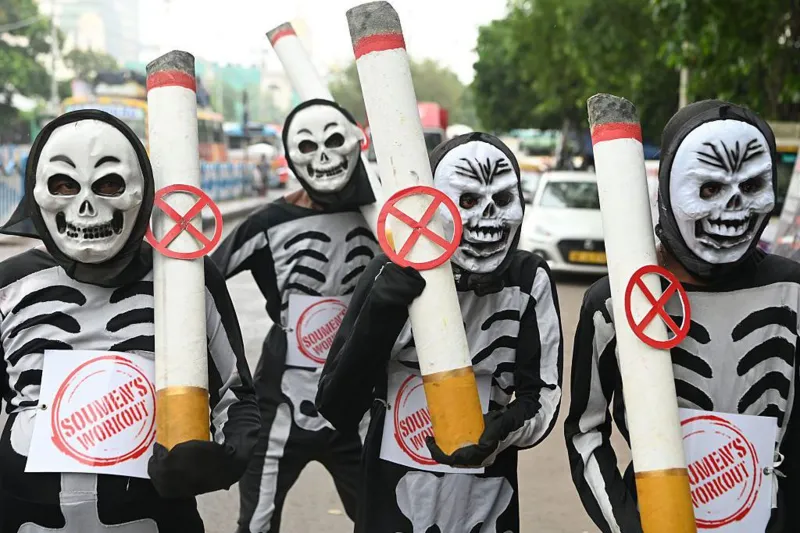

Cancer incidence is higher in Indian women, but men face worse outcomes due to lifestyle factors, late diagnosis and gaps in access to care, reflecting broader regional and socioeconomic divides.
This topic was reported by BBC.
Discover engaging topics and analytical content in World News as of 16-09-2025. The article titled " Women in India face higher cancer incidence, men higher mortality " provides new insights and practical guidance in the World News field. Each topic is meticulously analyzed to deliver actionable information to readers.
The topic " Women in India face higher cancer incidence, men higher mortality " helps you make smarter decisions within the World News category. All topics on our website are unique and offer valuable content for our audience.