


Where Our Electricity Comes From: The Role of Nuclear Power
Learn how electricity is made, why traditional fuels have limits, and how modern nuclear plants provide steady, low-emission power for homes and cities.
Electricity powers our daily life. The way it is produced has changed a lot since early coal and steam plants. Nuclear power now plays a central role in delivering reliable, around‑the‑clock electricity with relatively low emissions.
How humanity learned to generate electricity
The first electric generators appeared in the late 19th century. They used coal or wood boilers to heat water, create steam, drive a turbine, and turn a generator to produce electricity. Over time, hydroelectric plants and large gas-fired stations followed, improving scale and efficiency. Yet each option depended on a supporting resource—coal, gas, or water flow—making energy supplies vulnerable to price swings or droughts.
In 1938, German physicists Otto Hahn and Fritz Strassmann split the uranium nucleus by firing neutrons, releasing a vast amount of energy. Lise Meitner and Otto Frisch later described the process as nuclear fission, a chain reaction that yields far more energy than chemical burning.
This breakthrough enabled the use of nuclear energy to generate electricity. Today, one kilogram of uranium fuel, fully utilized, can produce energy comparable to thousands of kilograms of coal or oil, enabling a compact power source for billions of people with lower emissions.
What happens inside a nuclear power plant
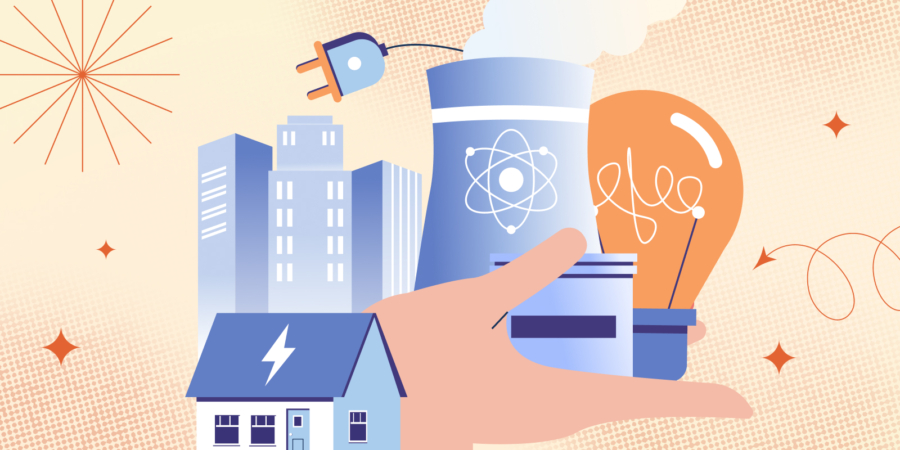
At first glance, a nuclear plant resembles a traditional thermal station: a boiler, steam, a turbine, and a generator. In a reactor, however, a controlled fission chain reaction in uranium‑235 releases heat. This heat raises the temperature of the water in the primary loop to about 320–330°C under high pressure, so it does not boil. The heat is then transferred to a secondary loop, where ordinary water becomes steam. The steam drives the turbine, the turbine powers the generator, and electricity flows to homes and businesses.
A key safety feature is that radioactive materials stay inside robust barriers and containment structures. The system uses multiple, independent layers of protection and thick shielding to prevent any release to the steam line or the environment.
Why nuclear plants run reliably in all conditions
A nuclear plant can operate at near‑full power for most of the year. Four main factors support this reliability:
- The reactor’s heat comes from a controlled nuclear fission process, which is not affected by weather or climate.
- Modern plants include comprehensive backup power and emergency cooling systems to control the reaction even if external power is lost.
- Site design accounts for earthquakes, extreme weather, and other risks, ensuring resilience.
- Robust maintenance and automated safety features keep downtime to a minimum.
How safe are modern nuclear plants?
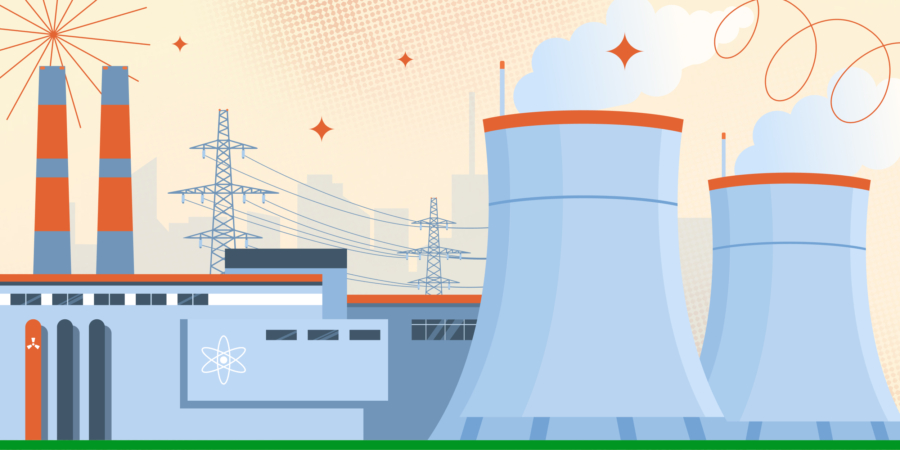
Today's reactors, particularly the latest III+ generation (for example, VVER‑1200 and VVER‑TOI), use several defensive layers:
- Four physical barriers between radioactive materials and the outside world: the fuel pellet, the fuel rod cladding, the reactor vessel, and the containment building.
- A molten‑core catchment under the reactor to hold fuel if a meltdown ever occurred.
- Passive safety systems that operate without external power or human action.
The probability of a serious accident releasing radioactivity beyond the plant is extremely low—far less than one in ten million reactor‑years of operation.
How nuclear power works in Russia
Russia operates 11 nuclear power plants with 35 reactor units and a floating station off the Arctic coast. Nuclear energy accounts for about 20% of the country’s electricity—more than all solar and wind sources combined. A new unit, the VVER‑1200 with a capacity of about 1,200 MW, can power a city of roughly one million residents. By 2035, plans include twelve more reactor units and small modular reactors for remote regions in the North and Far East.
Reprocessing of spent fuel is part of the program, with up to about 97% recycled back into the fuel cycle. Research is under way on advanced reactors, including molten‑salt designs, and engineers are developing tougher materials to withstand high temperatures and radiation. Educational programs at national labs and energy institutes prepare the next generation of engineers to work on real projects.
Key insight: Nuclear energy offers a compact, reliable power source with low emissions when built with strong safety systems and responsible waste management.