



Unlocking the Secret to Youth: How Collagen Boosts Your Body and Where to Find It
Discover the signs of collagen deficiency, the best sources to include in your diet, and expert tips on how to effectively supplement this vital protein for lasting health and beauty.
Experts reveal the symptoms of collagen deficiency and the most effective forms for supplementation.
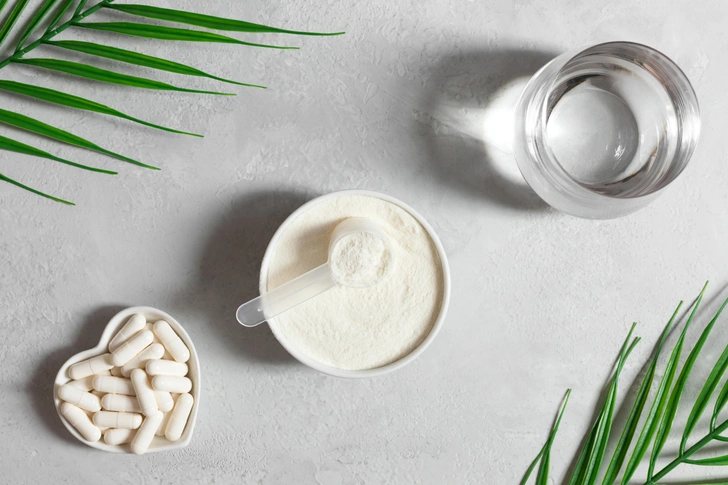
In today's wellness landscape, vitamins and supplements flood the market, making it challenging to select what truly benefits your body. Collagen supplements come in various forms—powders, capsules, and liquids—each with unique advantages.
Our health specialists consulted with leading experts to explain the differences between collagen types, identify which are essential for joint health, recognize deficiency symptoms, and determine the ideal age to start preventive intake.

Important! Collagen products are classified as dietary supplements, cosmetics, or sports nutrition—not pharmaceuticals. Therefore, their efficacy and safety requirements differ from medications. These supplements are primarily recommended for preventive health support.

What Is Collagen?
Collagen is one of the most abundant structural proteins in the human body, serving as the building block for teeth, bones, muscles, skin, and connective tissues. It accounts for approximately 25–35% of total body protein, with genetic factors influencing individual collagen quality.
Dr. Vladislav Mitrokhin, head of clinical pharmacology at Novosibirsk Regional Hospital, explains: "Collagen contains amino acids such as glycine, hydroxyproline, and proline, which promote new protein synthesis. Additionally, collagen forms the walls of veins, arteries, and capillaries."
The term 'collagen' originates from the Greek word 'kolla,' meaning 'glue,' reflecting its primary function as a binding agent. Collagen molecules form long, thin protein fibers called fibrils that hold cells together, maintaining tissue integrity and providing resistance to stretching.
"As we age, collagen levels naturally decline. Fibrils degrade faster while collagen production slows down, leading to early signs of aging such as thinner, less elastic skin, wrinkles, fragile bones, and reduced joint mobility," says Dr. Mitrokhin.
Orthopedic trauma specialist Alexander Alekperov from Novosibirsk Research Institute notes that collagen absorption decreases after age 25, accompanied by gradual weakening of tendons and cartilage structures.

Types of Collagen
There are at least 28 collagen types in nature, each with distinct amino acid compositions and functions. Although disorders in collagen synthesis are rare, experts typically focus on four main types:
Type I: The most abundant, making up about 90% of collagen in the human body. It forms strong, elastic fibers responsible for skin, bones, tendons, teeth, blood vessels, and connective tissue.
Type II: Composed of looser fibers, this collagen forms cartilage and supports flexible, healthy joints.

Type III: The second most common type, consisting of thinner, more stretchable fibrils. It maintains muscle, internal organ structure, and large arteries, and assists in assembling Type I collagen fibers. It is concentrated mainly in intestinal walls, and deficiency increases the risk of blood vessel rupture.
Type IV: Found in basal membranes—the deep skin layer connecting dermis and epidermis—and involved in eye lens structure. Unlike the first three, it does not form fibrils but exists as a fine three-dimensional mesh.

Dr. Alekperov emphasizes that Types I and II are crucial for the musculoskeletal system: Type I predominates in tendons and ligaments, while Type II is essential for cartilage. Insufficient collagen in these areas increases injury risk.
Natural Food Sources of Collagen
Maintaining collagen levels through nutrition involves consuming collagen-rich foods such as bone broth, egg whites, gelatin, chicken, beef, fish, and seafood.
"Fruits and vegetables, while not containing collagen, provide amino acids and vitamins vital for collagen production," notes Dr. Mitrokhin.
Particularly beneficial are citrus fruits, blackcurrants, strawberries, carrots, broccoli, red peppers, leafy greens, nuts, and legumes.

Upon ingestion, digestive enzymes break collagen into amino acids and peptides. Supplements often contain hydrolyzed collagen, which experts believe is absorbed more efficiently than collagen from whole foods. Additionally, collagen supplements stimulate the production of other proteins that improve skin health.

Factors That Reduce Collagen Production
While collagen synthesis declines naturally with age, lifestyle choices significantly impact collagen integrity. Factors damaging collagen-containing tissues include diets high in sugar and low in protein, alcohol and drug use, smoking, hormonal imbalances, sleep deprivation, environmental pollution, chronic stress, and sedentary habits.
Recognizing Collagen Deficiency
"Collagen synthesis depends on adequate levels of microelements such as zinc, selenium, copper, silicon, sulfur, and vitamins A, D, and E," explains Dr. Mitrokhin.
Signs of collagen deficiency include reduced skin elasticity and firmness, brittle nails with poor growth, muscle weakness, vision deterioration, joint pain, and more.

Rheumatologist Elena Lebedeva from Voronezh adds that collagen reduction may cause sagging facial contours, weight gain, dry and fragile skin, drooping mouth corners, eyelid sagging, joint stiffness with cracking and pain, as well as dull, split hair ends.
Excess collagen is also problematic, potentially causing fibrosis—excess connective tissue growth—often linked to chronic inflammation. Severe fibrosis can impair organ function.
Testing Collagen Levels
Dr. Lebedeva states that collagen metabolism assessment is typically conducted under medical supervision and includes blood and urine tests for minerals like calcium, copper, iron, phosphorus, manganese, zinc, biochemical markers, hormones, and specific collagen metabolism markers, alongside instrumental diagnostics.
How to Supplement Collagen Effectively
Dr. Mitrokhin recommends daily collagen intake of 2,500–5,000 mg, combined with vitamin C to optimize collagen formation and provide antioxidant protection.
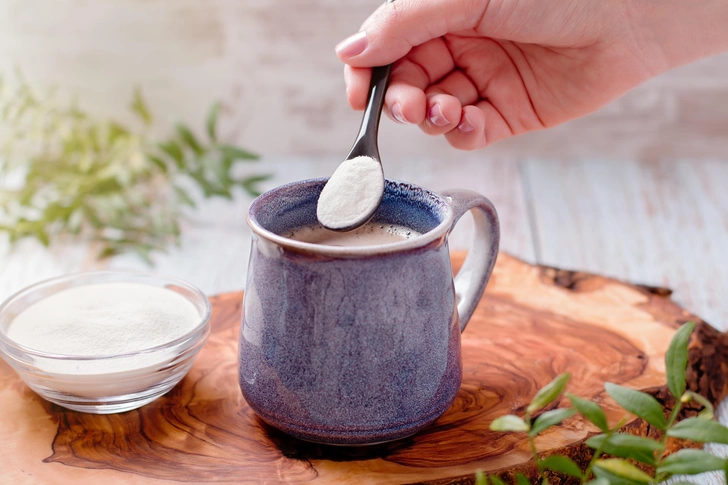
"Collagen powder can be mixed into water, juices, smoothies, or soups. It often has an unpleasant odor; to avoid this, choose liquid or capsule forms. For natural collagen support, maintain a balanced diet rich in protein, copper, and vitamins C and E," he advises.

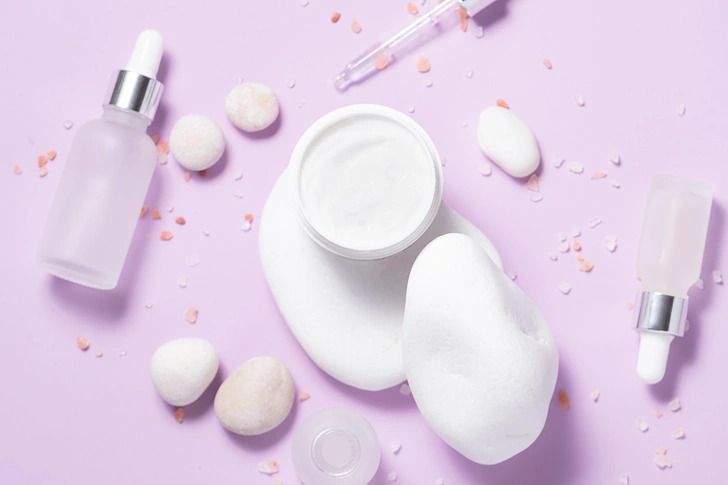
Beyond oral supplements, collagen is also administered via injections, cosmetic procedures, and topical products targeting affected skin areas. However, creams and lotions containing collagen offer limited benefits as collagen molecules are too large to penetrate deep skin layers.
Dr. Mitrokhin explains, "Such cosmetics mainly provide surface hydration by forming a breathable protective film that prevents moisture loss. Their effectiveness improves if combined with hyaluronic acid."
Advanced methods like collagen injections deliver protein directly into the dermis, stimulating natural collagen production, repairing damaged fibers, smoothing skin texture, reducing wrinkle depth, and enhancing hydration.
Benefits of Collagen Intake and Administration
"Collagen offers numerous benefits, including delaying wrinkle formation, smoothing skin, and boosting its protective barrier. It may also reduce anxiety, improve mood, support weight management, and normalize gut function," says Dr. Mitrokhin.
Scientifically proven advantages include improved skin condition, reduced joint pain, osteoporosis prevention, enhanced nail and hair growth, and increased muscle mass.

Animal, Marine, and Plant-Based Collagen: What’s the Difference?
Dr. Mitrokhin clarifies that animal-derived collagen, often called "bovine," is sourced from cattle hides. Due to its large molecular size, it cannot penetrate the skin’s protective barrier when included in cosmetics.
Marine collagen, extracted from fish skin and bones, is the easiest for the body to absorb. However, marine collagen cosmetics carry a higher allergy risk and cost more due to temperature sensitivity during production and storage.
"The term 'plant-based collagen' is somewhat misleading. Collagen is inherently an animal protein. What is often called plant collagen is actually hydrolyzed wheat protein, which mimics collagen properties," explains Dr. Mitrokhin.

He adds that plant-based collagen penetrates the skin better due to its lower molecular weight, but its high-tech, costly production results in higher product prices.
Precautions and Contraindications
Collagen supplements are generally safe for most individuals with minimal contraindications. However, some contain common allergens such as eggs, cow’s milk, fish, seafood, nuts, wheat, or soy, so reviewing ingredient lists is essential before use.
"People with kidney or liver conditions should use collagen cautiously, as excess protein intake increases organ strain. Pregnant and breastfeeding women should only take collagen supplements under strict medical supervision," advises Dr. Mitrokhin.
Occasionally, collagen supplements may cause unpleasant taste, heartburn, or a feeling of fullness.
Explore more insightful health content on our Telegram channel.
Photo credits: Shutterstock/Fotodom.ru
Explore useful articles in Health & Wellness as of 12-08-2022. The article titled " Unlocking the Secret to Youth: How Collagen Boosts Your Body and Where to Find It " offers in-depth analysis and practical advice in the Health & Wellness field. Each article is carefully crafted by experts to provide maximum value to readers.
The " Unlocking the Secret to Youth: How Collagen Boosts Your Body and Where to Find It " article expands your knowledge in Health & Wellness, keeps you informed about the latest developments, and helps you make well-informed decisions. Each article is based on unique content, ensuring originality and quality.