


Unlocking Strength: How Physical and Occupational Therapy Empower Those with Myasthenia Gravis
Discover effective physical and occupational therapy strategies designed to boost stamina, reduce fatigue, and improve daily life management for individuals with Myasthenia Gravis.
Myasthenia Gravis (MG) is a chronic autoimmune condition that leads to muscle weakness, often impacting everyday activities. Fortunately, tailored physical therapy (PT) and occupational therapy (OT) can play a vital role in managing these symptoms effectively.
MG occurs when the immune system mistakenly attacks the neuromuscular junction—the critical connection point between nerves and muscles—disrupting communication and causing muscles to weaken and tire easily.
Symptoms typically improve with rest and are more manageable in the morning, but fatigue tends to increase as the day goes on.
Engaging with both occupational and physical therapists offers personalized support and practical strategies to help mitigate the challenges posed by MG.
Role of Occupational Therapy in Managing Myasthenia Gravis
Occupational therapists specialize in helping individuals maintain independence despite health challenges. For those with MG, OTs focus on enhancing daily living skills and adapting environments to promote safety and comfort.
Key OT interventions include:
- Teaching energy-saving techniques to optimize daily activities
- Recommending home modifications that improve safety and ease of movement
- Providing training on assistive devices and mobility aids
Examples of energy conservation might involve using shower chairs, wheeled laundry baskets, or utilizing grocery delivery services to reduce physical strain.
Physical Therapy’s Contribution to MG Care
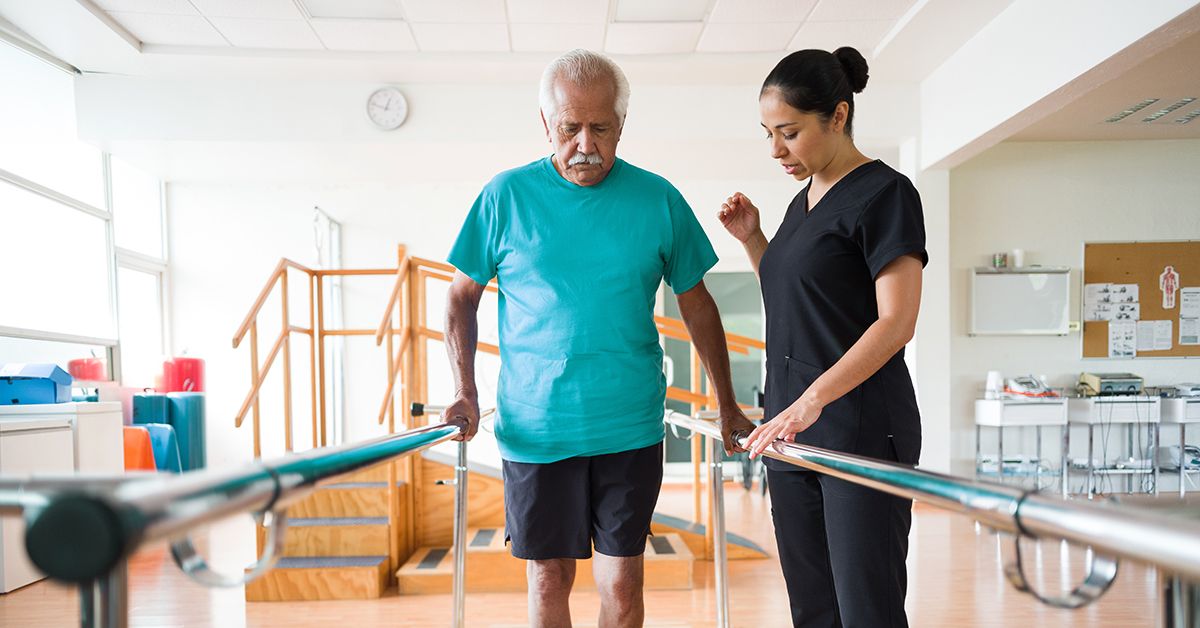
Physical therapists focus on improving movement, strength, and overall physical function. For MG patients, PTs assess muscle weakness and endurance to create safe, effective exercise plans.
Physical therapy benefits include:
- Evaluating muscle strength and fatigue levels
- Enhancing functional mobility and stamina
- Guiding exercises to improve balance, flexibility, and posture
- Teaching pacing techniques to conserve energy
- Incorporating breathing exercises to support respiratory health
Collaborative Care: How PTs and OTs Work Together
PTs and OTs coordinate to develop a comprehensive daily living plan tailored to individual needs. This collaboration ensures therapies complement each other without causing additional fatigue.
They may also collaborate with speech-language pathologists to address communication and swallowing challenges, providing holistic support.
Recommended Exercises for Individuals with Myasthenia Gravis
While fatigue can limit activity, regular, carefully managed exercise is essential to maintain muscle strength and overall health. It’s crucial to monitor exertion levels and avoid overexertion.
Consider the following exercise types, always with safety precautions and ideally with supervision:
- Walking: Maintain a comfortable pace on flat, safe surfaces, avoiding harsh weather and traffic.
- Stationary Cycling: Control speed and resistance to prevent fatigue while seated.
- Swimming: Swim in shallow water with a companion present, steering clear of extreme temperatures.
- Light Weight Training: Use light weights with limited repetitions, stopping before fatigue sets in.
- Treadmill Use: Employ safety features like handrails and safety tethers, keeping speed and incline minimal.
- Balance Exercises: Enhance stability to reduce fall risk and improve muscle endurance.
- Stretching: Regular stretches support muscle and joint health and alleviate discomfort.
- Breathing Exercises: Respiratory muscle training can reduce fatigue and enhance breathing efficiency.
For those with mild to moderate MG, aiming for at least 150 minutes of moderate exercise weekly is beneficial, provided symptoms are well-managed.
Always consult healthcare providers before starting or adjusting exercise routines, especially during symptom flare-ups.
Timeline for Seeing Improvements
Individual responses vary, but many notice gradual benefits within weeks of consistent therapy and exercise. Energy-saving strategies can provide immediate relief by reducing daily physical demands.
Key Takeaways
Myasthenia Gravis disrupts nerve-muscle communication, leading to muscle weakness and fatigue. Occupational therapy empowers patients by teaching energy conservation and environmental adaptations, while physical therapy strengthens muscles and improves mobility.
Coordinated care among therapists and healthcare professionals ensures balanced support, maximizing benefits without overwhelming the patient.
Discover the latest news and current events in Sexual Wellness as of 26-02-2024. The article titled " Unlocking Strength: How Physical and Occupational Therapy Empower Those with Myasthenia Gravis " provides you with the most relevant and reliable information in the Sexual Wellness field. Each news piece is thoroughly analyzed to deliver valuable insights to our readers.
The information in " Unlocking Strength: How Physical and Occupational Therapy Empower Those with Myasthenia Gravis " helps you make better-informed decisions within the Sexual Wellness category. Our news articles are continuously updated and adhere to journalistic standards.