

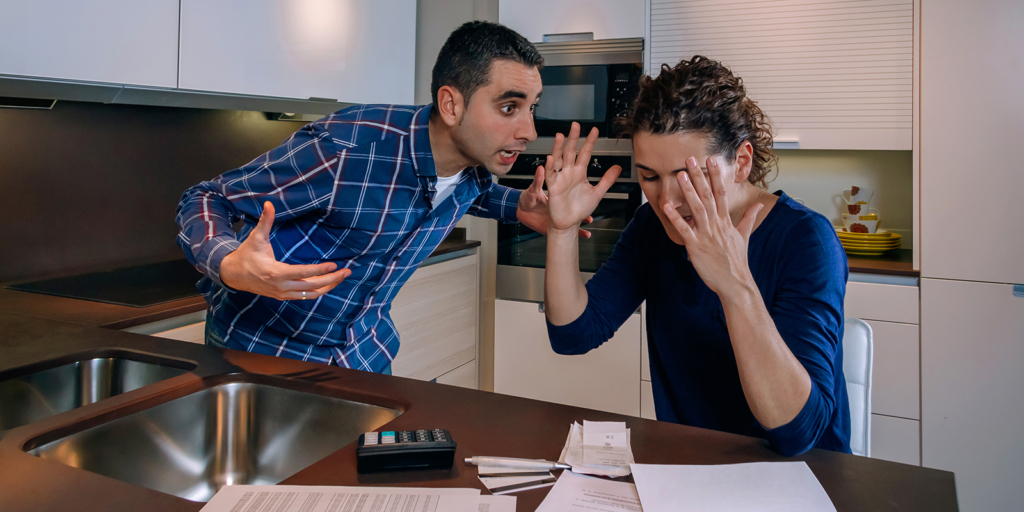

Understanding Economic Abuse: Recognize It and Take Control
Economic abuse often goes unnoticed, yet it lays the groundwork for other forms of abuse. Learn how to identify economic abuse early and take effective steps to regain your independence.
Economic abuse is a subtle yet powerful form of control that often remains hidden, even from those experiencing it. However, it creates a foundation for various other types of abuse.
While emotional and physical abuse in relationships are widely discussed, economic abuse—also known as financial abuse—frequently stays in the shadows. This form of abuse leaves victims extremely vulnerable and significantly complicates their lives.
What Is Economic Abuse?
Economic abuse is a type of domestic violence where one individual controls the finances of their partner, adult child, parent, or another close person against their will. The abuser’s goals include appropriating the victim's money, asserting power, and increasing the victim’s dependence.
The exact prevalence of economic abuse is unknown. Often, it coexists with other abuse types and can remain undetected by the victim for a long time.
According to Anastasia Markova, a psychologist:
Economic abuse is present in many families worldwide for several reasons:
- Low income levels persisting across generations;
- The necessity to control expenses, which shapes behavioral patterns learned in childhood and carried into adult family life.
Economic abuse can occur independently but is more commonly linked with psychological or physical abuse.
Statistics from American domestic violence organizations reveal that financial control and pressure appear in approximately 98% of abusive relationships.
A survey conducted in Russia indicated that nearly 40% of men believe that financially supporting a spouse grants them authority over her, including the right to restrict her employment. About 26% of women reported experiencing at least one form of economic pressure from their husbands, with 13% facing severe financial restrictions combined with humiliation.
Note that this data is somewhat dated and focused on married couples; current figures and other family dynamics might differ.
Signs of Economic Abuse
Economic abuse manifests in various ways, all involving control or pressure related to money.
Restricting Access to Personal Funds and Property
Victims may have their money and valuables taken under various pretexts. Access to bank accounts can be limited by confiscating cards, phones, or other devices. The abuser spends the victim’s money at their discretion, often leaving little or nothing and providing no explanations or accountability.
Limiting the Victim’s Ability to Earn
This can range from subtle persuasion to outright prohibition. An abuser might convince the victim to quit their job or switch to a lower-paying position, citing stress or family needs. They may create hostile environments—morning arguments, emotional breakdowns, deliberate interference—to prevent work attendance or threaten and manipulate the victim into staying home.
Strict Monitoring of Expenses
Abusers demand detailed accounting of every expense and criticize or punish any spending they disapprove of.
Withholding Money From Vulnerable Victims
Illness, disability, job loss, or childcare leave can hinder a person’s ability to earn. Typically, such individuals rely on financial support from partners, which is often legally mandated. However, abusers exploit this vulnerability by withholding funds, demanding humiliating requests, or providing minimal support under harsh conditions.
Coercing the Victim Into Debt
Victims may be pressured to take loans or other financial obligations against their will.
Undermining the Victim’s Financial Confidence
Through constant criticism and insults about money management skills, abusers erode the victim’s self-esteem, sometimes leading victims to hand over money voluntarily out of fear or belief in their own incompetence.

Alexander Yaroshevsky, Psychologist:
Financial abuse is a method to assert dominance, not just to highlight earning disparities but to humiliate the victim. The abuser's criticism and control prevent the victim from gaining financial independence, ensuring continued subjugation.
When Financial Control Is Not Abuse
Money matters within families are complex, with no universal rules defining financial responsibilities or management.
Distinguishing between normal financial disagreements and abuse can be challenging. For example, if a spouse breaks an agreement about spending, it may cause conflict but does not necessarily constitute abuse.
Each situation requires individual assessment, but certain scenarios are clearly not economic abuse:
Refusal to Support Without Legal Obligation
Adults are not obligated to support others unless legally required due to illness, job loss, pregnancy, childcare leave, or disability. Refusal to provide support in the absence of such conditions is not abuse.
Mutual Agreements on Financial Roles
Couples may agree that one partner works while the other manages household duties and finances. Such arrangements are not abusive unless accompanied by manipulation, threats, or secrecy.
Consequences of Economic Abuse
Economic abuse increases vulnerability to psychological and physical abuse, especially among women, who experience financial abuse at significantly higher rates in many countries.
Financial dependency empowers abusers to deepen control and escalate abuse.
Moreover, economic abuse severely impacts victims' mental and physical health.
Anastasia Markova, Psychologist:
Chronic financial domination can lead to:
- Low self-esteem;
- Guilt and shame;
- Phobias and anxiety disorders;
- Depression;
- Post-traumatic stress disorder;
- Neurotic states;
- Suicidal thoughts and intentions.
Stress from abuse also causes physical symptoms such as:
- Insomnia;
- Body aches and migraines;
- Weakened immunity;
- Gastrointestinal issues like gastritis and ulcers;
- Cardiovascular problems;
- Irritable bowel syndrome.
Financial difficulties worsen, with victims losing assets and earning capacity, while psychological pressure drains their strength to seek help.
Why People Become Economic Abusers
Psychologist Anastasia Markova explains that roots often trace back to childhood experiences in abusive households where economic control was normalized.
Other factors include:
Some individuals derive satisfaction from manipulating others. Combined with low empathy, this leads to abusive behavior. They may lack self-awareness and fail to recognize their actions as abusive. For some, abuse is a way to gain attention and control.
Abusers often carry unresolved pain, anxiety, and insecurity. While this doesn't excuse their behavior, it highlights that they too need help.
Steps to Take If You Are Facing Economic Abuse
Your safety and well-being are paramount.
1. Prioritize Your Safety and Leave If Necessary
If your life or health is at risk due to physical violence or threats, leaving the relationship promptly is critical, despite the challenges.
Anastasia Markova:
Leaving an abuser is difficult due to lack of resources, fear of retaliation, and uncertainty about the future. However, it is a vital step toward a safer, more fulfilling life.

Alexander Yaroshevsky:
Ending abusive relationships preserves your dignity and opens the door to financial independence and healthier partnerships.
2. Attempt Dialogue If You Are Not Ready to Leave
When there is no physical or severe emotional abuse, consider discussing the issue or seeking family therapy. Approach conversations without blame, focusing on behaviors and solutions using 'I' statements, such as:
- "I feel upset when..."
- "Please don't do that anymore..."
- "Let's figure out our budget together."
If peaceful discussions fail, prioritize your safety and consider leaving.
3. Build Financial Independence
Start by:
- Finding employment, even part-time;
- Exploring side income opportunities like freelancing, tutoring, crafts, repair, or cleaning services—often possible without your partner’s knowledge;
- Opening a separate bank account and saving steadily.
Financial autonomy strengthens your ability to resist abuse and exit harmful situations.
4. Seek Support
Reach out to trusted friends, family, domestic violence shelters, therapists, or support groups. Assistance from those who understand your experience provides emotional strength and courage.
Anastasia Markova:
It’s challenging to objectively assess abusive relationships alone. Professional help clarifies feelings and offers guidance. Support groups and crisis centers connect you with others who have faced similar challenges, providing hope and practical advice.
Seeking help is a sign of strength, not weakness. Everyone deserves safety and respect—your life is invaluable.
Explore useful articles in Inspiring Categories as of 05-02-2022. The article titled " Understanding Economic Abuse: Recognize It and Take Control " offers in-depth analysis and practical advice in the Inspiring Categories field. Each article is carefully crafted by experts to provide maximum value to readers.
The " Understanding Economic Abuse: Recognize It and Take Control " article expands your knowledge in Inspiring Categories, keeps you informed about the latest developments, and helps you make well-informed decisions. Each article is based on unique content, ensuring originality and quality.