

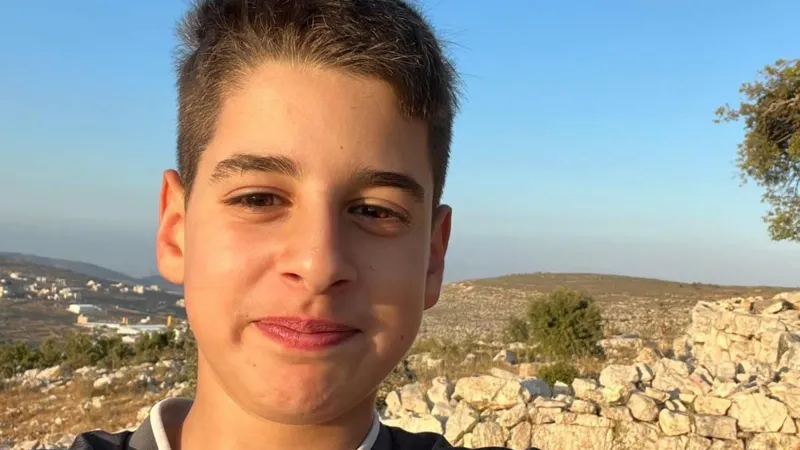

Palestinian-American teen to face Israeli court after nine months in detention without charges
A Palestinian-American teenager from Florida awaits an Israeli court hearing after nine months in detention without charges, while U.S. lawmakers press Israel to release him.
A Palestinian-American teenager awaits a court appearance in Israel after spending nine months in detention without charges. Mohammed Ibrahim, 16, from Florida, was detained during a February family trip to the West Bank and has been held without formal charges since then.
What happened
Mohammed was arrested during a late-night raid on his family's holiday home in al-Mazraa al-Sharqiya in the central West Bank when he was 15. He remains in custody at Ofer prison as the case moves through the Israeli legal system.
Detention and charges
Israeli authorities describe the incident as a serious, potentially deadly crime against settlers and say the case is proceeding under due process. Mohammed's family says he is a normal teenager who enjoys sports, video games, and school, and denies involvement in violence.
Family members allege mistreatment and coercion, with court filings reportedly describing an abrupt arrest and a forced confession. Mohammed's father says his son has endured a long, difficult period with weight loss and limited contact with family. The government has not publicly commented on these allegations.

The U.S. embassy has assigned a caseworker who visited Mohammed and raised concerns about his health and nutrition during detention.
International response
U.S. lawmakers pressed for action, with Senator Chris Van Hollen leading a group of 27 members in a letter to the State Department and the White House, urging stepped-up efforts to secure Mohammed's release. They argued the United States should protect its citizens abroad and push for due process.
Washington says it is tracking the case and coordinating with Israeli authorities. The U.S. ambassador to Israel and embassy staff in Jerusalem are involved, though they have limited public comments due to privacy and security considerations.
Context and broader picture
Mohammed's case has attracted particular attention because he is an American citizen who was in the West Bank for a family visit. Israel detains hundreds of Palestinian children each year, with rights groups and the United Nations warning that some detainees have not been charged and may endure abuse or torture in some cases.
What comes next
Mohammed is expected to appear in an Israeli court later this week as the legal process moves forward.
Conclusion
The case highlights ongoing concerns about the treatment of minors in security detentions and the role of diplomacy in protecting dual-national citizens abroad.
Key Takeaways
- Nine months in detention without charges raises serious due-process questions for a minor.
- U.S. lawmakers are urging stronger diplomatic pressure to secure release.
- The case underscores the vulnerability of Palestinian children in detention and the need for robust protections.
Expert comment
Expert note: Legal experts say detentions of minors without formal charges raise significant rights concerns and demand independent oversight. The case underscores the importance of due process and consistent protections for children in conflict zones.
Summary
The nine-month detention of Mohammed Ibrahim without formal charges has intensified scrutiny of the treatment of minors in Israeli custody and the responsibilities of diplomats abroad. With ongoing engagement from U.S. officials, the case remains a focal point for discussions about due process, rights, and citizen protection in conflict areas. As the court date approaches, observers await clarity on the legal basis for detention and the treatment of the teenager.
Key insight: Dual-national minors in conflict zones require transparent, timely due process and robust diplomatic channels to safeguard their rights. Source