


Is Milk Thistle Truly as Beneficial as Believed?
Scientific studies confirm milk thistle's benefits for liver, brain, bones, and skin. The flavonoids in milk thistle theoretically combat numerous health conditions.
Lifehacker has reviewed research on this remarkable plant.
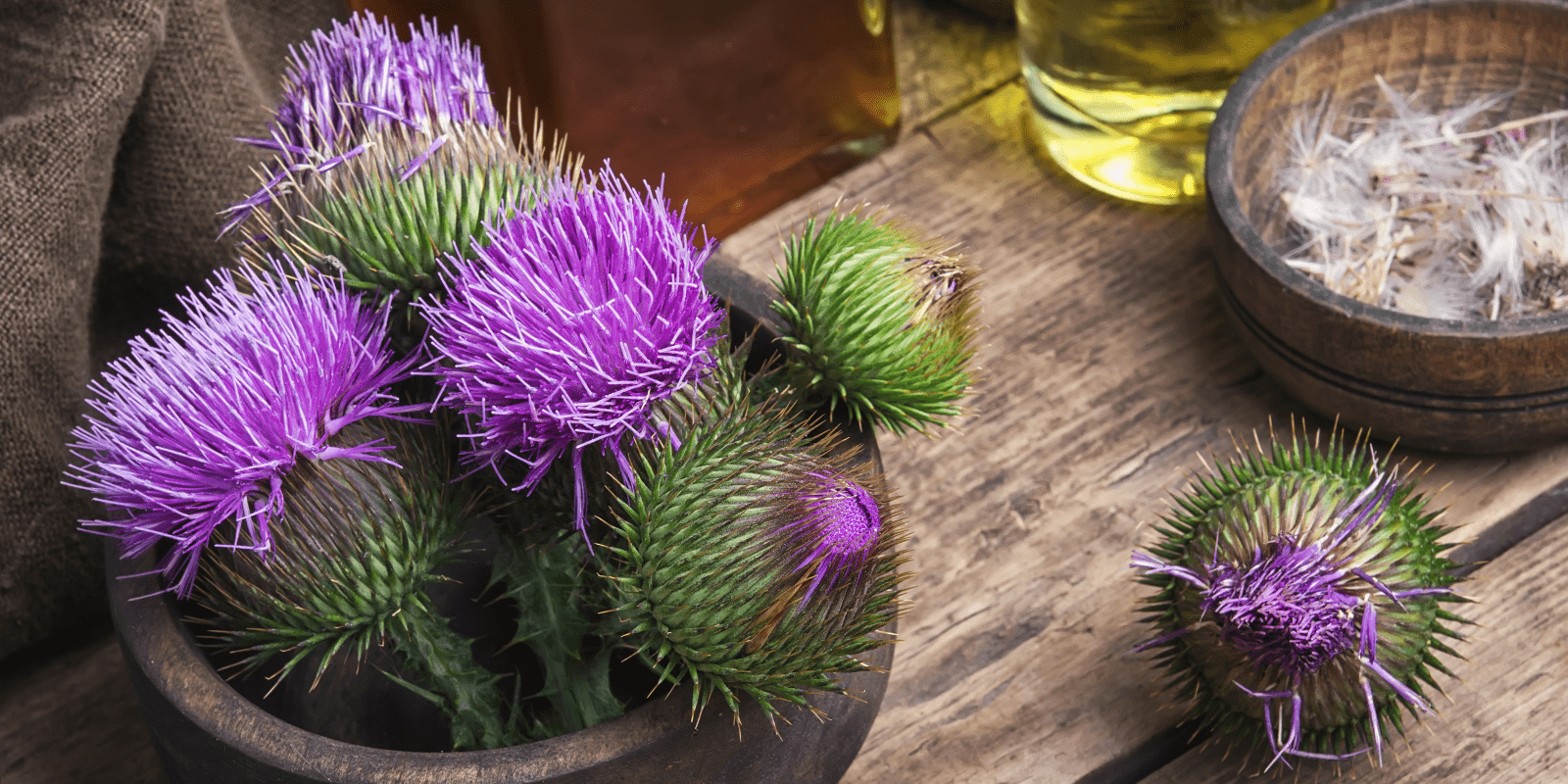
Milk thistle, also known as silybum marianum, is often dismissed as a weed. Yet, it holds considerable health value. Its seeds contain compounds collectively called 'silymarin,' a blend of flavonoids with potent anti-inflammatory and antioxidant effects.
What Makes Milk Thistle Beneficial?
Thanks to the flavonoids’ ability to fight free radicals and inflammation, milk thistle is considered a potential superfood. Theoretically, it may help slow aging, fight infections, reduce chronic inflammation, support cardiovascular health, protect against dementia, and even combat cancer. However, clinical evidence remains limited, so it's premature to make definitive claims.
Here are the scientifically supported benefits of milk thistle, at least partially validated.
1. Protects and Supports Liver Health
Milk thistle is best known as a powerful natural hepatoprotective agent—helping to reduce liver damage caused by diseases and toxins. Supplements derived from its seeds are often recommended to improve conditions such as:
- Various forms of hepatitis;
- Alcohol-related liver disease;
- Non-alcoholic fatty liver disease;
- Cirrhosis;
- Liver cancer.
Silymarin has also shown promise as an antidote for poisoning from certain toxic mushrooms that cause acute liver failure.
Researchers believe silymarin reduces liver inflammation and damage through its antioxidant properties.
However, not all studies have confirmed milk thistle’s liver-protective effects. More research is needed before mainstream medicine fully endorses it.
2. Slows Brain Aging
Humans have used milk thistle for over 2,000 years to treat neurological disorders, including Alzheimer’s and Parkinson’s diseases.
Given silymarin’s strong anti-inflammatory and antioxidant powers, it may indeed shield the brain from stress and age-related decline.
Animal studies support this: silymarin supplements have slowed cognitive decline in aging rats and reduced Alzheimer’s symptoms in mice.
Yet, human trials are still lacking, so the exact dosage and effectiveness for dementia prevention remain unclear.
3. Regulates Blood Sugar in Type 2 Diabetes
Compounds in milk thistle act similarly to some diabetes medications by improving insulin sensitivity and lowering blood sugar levels.
Moreover, silymarin’s antioxidant and anti-inflammatory effects might reduce the risk of diabetes complications, such as kidney disease.
Despite promising findings, more studies are necessary before milk thistle can be officially recommended for managing type 2 diabetes.
4. Strengthens Bones
Laboratory and animal studies indicate that silymarin promotes bone mineralization, enhancing bone strength. This could benefit individuals with osteoporosis.
5. May Boost Breast Milk Production
Traditional medicine suggests milk thistle tea helps nursing mothers increase milk supply—and there is some evidence to support this.
One randomized controlled trial found that new mothers taking 420 mg of silymarin daily for 63 days produced 64% more breast milk compared to those given a placebo.
Unfortunately, this is the only study so far, and further research is needed to confirm these effects.
6. Helps Combat Acne
Oxidative stress, caused by free radicals damaging skin cells, plays a key role in acne development. Thanks to its strong antioxidant properties, milk thistle may help alleviate acne symptoms.
This theory is supported by research showing a 53% reduction in acne lesions among individuals taking 210 mg of silymarin daily for eight weeks.
Are There Any Risks Associated with Milk Thistle?
Generally, milk thistle is safe when taken in doses up to 420 mg of silymarin per day, though higher doses have not been extensively studied.
Some people may experience side effects such as:
- Bloating, nausea, diarrhea, or constipation;
- Skin itching;
- Headaches.
More serious reactions are rare but possible. Medical professionals advise against milk thistle supplements for:
- Individuals allergic to plants in the Asteraceae family (e.g., ragweed, chamomile, marigold, chrysanthemum), as they risk severe allergic reactions, including anaphylaxis;
- Women with conditions like endometriosis, uterine fibroids, or hormone-sensitive cancers (breast, uterine, or ovarian), since milk thistle may raise estrogen levels and potentially worsen these diseases.
Limited clinical data suggest milk thistle is safe for pregnant and breastfeeding women, but more evidence is needed. Discontinue use if any adverse effects occur.
People with diabetes should be cautious, as milk thistle might cause blood sugar to drop too low, leading to hypoglycemia.
Should You Take Milk Thistle and How?
Milk thistle can be beneficial if you have no contraindications or side effects and your healthcare provider approves.
It is available as tablets, capsules, liquid extracts, dried crushed seeds, or seed powder. Each form contains varying amounts of silymarin, usually specified on the packaging.
To achieve health benefits, a daily dose of 200–400 mg of silymarin is recommended, matching doses used in most clinical studies.
Explore useful articles in Healthy Lifestyle & Wellness as of 08-01-2025. The article titled " Is Milk Thistle Truly as Beneficial as Believed? " offers in-depth analysis and practical advice in the Healthy Lifestyle & Wellness field. Each article is carefully crafted by experts to provide maximum value to readers.
The " Is Milk Thistle Truly as Beneficial as Believed? " article expands your knowledge in Healthy Lifestyle & Wellness, keeps you informed about the latest developments, and helps you make well-informed decisions. Each article is based on unique content, ensuring originality and quality.