

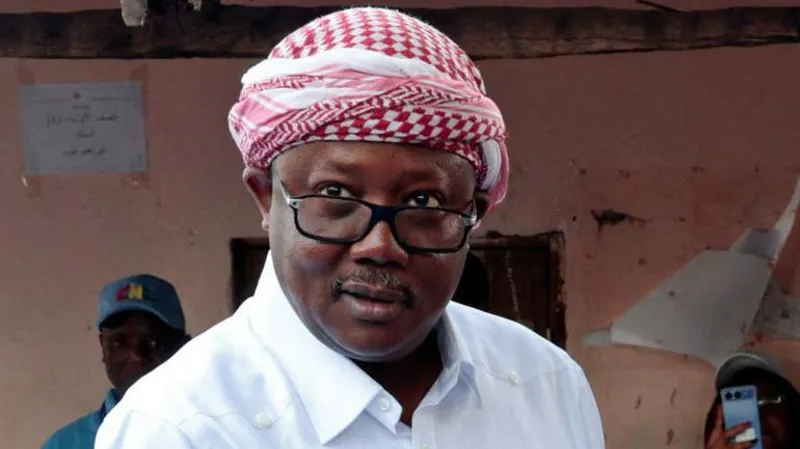

Guinea-Bissau Coup: Embaló Flees to Senegal as Military Seizes Power
Ousted Guinea-Bissau president Umaro Sissoco Embaló arrives in Senegal after a military coup, as ECOWAS mediates and a transitional government takes charge.
Umaro Sissoco Embaló has fled Guinea-Bissau after the military toppled his government. He arrived in Senegal on a chartered military plane, with regional bloc ECOWAS coordinating the transfer to ensure his safety.
The army in Guinea-Bissau has already named Gen Horta N'Tam as interim leader for about a year, signaling a rapid shift in power amid a volatile political crisis.
What happened
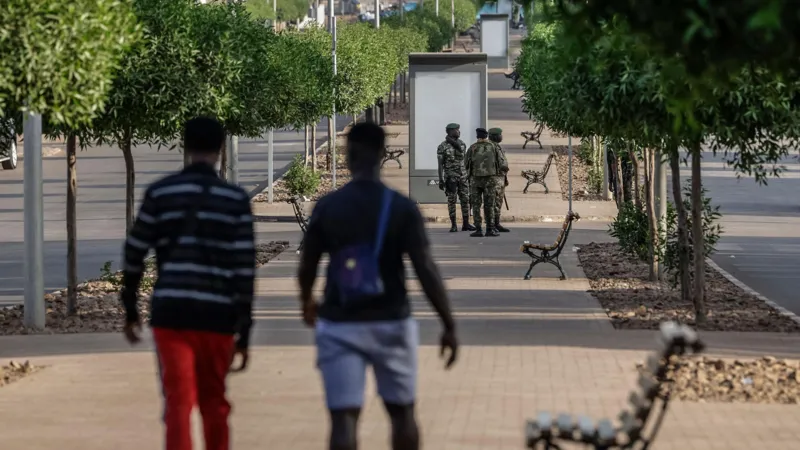
The upheaval occurred a day before authorities were due to publish provisional results from presidential and parliamentary elections. The military suspended the voting process and said it acted to block a plot by unnamed politicians with alleged drug-trafficking ties, and it imposed a curfew overnight.
Guinea-Bissau—located between Senegal and the Atlantic coast—has earned a reputation as a transit route for drugs, and the armed forces have long played a major role since independence in 1974.
Public reaction
Residents described fear and disruption. A mother of three told INLIBER she heard gunfire and hurriedly packed to flee with her family. Another resident, Mohamed Sylla, criticized the chaos, saying it would hurt the country’s progress, while some people supported the army if it leads to stability and better living conditions.
The political side
Both Embaló and his main rival, Fernando Dias, claimed victory in the vote. Dias was backed by former Prime Minister Domingos Pereira, whose PAIGC liberation party had been barred from fielding a candidate. Officials said Pereira and Interior Minister Botché Candé were detained as the coup unfolded.
The military junta banned protests and ordered people to avoid actions that could threaten peace. Gen N'Tam later swore in the new transitional government and said the move was meant to protect democracy. Borders—land, air and sea—were reopened after the swearing-in.
Expert analysis
West Africa analyst Beverly Ochieng of Control Risks said Embaló’s time in office weakened several state institutions, underscoring how fragile democracy can be in Guinea-Bissau. Fellow analyst Ryan Cummings noted the coup could be a bid to prevent a stalemate, though he added the army may have acted independently to push for a quicker resolution.
Regional leader Sierra Leonean President Julius Maada Bio, the current ECOWAS chair, spoke with Guinea-Bissau’s military to secure Embaló’s protection, while the bloc and the United Nations urged a swift return to civilian rule. The UN Secretary-General expressed deep concern and called for an immediate restoration of constitutional order. Guinea-Bissau has seen multiple coups over the past five decades.
Summary
The crisis has disrupted Guinea-Bissau’s political process and drawn international attention. Embaló fled to Senegal under protection arrangements arranged by ECOWAS, and a transitional government has taken charge for about a year. Regional and United Nations bodies are calling for a rapid return to constitutional rule, though the path forward remains uncertain as institutions struggle to function.
The crisis highlights how fragile democracy can be when the military intervenes, and why regional groups insist on a prompt return to civilian rule.
Source: BBC News